


Penha de França
Penha de França
A little about the history of Penha de França...
1 - A bit about the history of Penha de França...
The area we know today as Penha de França was, for centuries, eminently rural territory, made up of open fields, vegetable gardens, farms and summer manors and monasteries.
Some of the imposing and majestic manor houses built here even belonged to famous names in Portuguese history, such as Prince Henry the Navigator and Diogo Cão.
However, the official history of the district begins with the construction of a chapel in honor of Nossa Senhora da Penha de França in 1597, to which it owes its name.
1 - A bit about the history of Penha de França...
The area we know today as Penha de França was, for centuries, eminently rural territory, made up of open fields, vegetable gardens, farms and summer manors and monasteries.
Some of the imposing and majestic manor houses built here even belonged to famous names in Portuguese history, such as Prince Henry the Navigator and Diogo Cão.
However, the official history of the district begins with the construction of a chapel in honor of Nossa Senhora da Penha de França in 1597, to which it owes its name.
1 - A bit about the history of Penha de França...
The area we know today as Penha de França was, for centuries, eminently rural territory, made up of open fields, vegetable gardens, farms and summer manors and monasteries.
Some of the imposing and majestic manor houses built here even belonged to famous names in Portuguese history, such as Prince Henry the Navigator and Diogo Cão.
However, the official history of the district begins with the construction of a chapel in honor of Nossa Senhora da Penha de França in 1597, to which it owes its name.
1 - A bit about the history of Penha de França...
The area we know today as Penha de França was, for centuries, eminently rural territory, made up of open fields, vegetable gardens, farms and summer manors and monasteries.
Some of the imposing and majestic manor houses built here even belonged to famous names in Portuguese history, such as Prince Henry the Navigator and Diogo Cão.
However, the official history of the district begins with the construction of a chapel in honor of Nossa Senhora da Penha de França in 1597, to which it owes its name.
1 - A bit about the history of Penha de França...
The area we know today as Penha de França was, for centuries, eminently rural territory, made up of open fields, vegetable gardens, farms and summer manors and monasteries.
Some of the imposing and majestic manor houses built here even belonged to famous names in Portuguese history, such as Prince Henry the Navigator and Diogo Cão.
However, the official history of the district begins with the construction of a chapel in honor of Nossa Senhora da Penha de França in 1597, to which it owes its name.
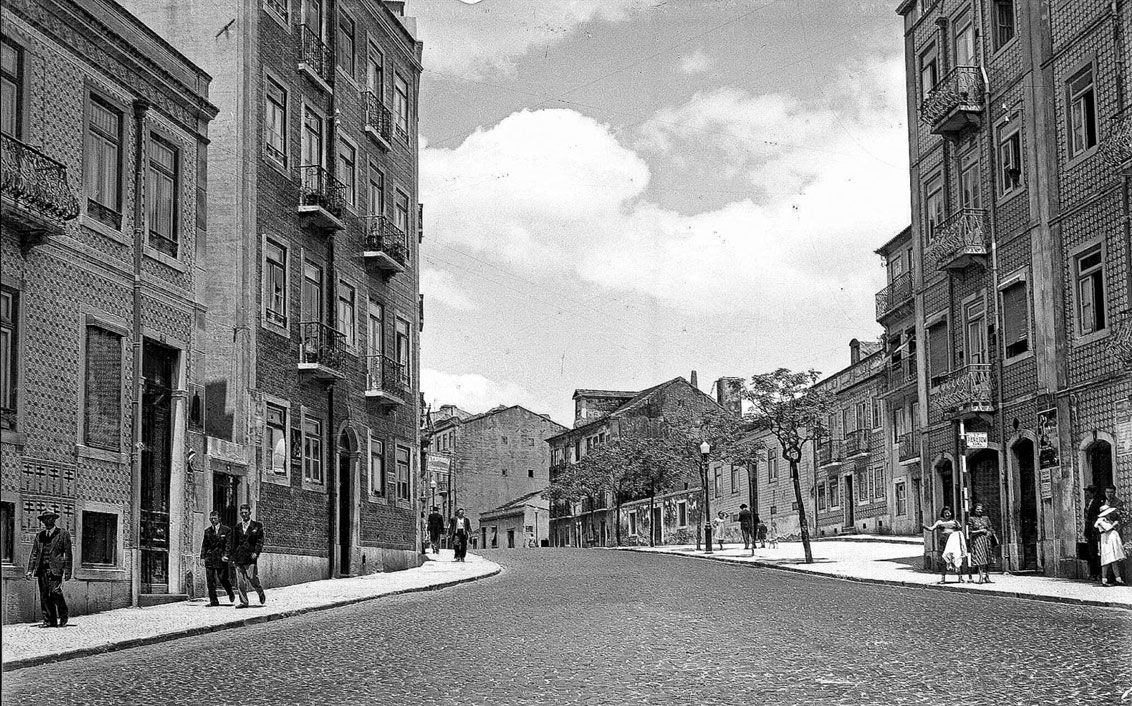
Rua da Penha de França, norte (1952) © Eduardo Portugal, in AML
Rua da Penha de França, norte (1952) © Eduardo Portugal, in AML
Rua da Penha de França, norte (1952) © Eduardo Portugal, in AML
In the mid-18th century, Penha de França was already part of the city of Lisbon, forming its eastern border. Unlike its neighbor Graça, it wasn't defined as a place for poor, hard-working people, with several farms and stately homes appearing here.
The 1755 earthquake destroyed a large part of the built heritage and today, of these noble houses, only the building that houses the Parish Council and the Municipal Library remains. The chapel of Nossa Senhora da Penha was completely ruined.
At the end of the 19th century, with the industrial revolution, workers' villages were built here and streets began to form. Today, the Church of Nossa Senhora da Penha de França stands on the site of the old chapel.
In the mid-18th century, Penha de França was already part of the city of Lisbon, forming its eastern border. Unlike its neighbor Graça, it wasn't defined as a place for poor, hard-working people, with several farms and stately homes appearing here.
The 1755 earthquake destroyed a large part of the built heritage and today, of these noble houses, only the building that houses the Parish Council and the Municipal Library remains. The chapel of Nossa Senhora da Penha was completely ruined.
At the end of the 19th century, with the industrial revolution, workers' villages were built here and streets began to form. Today, the Church of Nossa Senhora da Penha de França stands on the site of the old chapel.
In the mid-18th century, Penha de França was already part of the city of Lisbon, forming its eastern border. Unlike its neighbor Graça, it wasn't defined as a place for poor, hard-working people, with several farms and stately homes appearing here.
The 1755 earthquake destroyed a large part of the built heritage and today, of these noble houses, only the building that houses the Parish Council and the Municipal Library remains. The chapel of Nossa Senhora da Penha was completely ruined.
At the end of the 19th century, with the industrial revolution, workers' villages were built here and streets began to form. Today, the Church of Nossa Senhora da Penha de França stands on the site of the old chapel.
In the mid-18th century, Penha de França was already part of the city of Lisbon, forming its eastern border. Unlike its neighbor Graça, it wasn't defined as a place for poor, hard-working people, with several farms and stately homes appearing here.
The 1755 earthquake destroyed a large part of the built heritage and today, of these noble houses, only the building that houses the Parish Council and the Municipal Library remains. The chapel of Nossa Senhora da Penha was completely ruined.
At the end of the 19th century, with the industrial revolution, workers' villages were built here and streets began to form. Today, the Church of Nossa Senhora da Penha de França stands on the site of the old chapel.
In the mid-18th century, Penha de França was already part of the city of Lisbon, forming its eastern border. Unlike its neighbor Graça, it wasn't defined as a place for poor, hard-working people, with several farms and stately homes appearing here.
The 1755 earthquake destroyed a large part of the built heritage and today, of these noble houses, only the building that houses the Parish Council and the Municipal Library remains. The chapel of Nossa Senhora da Penha was completely ruined.
At the end of the 19th century, with the industrial revolution, workers' villages were built here and streets began to form. Today, the Church of Nossa Senhora da Penha de França stands on the site of the old chapel.
© Casafari
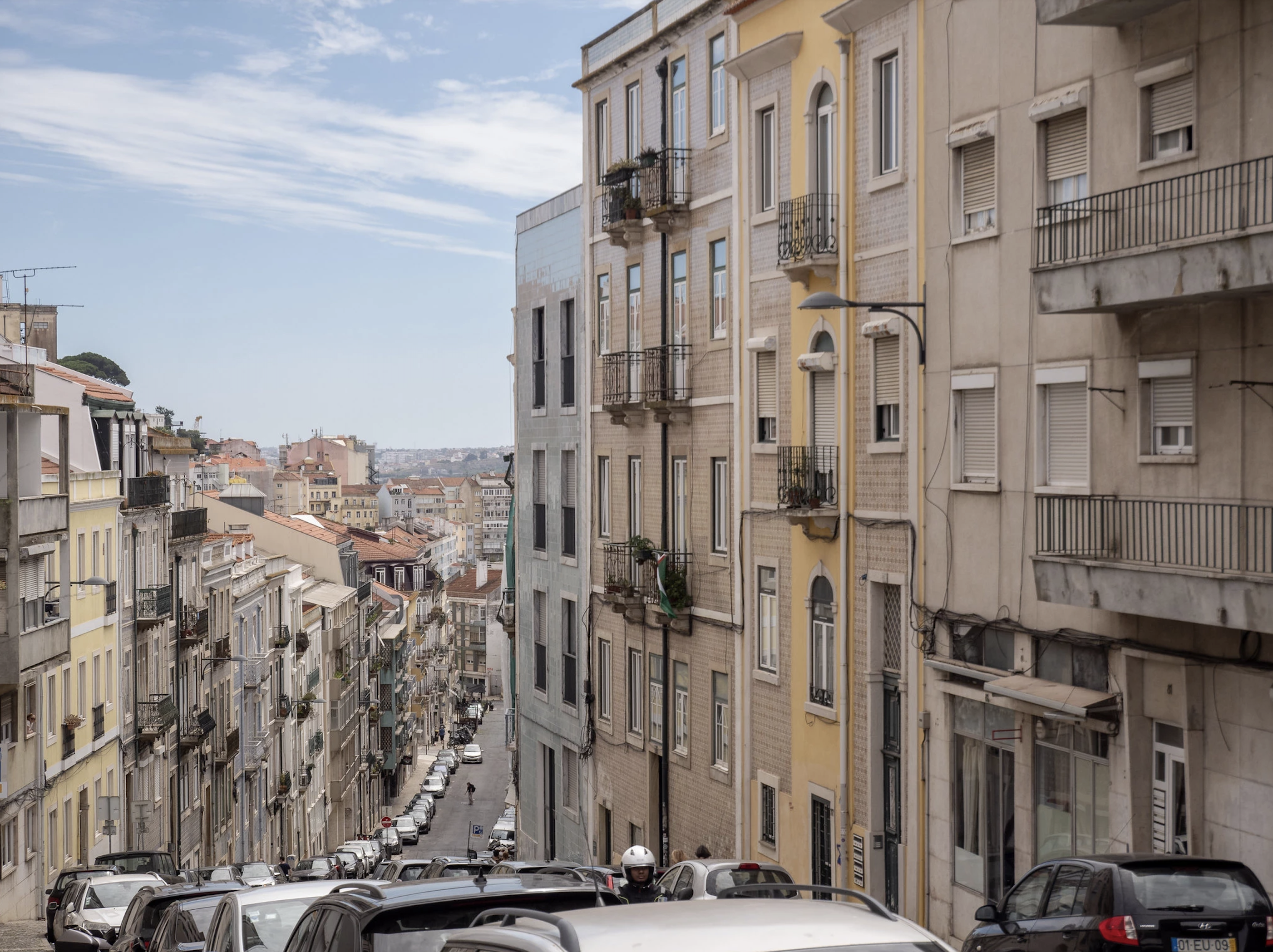
a. Architecture in the Penha de França neighborhood
Penha de França is home to one of the greatest examples of Portuguese Baroque - the Madre de Deus Church. Its beautiful interior, abundantly decorated with sculptures, paintings and blue and white tiles, has attracted the attention of everyone who passes by.
The church of Nossa Senhora da Penha de França, in Mannerist and Baroque style, also deserves a mention.
2- The parish of Penha de França in numbers
|
Penha de França |
|
|
|
|
|
|
|
|
|
|
|
|
|
|
|
|
|
|
|
|
|
|
|
|
|
|
|
|
|
|
* (Population aged 65 or over / Population under 15) * 100
** Price Report August 2025 Idealista
*** Price Report August 2025 Idealista
a. Architecture in the Penha de França neighborhood
Penha de França is home to one of the greatest examples of Portuguese Baroque - the Madre de Deus Church. Its beautiful interior, abundantly decorated with sculptures, paintings and blue and white tiles, has attracted the attention of everyone who passes by.
The church of Nossa Senhora da Penha de França, in Mannerist and Baroque style, also deserves a mention.
2- The parish of Penha de França in numbers
|
Penha de França |
|
|
|
|
|
|
|
|
|
|
|
|
|
|
|
|
|
|
|
|
|
|
|
|
|
|
|
|
|
|
* (Population aged 65 or over / Population under 15) * 100
** Price Report December 2024 Idealist
*** Price Report December 2024 Idealist
a. Architecture in the Penha de França neighborhood
Penha de França is home to one of the greatest examples of Portuguese Baroque - the Madre de Deus Church. Its beautiful interior, abundantly decorated with sculptures, paintings and blue and white tiles, has attracted the attention of everyone who passes by.
The church of Nossa Senhora da Penha de França, in Mannerist and Baroque style, also deserves a mention.
2- The parish of Penha de França in numbers
|
Penha de França |
|
|
|
|
|
|
|
|
|
|
|
|
|
|
|
|
|
|
|
|
|
|
|
|
|
|
|
|
|
|
* (Population aged 65 or over / Population under 15) * 100
** Price Report August 2025 Idealista
*** Price Report August 2025 Idealista
Pastry Shop “A Tentadora” © Universidade Nova de Lisboa
Paragraph
Alfama thus began to lose its importance and, although it wasn't affected by the earthquake, it was left behind.
by the earthquake, it was left abandoned by the central government until the 20th century - being identified
being identified as a dangerous part of the city.
Despite its decadence in the 19th century Alfama saw the emergence of a musical style that is now considered to be an intangible UNESCO intangible heritage - Fado! Born in the streets, bars and prostitution centres of
Alfama, Fado began to be heard at court and gained another kind of prominence.
With the emergence of the fado singer Amália Rodrigues, fado became internationally recognised.
recognised internationally.
Today, Alfama is one of the best known and most visited neighbourhoods in the city. Here
you can feel the neighbourhood life, you can feel the fado, you can feel the essence of Lisbon!
Paragraph
Mosteiro dos Jerónimos © Wikimedia – CC BY-SA 4.0 – Ingo Mehling (Imagem Original)
Church of Our Lady of Penha de França ©Wikimedia - Vitor Oliveira (Original Image)
Madre de Deus Church © National Tile Museum
Stationery Shop “A Concorrente” © Universidade Nova de Lisboa
In Campo de Ourique there is quantity and quality. As you walk around the neighborhood, you'll find all kinds of stores - cafés, pastry stores, restaurants, grocery stores and a variety of stores. It is also home to some of the best schools and colleges in the city, such as the "Liceu Pedro Nunes" and the "Salesianos de Lisboa".
Campo de Ourique is very well located, in the center of the triangle formed by Amoreiras, Estrela and Prazeres. Just an 11-minute walk from Amoreiras Shopping Center and a 15-minute walk from Jardim da Estrela.
The famous streetcar 28, which runs through Lisbon's historic neighborhoods, has its last stop here, next to the Prazeres Cemetery.
Several streetcars and buses pass through the streets of Campo de Ourique throughout the day. In three years' time, the neighborhood will also have a metro station.
Foto: flickr | @abz.rec
3 - Why choose to live in Penha de França?
The Penha de França neighborhood is known for being a safe, quiet and family-friendly place, providing its inhabitants with a peaceful lifestyle.
In addition to many stores and services, the neighborhood has a diversified transport network, including buses and streetcars.
Located on top of one of the seven hills, in this typical Lisbon neighborhood you'll find several viewpoints offering the most magnificent and diverse panoramas.
Living in Penha de França is like living in the suburbs within the city. You'll be just 2.5 km from downtown Lisbon and a 20-minute drive from Humberto Delgado Airport.
3 - Why choose to live in Penha de França?
The Penha de França neighborhood is known for being a safe, quiet and family-friendly place, providing its inhabitants with a peaceful lifestyle.
In addition to many stores and services, the neighborhood has a diversified transport network, including buses and streetcars.
Located on top of one of the seven hills, in this typical Lisbon neighborhood you'll find several viewpoints offering the most magnificent and diverse panoramas.
Living in Penha de França is like living in the suburbs within the city. You'll be just 2.5 km from downtown Lisbon and a 20-minute drive from Humberto Delgado Airport.
@soniabonet
INSERT YOUR TITLE HERE
INSERT YOUR TITLE HERE
@rubenmneves
© Visão
What to see and do in Penha de França?
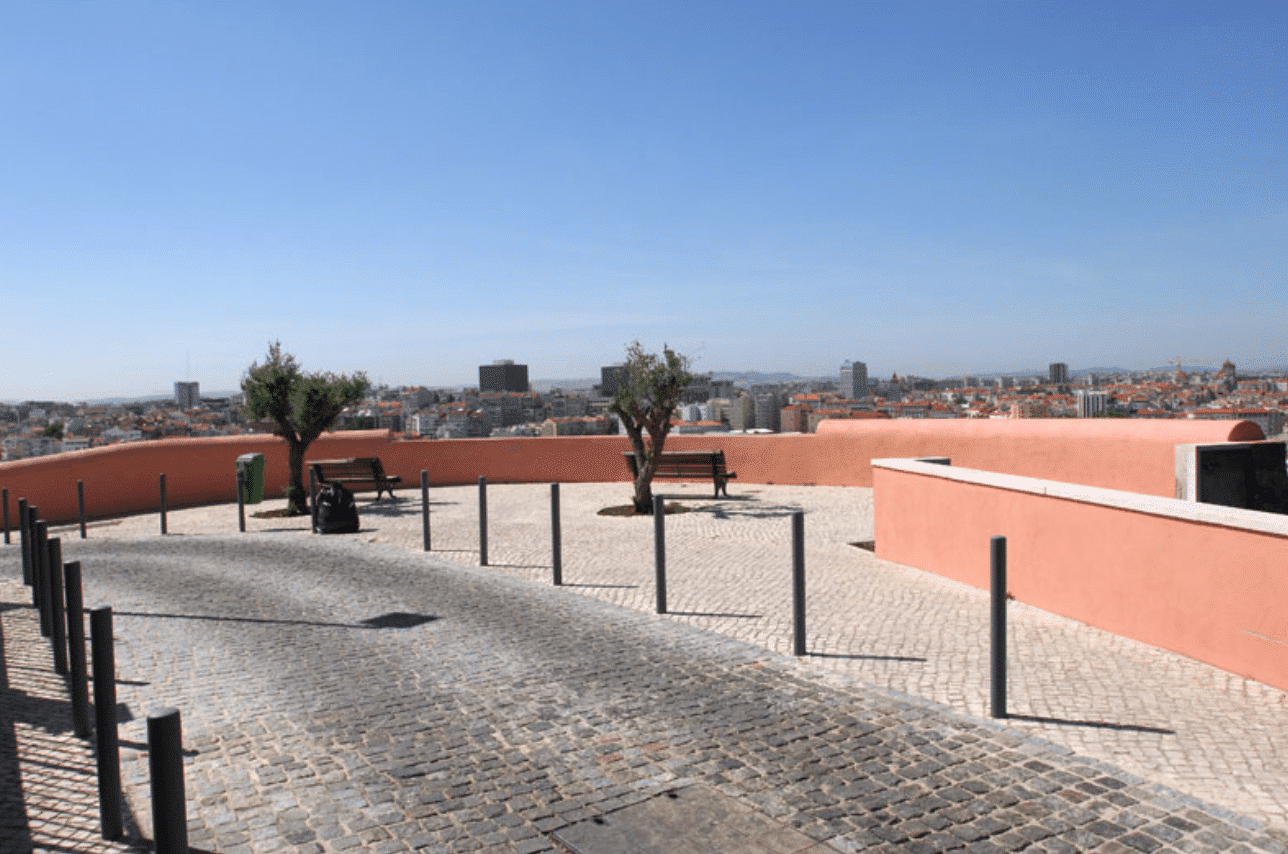
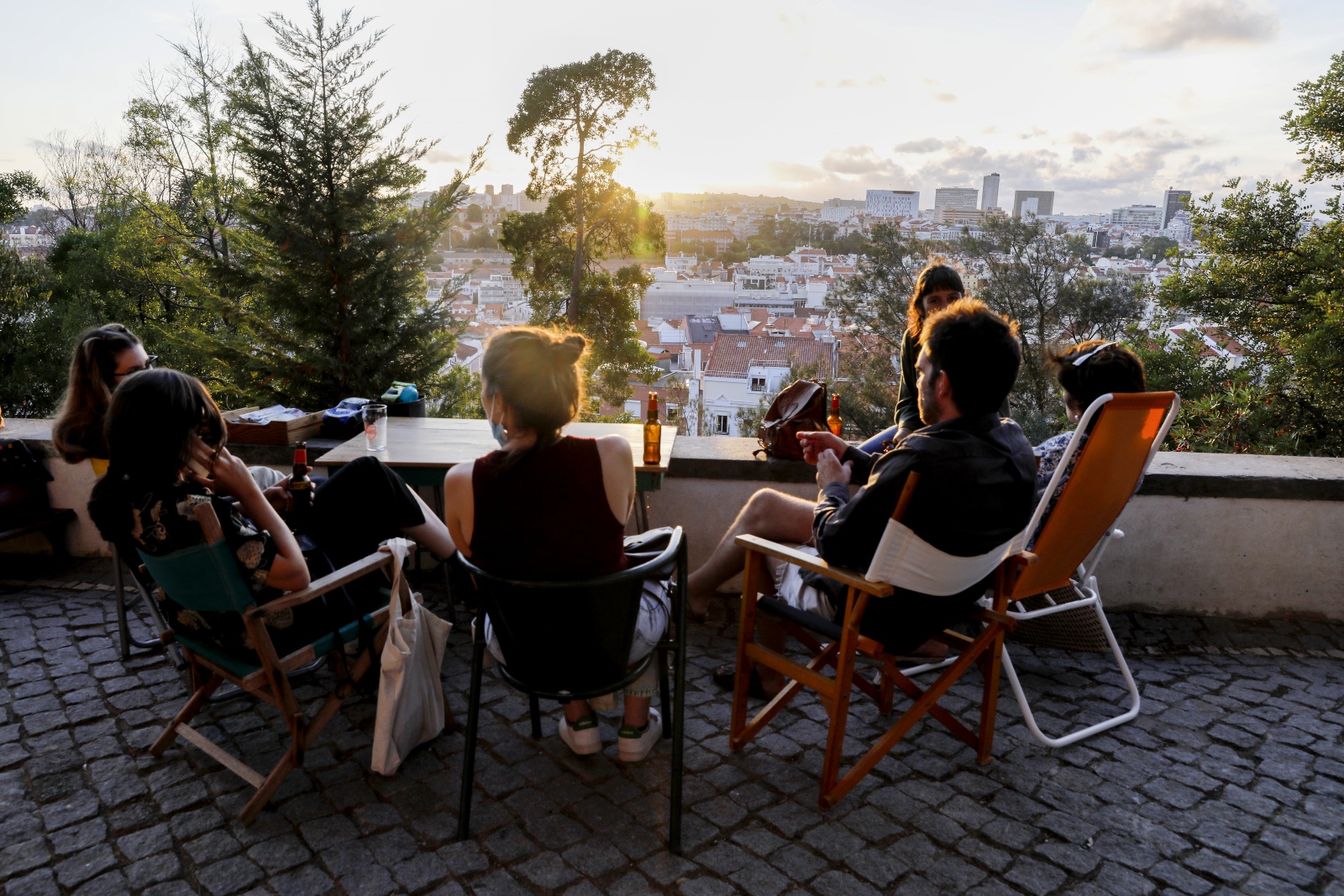
Behind the Church of Nossa Senhora da Penha de França is the Miradouro da Penha de França. This viewpoint is one of the least known in the city and therefore ideal for photography lovers, who can take their photos away from the crowds of the more touristy areas. From here you can see the magnificent panorama over the city's orange rooftops, with the Tagus river on your right and Monsanto on your left.
Penha de França viewpoint
Penha de França viewpoint
©Câmara Municipal de Lisboa - Jardim da Parada
@visitlisboa
©Câmara Municipal de Lisboa
@Câmara Municipal de Lisboa
©Câmara Municipal de Lisboa
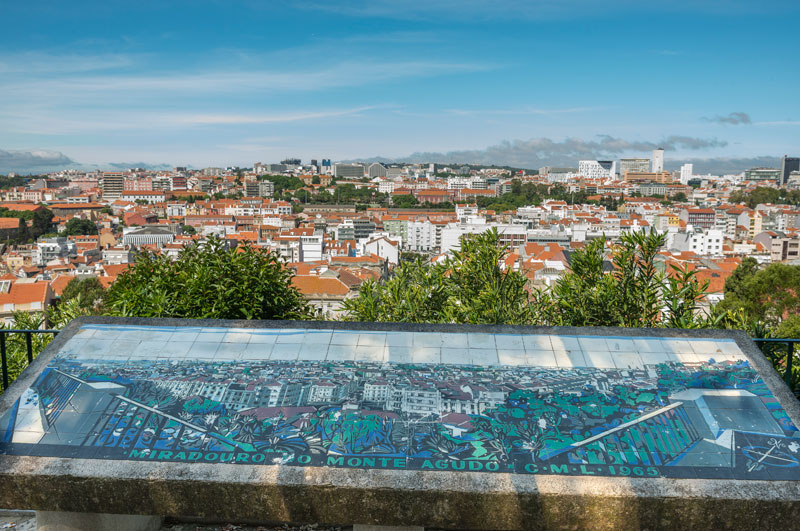
Neighboring the Miradouro da Graça, the Miradouro do Monte Agudo is not only unknown to tourists but also to many locals. The intimate viewpoint offers a fabulous view of the north of the city and the entire western zone. The viewpoint also includes a small pedestrian walkway, a wooded park and a refreshment and magazine kiosk with a terrace. One of Lisbon's best kept secrets!
Neighboring the Miradouro da Graça, the Miradouro do Monte Agudo is not only unknown to tourists but also to many locals. The intimate viewpoint offers a fabulous view of the north of the city and the entire western zone. The viewpoint also includes a small pedestrian walkway, a wooded park and a refreshment and magazine kiosk with a terrace. One of Lisbon's best kept secrets!
Monte Agudo Viewpoint
Monte Agudo Viewpoint
@casafernandopessoa
Amália Rodrigues Garden © Dominique Cappronnier
©Câmara Municipal de Lisboa
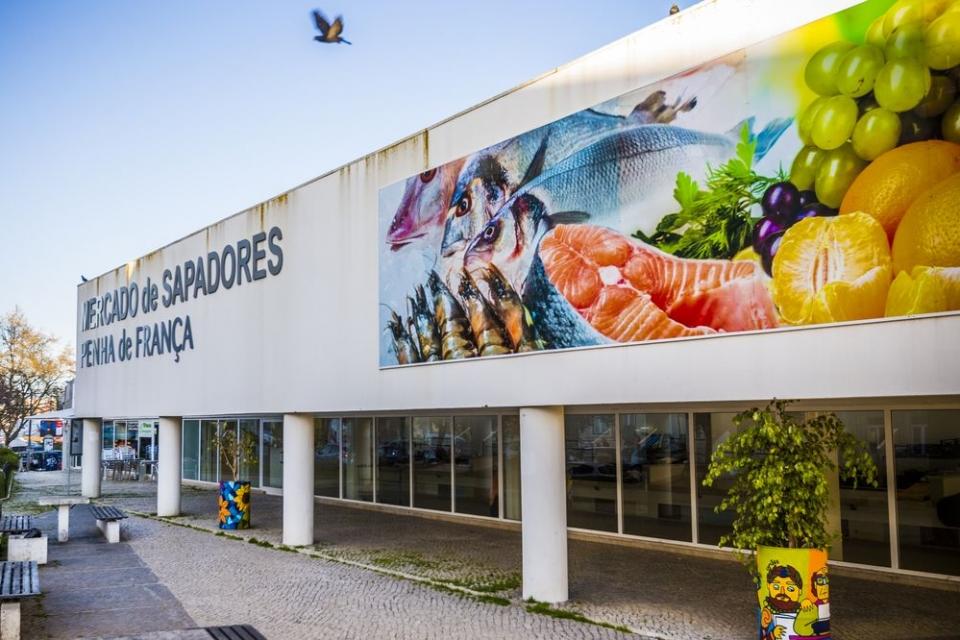
Opened in 1994, this bright and cheerful market has recently been given a new lease of life. The vegetable, fruit and fresh fish stalls have been joined by other businesses, such as a pizzeria, an ice cream parlor and even a tattoo studio! In June, the famous "A minha Penha é Linda" solidarity festival is held here, where you can sample the traditional bifanas and sardines.
Opening hours
Tuesday to Thursday: 08h00 - 23h00
Friday and Saturday: 08h00 - 00h00
Sunday: 08h00 - 23h00
(Closed on Mondays)
Opened in 1994, this bright and cheerful market has recently been given a new lease of life. The vegetable, fruit and fresh fish stalls have been joined by other businesses, such as a pizzeria, an ice cream parlor and even a tattoo studio! In June, the famous "A minha Penha é Linda" solidarity festival is held here, where you can sample the traditional bifanas and sardines.
Opening hours
Tuesday to Thursday: 08h00 - 23h00
Friday and Saturday: 08h00 - 00h00
Sunday: 08h00 - 23h00
(Closed on Mondays)
Opened in 1994, this bright and cheerful market has recently been given a new lease of life. The vegetable, fruit and fresh fish stalls have been joined by other businesses, such as a pizzeria, an ice cream parlor and even a tattoo studio! In June, the famous "A minha Penha é Linda" solidarity festival is held here, where you can sample the traditional bifanas and sardines.
Opening hours
Tuesday to Thursday: 08h00 - 23h00
Friday and Saturday: 08h00 - 00h00
Sunday: 08h00 - 23h00
(Closed on Mondays)
Opened in 1994, this bright and cheerful market has recently been given a new lease of life. The vegetable, fruit and fresh fish stalls have been joined by other businesses, such as a pizzeria, an ice cream parlor and even a tattoo studio! In June, the famous "A minha Penha é Linda" solidarity festival is held here, where you can sample the traditional bifanas and sardines.
Opening hours
Tuesday to Thursday: 08h00 - 23h00
Friday and Saturday: 08h00 - 00h00
Sunday: 08h00 - 23h00
(Closed on Mondays)
Sapadores Market
Sapadores Market
@casafernandopessoa
Amália Rodrigues Garden © Dominique Cappronnier
©Reinaldo Rodrigues/GI
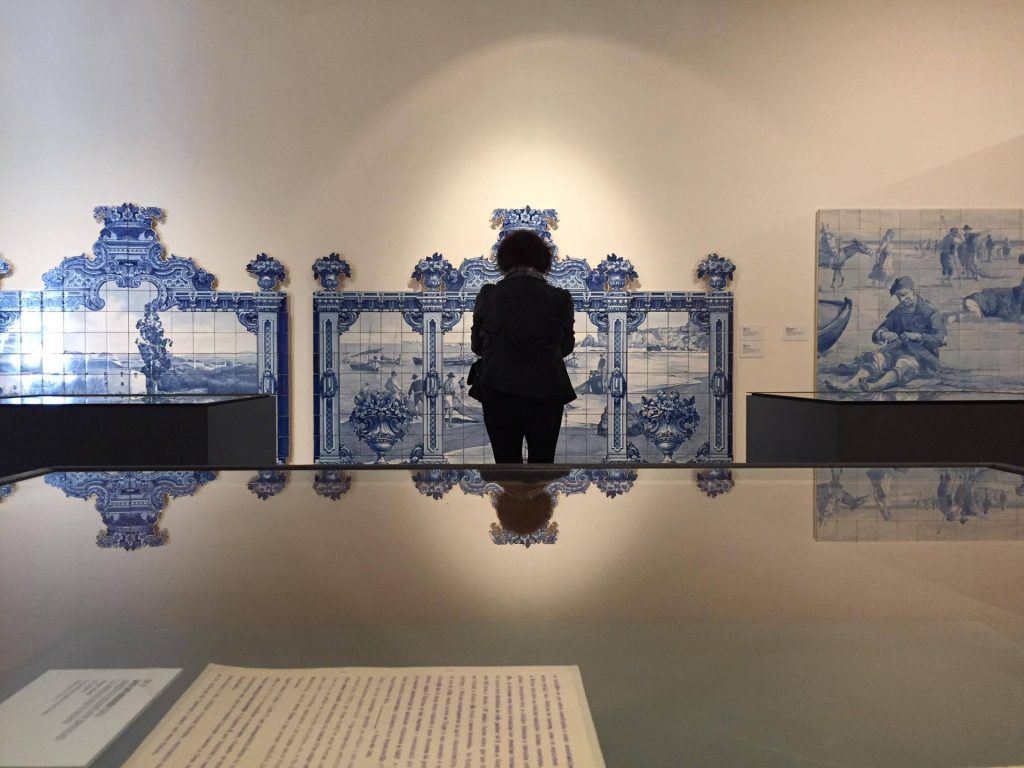
With its unique collection, the National Tile Museum is one of the most important museums in the country. Its permanent exhibition features some of the most significant examples of Portuguese tiles, taking you on a cultural journey from the late 15th century to the present day. The museum is housed in a building classified as a national monument - the former Convent of Madre de Deus, founded in 1509 by Queen Leonor.
Normal ticket price 5€
Opening hours
Tuesday to Sunday: 10h00 - 13h00 / 14h00 - 18h00
(Closed on Mondays)
With its unique collection, the National Tile Museum is one of the most important museums in the country. Its permanent exhibition features some of the most significant examples of Portuguese tiles, taking you on a cultural journey from the late 15th century to the present day. The museum is housed in a building classified as a national monument - the former Convent of Madre de Deus, founded in 1509 by Queen Leonor.
Normal ticket price 5€
Opening hours
Tuesday to Sunday: 10h00 - 13h00 / 14h00 - 18h00
(Closed on Mondays)
With its unique collection, the National Tile Museum is one of the most important museums in the country. Its permanent exhibition features some of the most significant examples of Portuguese tiles, taking you on a cultural journey from the late 15th century to the present day. The museum is housed in a building classified as a national monument - the former Convent of Madre de Deus, founded in 1509 by Queen Leonor.
Normal ticket price 5€
Opening hours
Tuesday to Sunday: 10h00 - 13h00 / 14h00 - 18h00
(Closed on Mondays)
With its unique collection, the National Tile Museum is one of the most important museums in the country. Its permanent exhibition features some of the most significant examples of Portuguese tiles, taking you on a cultural journey from the late 15th century to the present day. The museum is housed in a building classified as a national monument - the former Convent of Madre de Deus, founded in 1509 by Queen Leonor.
Normal ticket price 5€
Opening hours
Tuesday to Sunday: 10h00 - 13h00 / 14h00 - 18h00
(Closed on Mondays)
National Tile Museum
National Tile Museum
@casafernandopessoa
Amália Rodrigues Garden © Dominique Cappronnier
©museunazulejo
Where to eat and drink:
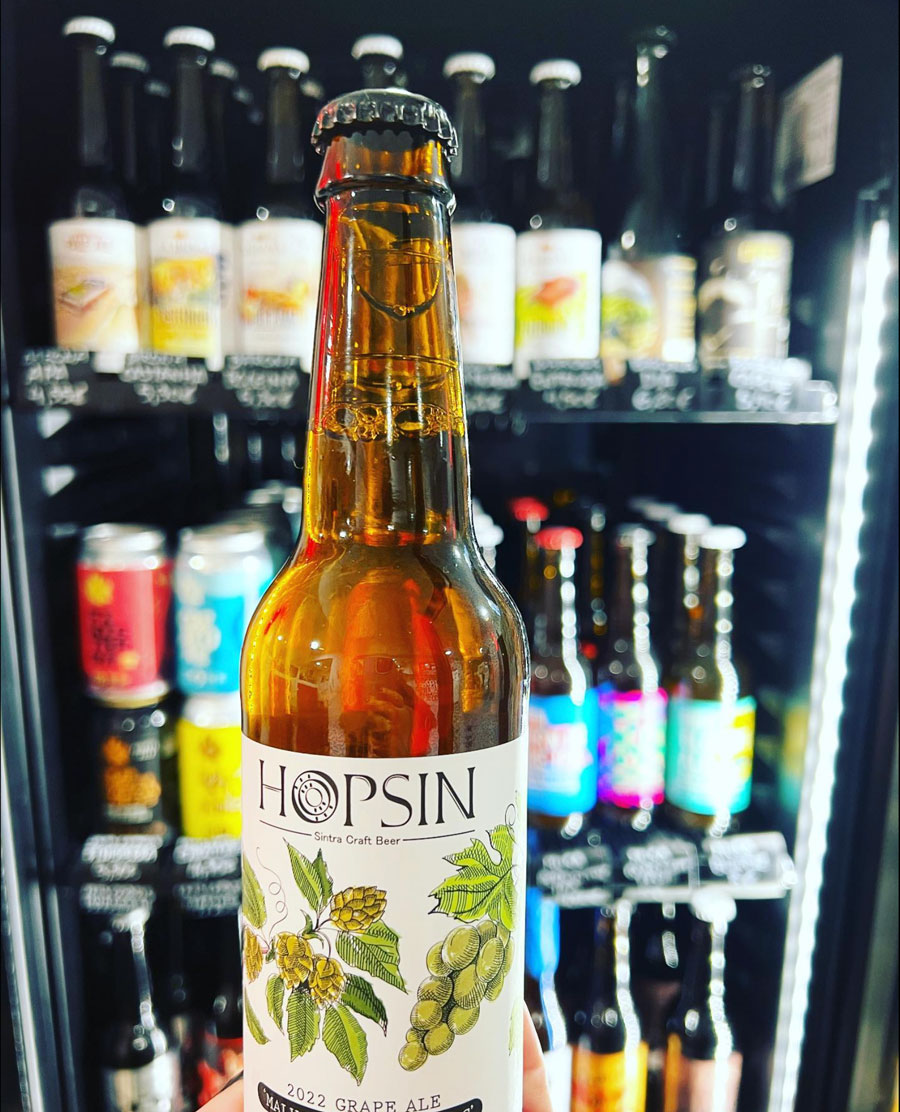
If you're a fan of craft beer, or if you like a good beer with a good snack, Flor de Lúpulo is the place for you! Located on Rua Heróis de Quionga, Flor de Lúpulo is a craft beer bar with a vast catalog of national and international beers. As well as beer in bottles and cans, here you'll find 10 draught beer taps, each with a different type of beer. "Friends, beer and snacks, there's nothing better!"
Opening hours
Monday to Thursday: 16h00 - 22h30
Friday and Saturday: 16h00 - 01h00
(Closed on Sundays)
If you're a fan of craft beer, or if you like a good beer with a good snack, Flor de Lúpulo is the place for you! Located on Rua Heróis de Quionga, Flor de Lúpulo is a craft beer bar with a vast catalog of national and international beers. As well as beer in bottles and cans, here you'll find 10 draught beer taps, each with a different type of beer. "Friends, beer and snacks, there's nothing better!"
Opening hours
Monday to Thursday: 16h00 - 22h30
Friday and Saturday: 16h00 - 01h00
(Closed on Sundays)
Flor de Lúpulo
Flor de Lúpulo
©Flor de Lúpulo
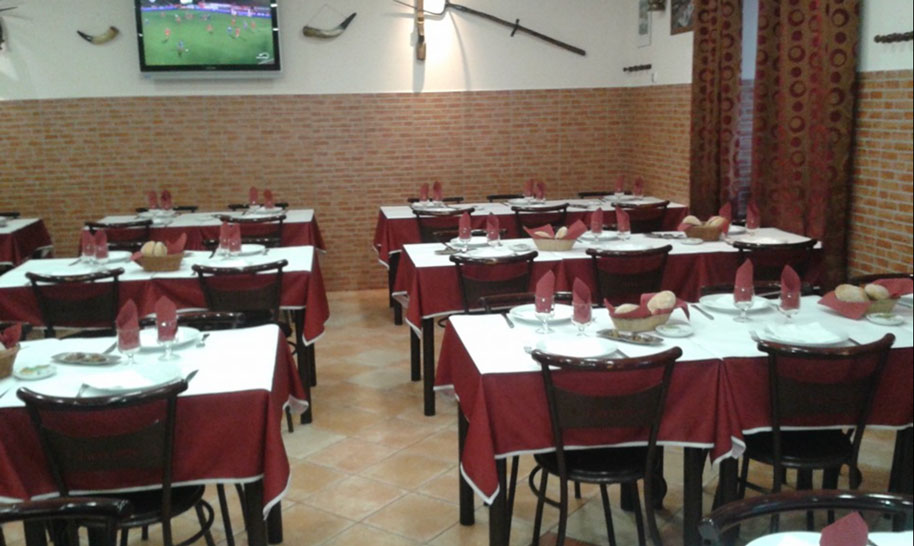
Rui do Barrote is a family-run restaurant specializing in charcoal grills. Among the house specialties are fresh fish, picanha and maminha, and some even say that this is the best grill restaurant in Lisbon! Come and taste home cooking in a traditional and popular atmosphere!
Average price 12€
Opening hours
Monday to Friday: 09h00 - 21h00
Saturday: 09h00 - 18h00
(Closed on Sundays)
Rui do Barrote
Rui do Barrote
©Rui do Barrote
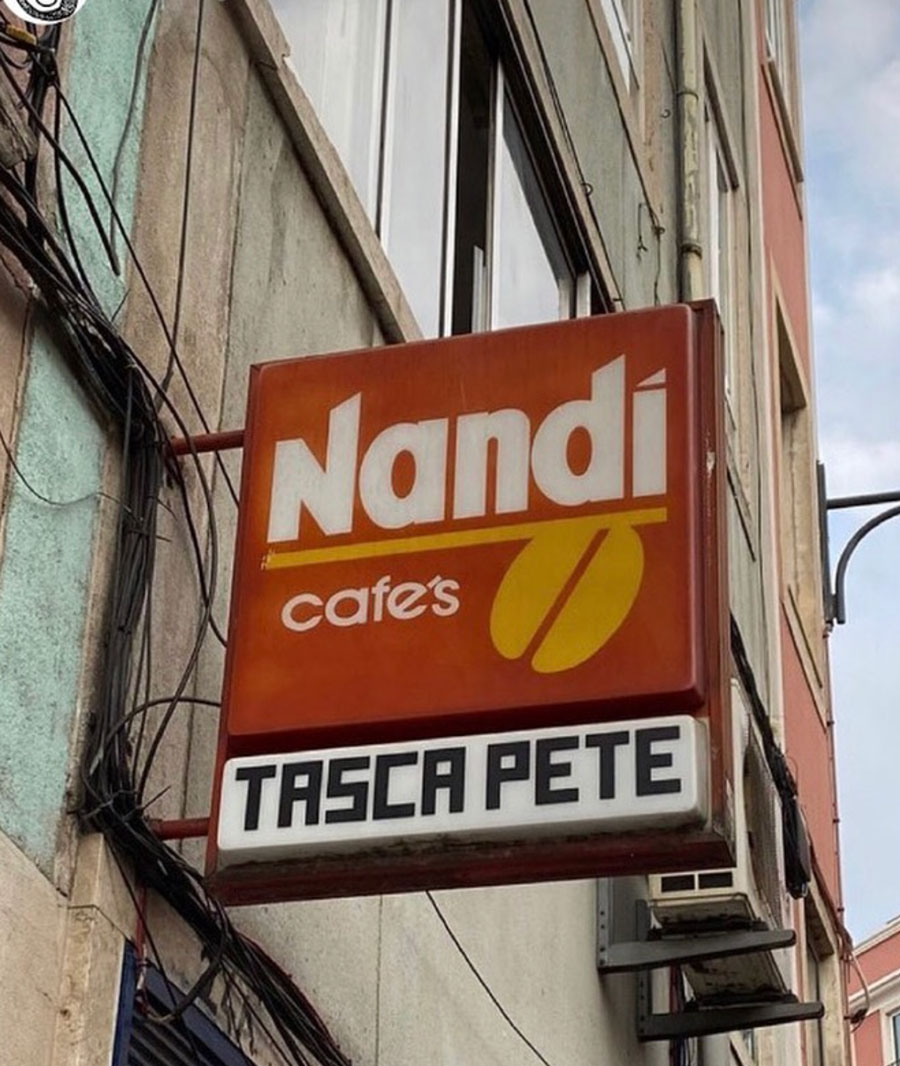
It was on the site of an old neighborhood café that the british Peter Templeton created the new phenomenon of Penha de França - Tasca Pete. Tasca Pete is a small restaurant (where no more than 15 people can fit) with a menu designed for sharing and which has been a huge success in the Penha de França neighborhood. Here, the menu is announced on a piece of paper on the wall, as it would be in a traditional tavern, and among the dishes on offer are focaccia with blue cheese and blueberries (€2.5); potato terrine (€4) and fried chicken with honey, jalapeño and pickles (€6.5). The tavern is only open for dinner, in two shifts, one at 7pm and the other at 9pm.
Opening hours
Wednesday to Saturday: 19h00 - 00h00
(Closed on Mondays and Sundays)
It was on the site of an old neighborhood café that the british Peter Templeton created the new phenomenon of Penha de França - Tasca Pete. Tasca Pete is a small restaurant (where no more than 15 people can fit) with a menu designed for sharing and which has been a huge success in the Penha de França neighborhood. Here, the menu is announced on a piece of paper on the wall, as it would be in a traditional tavern, and among the dishes on offer are focaccia with blue cheese and blueberries (€2.5); potato terrine (€4) and fried chicken with honey, jalapeño and pickles (€6.5). The tavern is only open for dinner, in two shifts, one at 7pm and the other at 9pm.
Opening hours
Wednesday to Saturday: 19h00 - 00h00
(Closed on Mondays and Sundays)
It was on the site of an old neighborhood café that the british Peter Templeton created the new phenomenon of Penha de França - Tasca Pete. Tasca Pete is a small restaurant (where no more than 15 people can fit) with a menu designed for sharing and which has been a huge success in the Penha de França neighborhood. Here, the menu is announced on a piece of paper on the wall, as it would be in a traditional tavern, and among the dishes on offer are focaccia with blue cheese and blueberries (€2.5); potato terrine (€4) and fried chicken with honey, jalapeño and pickles (€6.5). The tavern is only open for dinner, in two shifts, one at 7pm and the other at 9pm.
Opening hours
Wednesday to Saturday: 19h00 - 00h00
(Closed on Mondays and Sundays)
It was on the site of an old neighborhood café that the british Peter Templeton created the new phenomenon of Penha de França - Tasca Pete. Tasca Pete is a small restaurant (where no more than 15 people can fit) with a menu designed for sharing and which has been a huge success in the Penha de França neighborhood. Here, the menu is announced on a piece of paper on the wall, as it would be in a traditional tavern, and among the dishes on offer are focaccia with blue cheese and blueberries (€2.5); potato terrine (€4) and fried chicken with honey, jalapeño and pickles (€6.5). The tavern is only open for dinner, in two shifts, one at 7pm and the other at 9pm.
Opening hours
Wednesday to Saturday: 19h00 - 00h00
(Closed on Mondays and Sundays)
Tasca Pete
Tasca Pete
©Rui do Barrote
Buyer testimonials
Buyer testimonials
“We bought a flat through De Brito Properties several months ago and they have always helped us with the work, the contracts, the procedures (quickly and reliably). They have become our point of reference in Portugal and help us with all our questions. We congratulate ourselves every day for having gone through them for our purchase in Lisbon.”
Isabelle Sebah
“We bought a flat several months ago from De Brito and we were always helped with the works, the electricity, the various stages. It really is the ideal agency for a long-term property transaction!”
Florence Crisanto
"Very good experience. Very professional and reliable agency, and even more so because they helped us every step of the way, a great advantage, especially when you don't speak the language. Thanks to the whole team for their availability and friendliness."
Véronica L.
“My husband and I had great help buying a house in Azeitão. Titti Curtaz was attentive, professional, friendly and truly listened to our needs and concerns as we tried to find the right house for us. She was generous and patient. Our Portuguese is very basic and she graciously helped us translate the information between the seller and us. I highly recommend her and De Brito Properties”
Christina S.
"Professional, serious and attentive team. Very good service and good products. Ideal accompaniment!"
Jean Louis D.
"Quality service that listens to the customer. Thank you very much for helping us with our purchase and installation in Lisbon."
Bernardette Fernandes
See our selection of properties in Penha de França
See our selection of properties for sale in Penha de França
See our selection of properties in Penha de França
See our selection of properties in Penha de França
See our selection of properties for sale in Penha de França
See our selection of properties in Penha de França
We are your "Property Finder"
We are your "Property Finder"
Didn't find the property you're looking for on our website? Leave us your criteria and we will search the market and prepare a selection that suits your request.

