


Lagos
Lagos
A little about the history of Lagos...
1 - A little about Albufeira´s history...
With traces of human occupation dating back to prehistoric times, Albufeira has witnessed the passage of different civilizations and cultures over the years.
During the Roman period, Albufeira was known as Baltum and was an important commercial and agricultural center. The Roman presence left its mark on the region, with ruins and artifacts that can still be found today, such as the Garum Tanks (on Santa Eulália beach).
However, it was during the Moorish occupation that Albufeira truly flourished. Under Muslim rule, the town prospered as a center for trade and fishing, and its strategic location along the coast attracted the attention of traders and navigators. The toponym "Albufeira" comes from the Arabic name "Al-buhera" meaning "castle of the sea".
After the Christian reconquest, Albufeira was integrated into the kingdom of Portugal. Over the following centuries, the city experienced periods of prosperity and decline. In 1755, an earthquake destroyed almost all the buildings and only 27 houses remained standing.
In the 20th century, Albufeira began to transform from a quiet fishing village into a popular tourist destination (sought out mainly by the British). The development of tourism brought a new era of growth and modernization to the town, with the construction of hotels, resorts and tourist infrastructures.
1 - A bit about the history of Lagos...
The city of Lagos is believed to have been founded by King Brigo around 1897 years before the birth of Christ. The name “Lagos” derives from the Celtic term “Lacóbriga”, which means lake, possibly due to the lakes that existed in the region.
These lakes, surrounded by sand dunes, were rich in fish and bivalves, making this an attractive place for various peoples over the centuries. Among the civilizations that have passed through here are the Carthaginians, the Romans and the Muslims, each of whom left their mark on the city and contributed to its cultural and architectural diversity. The latter gave it the name Zawiya (Zawaia).
After the Christian reconquest, Lagos became an important center in the Portuguese Discoveries. It was from its port that many maritime expeditions set out to explore new lands. It was also here that Gil Eanes, the famous Portuguese navigator, was born, known for having rounded Cape Bojador in 1434.
1 - A bit about the history of Lagos...
The city of Lagos is believed to have been founded by King Brigo around 1897 years before the birth of Christ. The name “Lagos” derives from the Celtic term “Lacóbriga”, which means lake, possibly due to the lakes that existed in the region.
These lakes, surrounded by sand dunes, were rich in fish and bivalves, making this an attractive place for various peoples over the centuries. Among the civilizations that have passed through here are the Carthaginians, the Romans and the Muslims, each of whom left their mark on the city and contributed to its cultural and architectural diversity. The latter gave it the name Zawiya (Zawaia).
After the Christian reconquest, Lagos became an important center in the Portuguese Discoveries. It was from its port that many maritime expeditions set out to explore new lands. It was also here that Gil Eanes, the famous Portuguese navigator, was born, known for having rounded Cape Bojador in 1434.
1 - A bit about the history of Lagos...
The city of Lagos is believed to have been founded by King Brigo around 1897 years before the birth of Christ. The name “Lagos” derives from the Celtic term “Lacóbriga”, which means lake, possibly due to the lakes that existed in the region.
These lakes, surrounded by sand dunes, were rich in fish and bivalves, making this an attractive place for various peoples over the centuries. Among the civilizations that have passed through here are the Carthaginians, the Romans and the Muslims, each of whom left their mark on the city and contributed to its cultural and architectural diversity. The latter gave it the name Zawiya (Zawaia).
After the Christian reconquest, Lagos became an important center in the Portuguese Discoveries. It was from its port that many maritime expeditions set out to explore new lands. It was also here that Gil Eanes, the famous Portuguese navigator, was born, known for having rounded Cape Bojador in 1434.
1 - A bit about the history of Lagos...
The city of Lagos is believed to have been founded by King Brigo around 1897 years before the birth of Christ. The name “Lagos” derives from the Celtic term “Lacóbriga”, which means lake, possibly due to the lakes that existed in the region.
These lakes, surrounded by sand dunes, were rich in fish and bivalves, making this an attractive place for various peoples over the centuries. Among the civilizations that have passed through here are the Carthaginians, the Romans and the Muslims, each of whom left their mark on the city and contributed to its cultural and architectural diversity. The latter gave it the name Zawiya (Zawaia).
After the Christian reconquest, Lagos became an important center in the Portuguese Discoveries. It was from its port that many maritime expeditions set out to explore new lands. It was also here that Gil Eanes, the famous Portuguese navigator, was born, known for having rounded Cape Bojador in 1434.
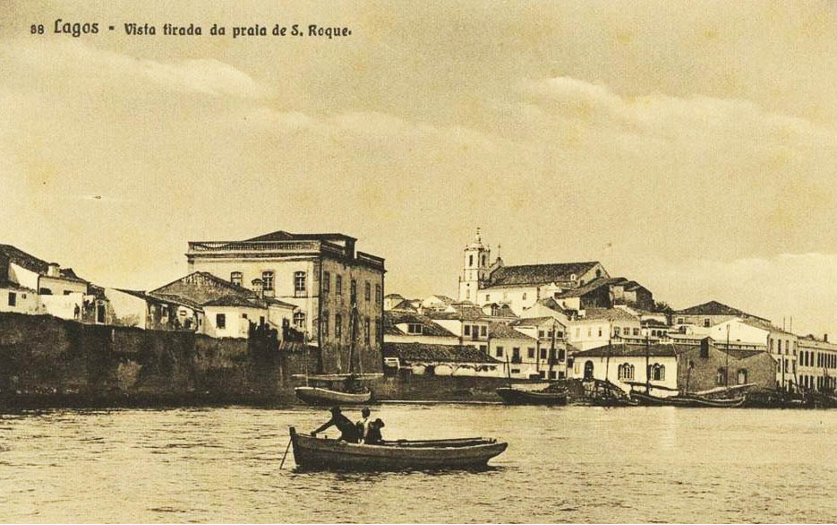
Praia do Peneco (Albufeira): Hotel Sol e Mar, n.d. [196-]; fotografado por A. Pastor (cortesia do Arquivo Municipal de Lisboa/Núcleo Fotográfico, Lisboa).
Lagos in 1867 © Sul Informação
In 1573, Lagos was elevated to city status by order of King Sebastião and became the capital of the Kingdom of the Algarve. However, the earthquake of 1755, and the tsunami that followed, caused significant destruction to the city, and in the following years, Lagos faced periods of decay and misery.
In the 19th century, the city began to recover with the development of the canning industry. Fishing, especially for tuna and sardines, became an important economic activity, with products being exported to various parts of the world.
In the 1960s, tourism began to replace industrial activities, turning Lagos into one of the Algarve's most popular tourist destinations.
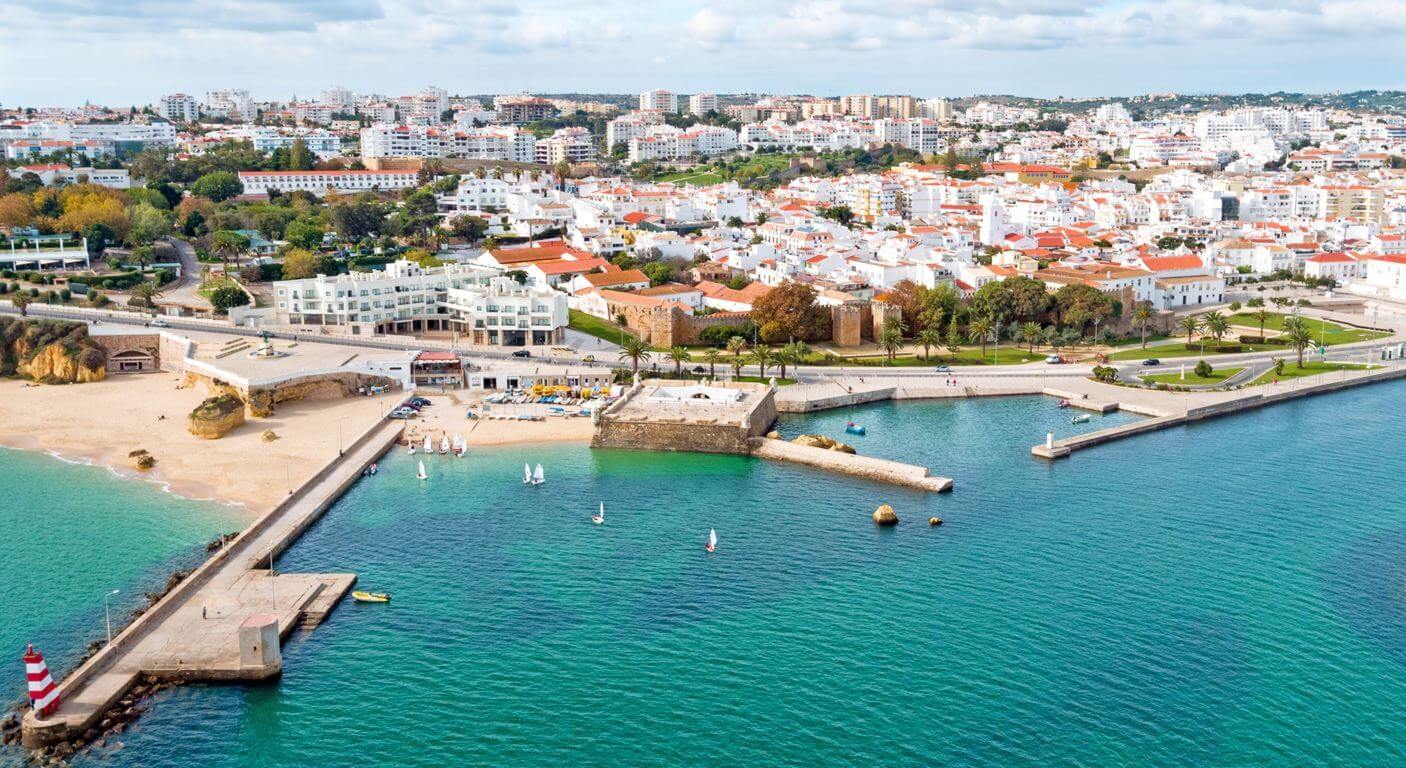
Today, Lagos is known for its beautiful beaches, cultural heritage and vibrant nightlife. The historic city center is almost entirely pedestrianized, offering a wide range of shops, restaurants, bars and cafés.
Pastry Shop “A Tentadora” © Universidade Nova de Lisboa
Igreja de São Pedro do Mar © Estações Náuticas Portugal
Igreja de São Pedro do Mar © Estações Náuticas Portugal
Igreja de São Pedro do Mar © Estações Náuticas Portugal
© Algarve Tips
a. Architecture in Lagos
The architecture of Lagos is marked by a mixture of styles ranging from Manueline and Baroque to contemporary.
The city has a well-preserved historic center, where the medieval walls and the Castelo dos Governadores stand out, monuments of imposing architecture that tell the rich and fascinating history of Lagos.
Lagos also embraces modernity with contemporary architectural designs that blend harmoniously into the urban landscape. Houses with modern lines and large terraces make the most of the natural light and stunning sea views.
Stationery Shop “A Concorrente” © Universidade Nova de Lisboa
Governors' Castle © Viajar entre Viagens
Lagos Municipal Market © VagaMundos
Church of Santo António © VagaMundos
2 - The parish of São Gonçalo de Lagos in numbers
|
|
|
|
|
|
|
|
|
|
23 648 |
|
|
|
|
|
|
|
|
|
|
|
|
|
|
|
|
|
|
|
|
|
* (Population aged 65 or over / Population under 15) * 100
** Price Report December 2024 Idealist
*** Price Report December 2024 Idealist
Pastry Shop “A Tentadora” © Universidade Nova de Lisboa
Igreja de São Pedro do Mar © Estações Náuticas Portugal
Igreja de São Pedro do Mar © Estações Náuticas Portugal
Igreja de São Pedro do Mar © Estações Náuticas Portugal
© BELMAR Spa & Beach Resort
3 - Why choose to live in Lagos?
The city of Lagos is famous for its dream beaches, with crystal-clear waters, golden sands, impressive cliffs and secret caves waiting to be explored.
Among the most popular are Praia da Dona Ana, Praia do Camilo, Praia dos Estudantes and the famous Ponta da Piedade.
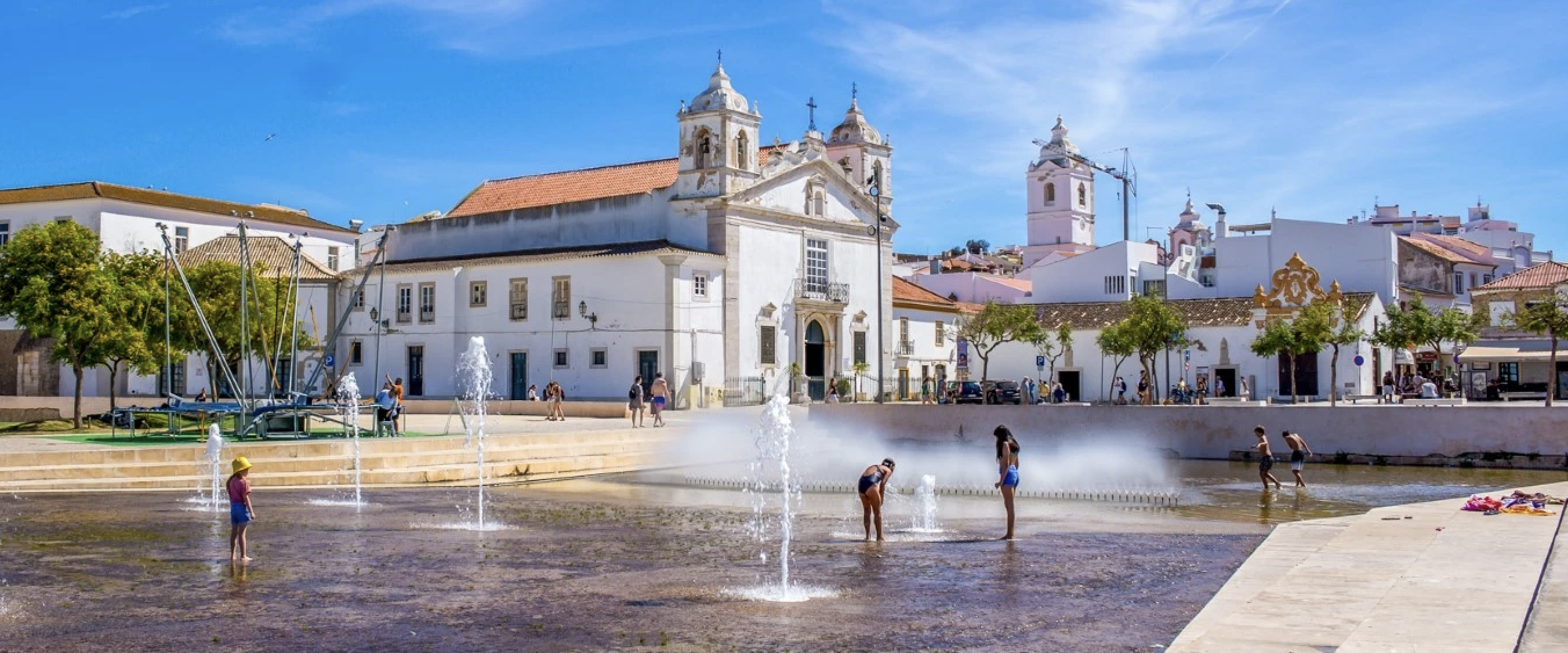
The old town of Lagos is a magnificent maze of cobbled streets, full of traditional houses and historical monuments. The city's maritime history is fascinating, with sites such as the Ponta da Bandeira Fort and the Slave Market telling stories of the Portuguese Discoveries.
In addition, Lagos offers all kinds of services, such as schools, hospitals, shopping centers and supermarkets. Leisure options are also varied: in addition to water sports and boat trips, you can also visit a zoo and an adventure park.
Lagos is well connected, served by a network of modern roads, and only an hour from Faro International Airport.
Stationery Shop “A Concorrente” © Universidade Nova de Lisboa
© WalkAlgarve
What to see and do in Lagos?
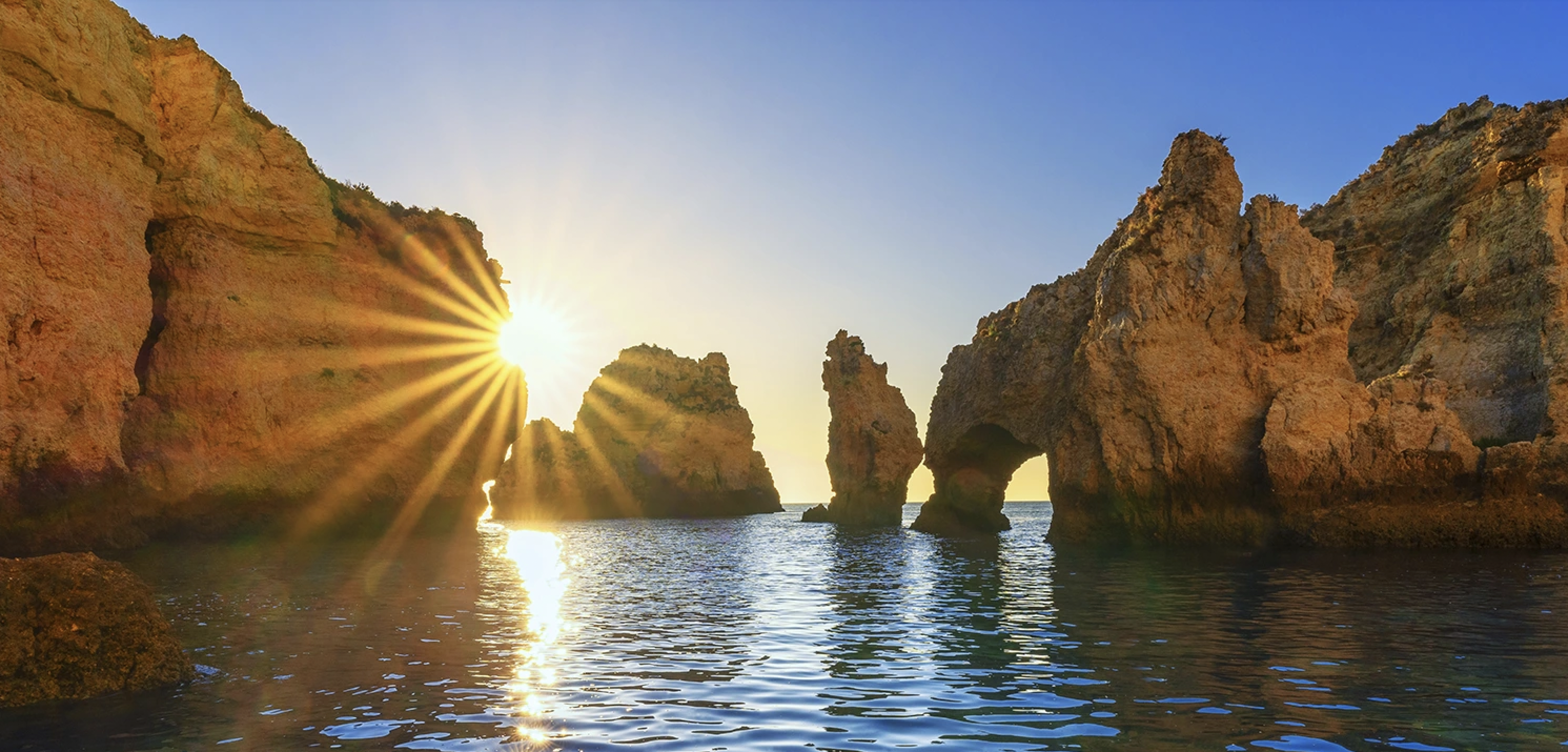
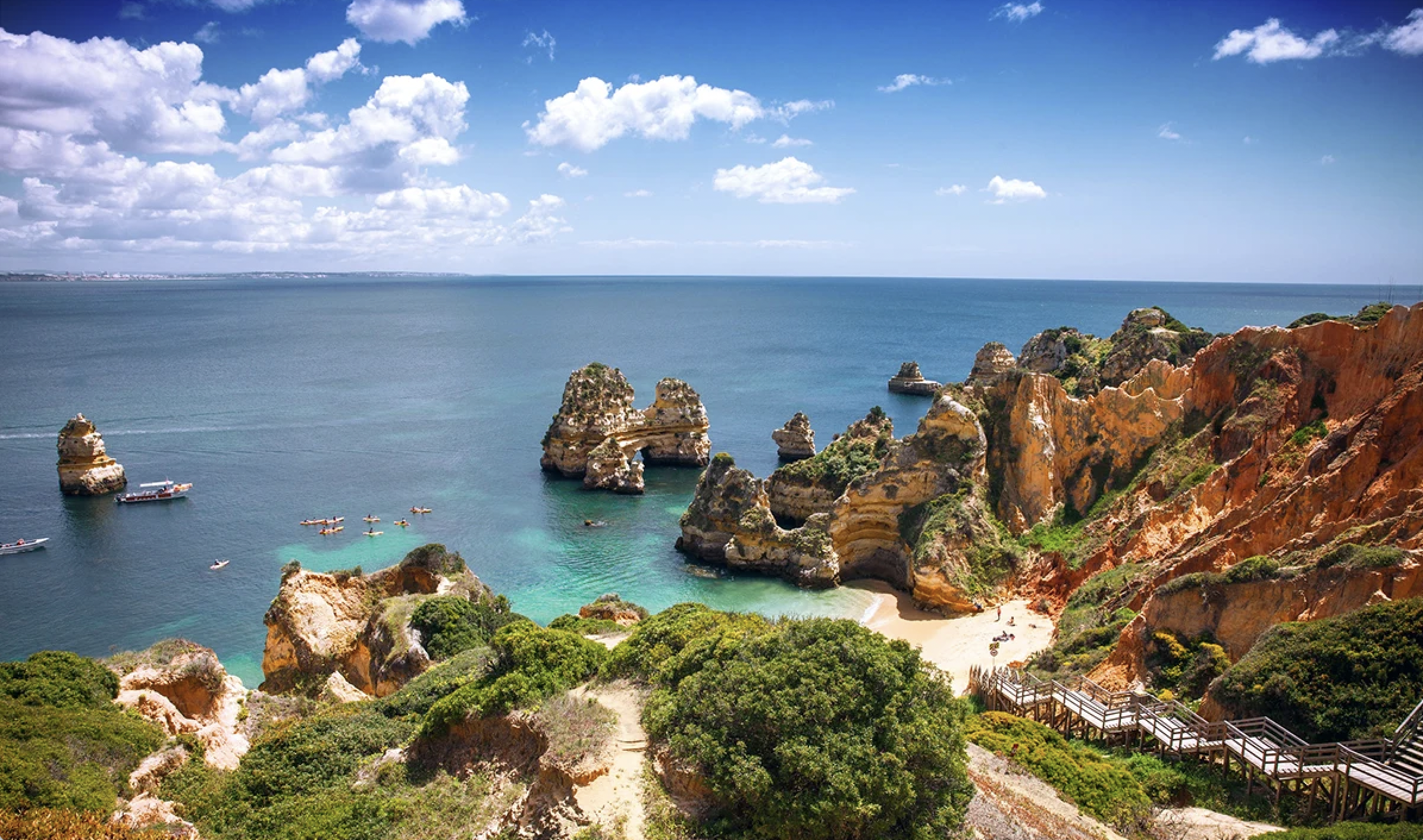
Ponta da Piedade is one of the most iconic places in Lagos (and the entire Algarve), known for its secret caves and impressive rock formations. Sculpted by the winds and the sea over the centuries, these are true natural wonders. Some have even been named after their shapes, such as the “Elephant” or the “Submarine”. An experience not to be missed are the boat, kayak or stand-up paddle tours through the caves, from where you can admire this natural landscape up close. Tip: Climb to the top of the cliffs to admire the views from above, and take the opportunity to capture the moment with a photograph - this is one of the most Instagrammable scenes in Lagos!
Ponta da Piedade
Ponta da Piedade
©Câmara Municipal de Lisboa - Jardim da Parada
© WalkAlgarve
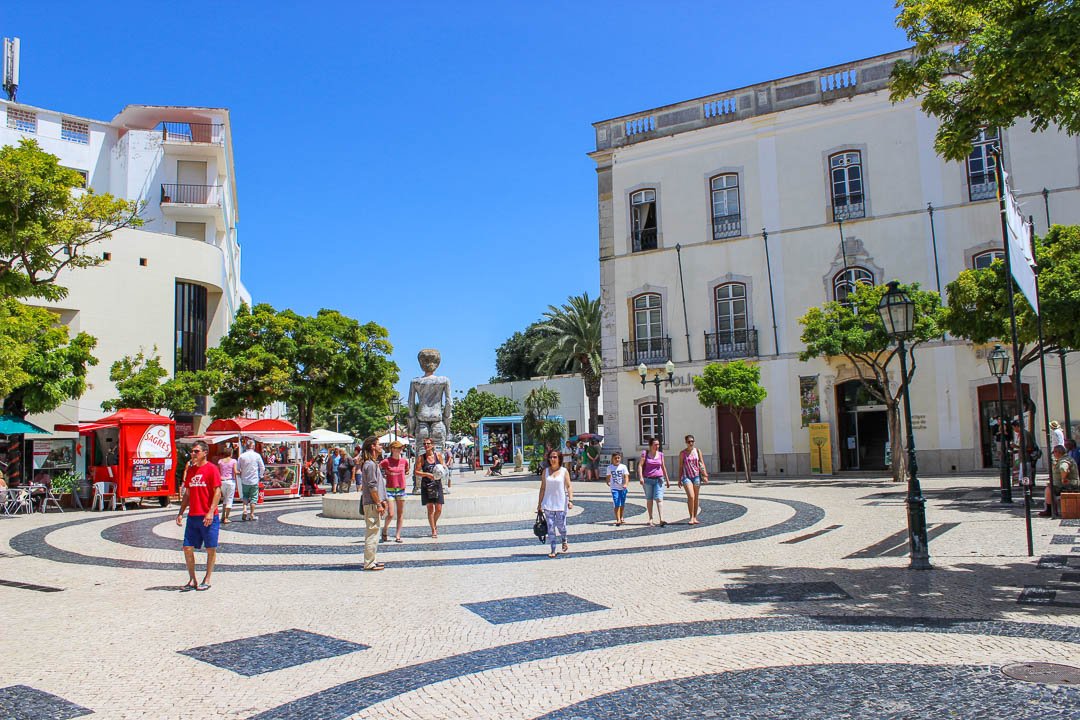
The historic center of Lagos is a maze of narrow cobbled streets full of charm and history. Some say that strolling around here is like stepping back in time, into the memories of the city. Among the most notable sights are the Church of Santo António, famous for its interior richly decorated with gilded woodwork, and the Slave Market, a historic building that bears witness to the beginning of the African slave trade in Europe. In addition, the Walls of Lagos, which once protected the city, can still be seen in various parts.
Historic Center
Historic Center
©Câmara Municipal de Lisboa - Jardim da Parada
© VagaMundos
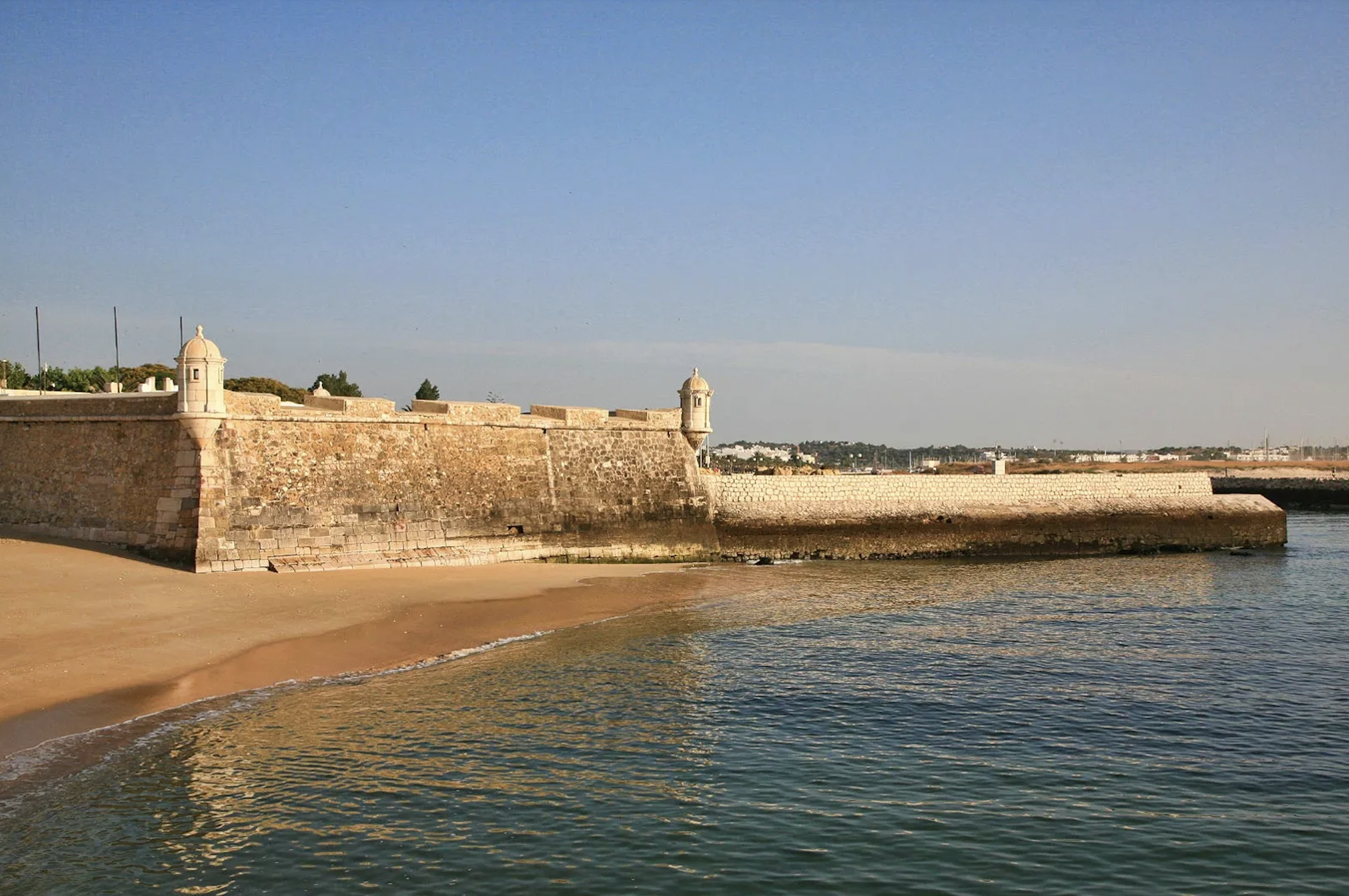
Built in the 17th century, the Ponta da Bandeira Fort is a well-preserved maritime fortification, considered one of the finest examples in the whole of the Algarve. The fort was built to protect the city against attacks from the sea, offering a fascinating insight into Lagos' military history. Inside, you'll find a small chapel dedicated to Santa Bárbara, decorated with 17th-century tiles, as well as artistic exhibition rooms. In addition to its historical importance, the fort offers magnificent views of the city and the ocean. Fun fact: Did you know that this space is used for the celebrations of one of Lagos' most traditional festivals, Banho 29? That's right, on August 29 the population gathers for a dip in the sea ... at midnight!
Normal ticket price 2€
Opening hours
10h00 - 13h00 / 14h00 - 18h00 (Closed on Mondays)
Forte da Ponta da Bandeira
Forte da Ponta da Bandeira
©Câmara Municipal de Lisboa - Jardim da Parada
© Portugal Travel Guide

Lagos Zoo is home to more than 150 species of animals from all over the world, in naturalistic habitats. It's a great place for family fun, with attractions and activities to entertain kids and adults alike! Among them are the “Tunnel of Flight”, a 60-meter-long space that allows visitors to observe exotic birds in flight; the “Penguin Beach”, where you can swim side by side with African penguins; and the “Feeding of the Animals”, a unique moment when you can closely follow the mealtimes of some of the species that live here - pelicans, otters, primates, penguins and lemurs! In addition, Lagos Zoo has a rich botanical diversity, with more than 200 species of plants.
Regular ticket price: Adult 19€ / Child 14€
Opening hours
From 10 a.m. to 7 p.m.
Lagos Zoo
Lagos Zoo
©Câmara Municipal de Lisboa - Jardim da Parada
© Zoo de Lagos
Where to eat and drink:
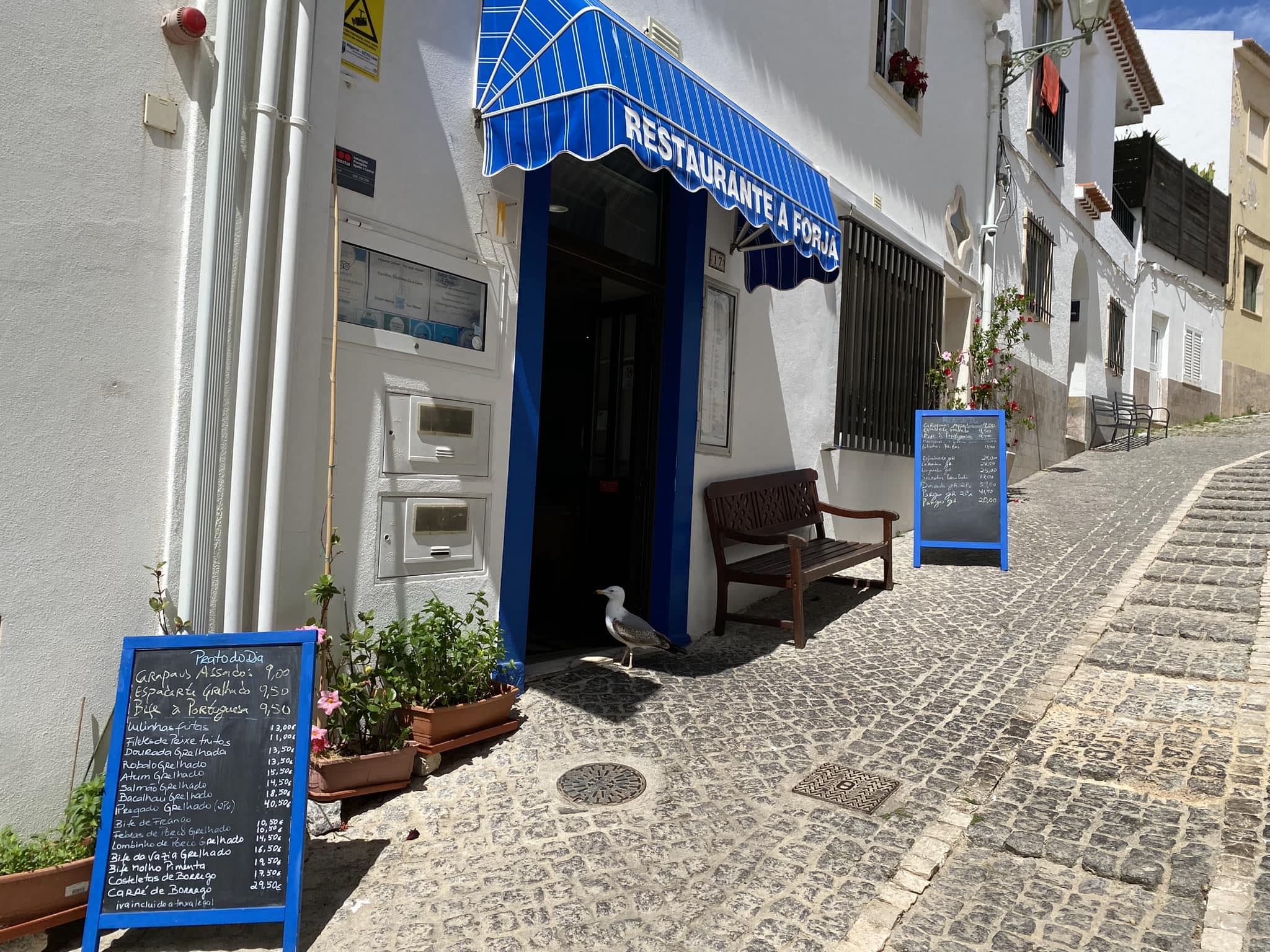
Located in the heart of the historic center of Lagos, the Adega Típica A Forja Restaurant is a must-visit destination for those wishing to experience authentic Portuguese cuisine. This family-run restaurant is known for its cozy atmosphere and the exceptional quality of its dishes, prepared with fresh ingredients selected directly from the local fish market. Among the house specialties are grilled tuna and sea bream, grilled sardines and fried fish, all prepared with a homemade touch reminiscent of our grandmothers' recipes!
Average price 20€
Opening hours
12h00 - 15h00 / 18h30 - 22h00 (Closed on Saturdays)
Adega Típica A Forja
Adega Típica A Forja
© Adega Típica A Forja
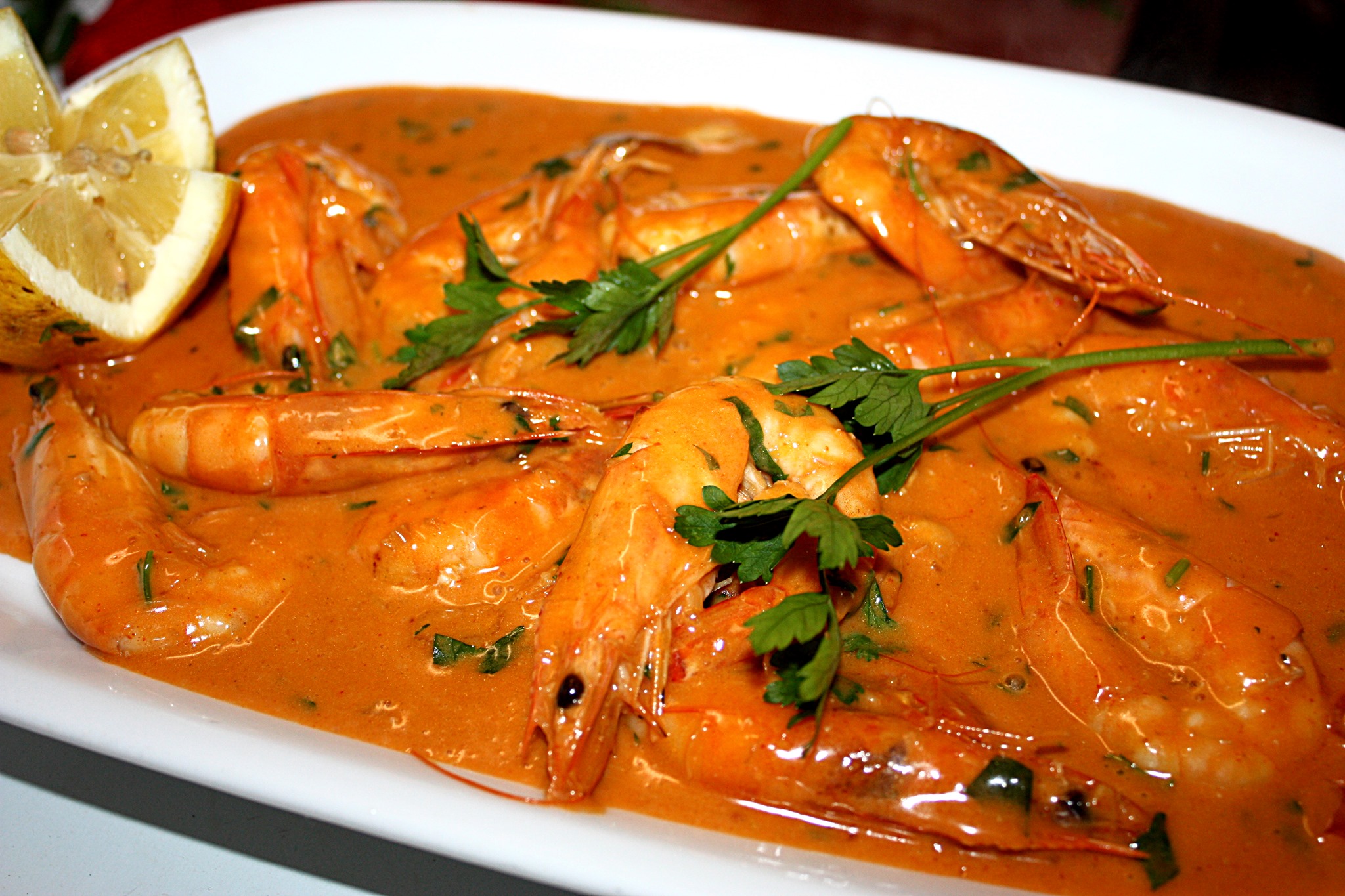
Some say that a visit to Lagos must include a stop at Casinha do Petisco! This is a family-run restaurant with a special focus on seafood, and its little treasure is the Cataplana (which can be shrimp, clams or “à casinha”). The truth is that those who have tried it say it's “to eat and cry for more” - a true culinary masterpiece! Due to its popularity, it is advisable to book in advance, especially during the high season.
Average price 25€
Opening hours
From 17:30 to 23:00
Casinha do Petisco
Casinha do Petisco
© Casinha do Petisco
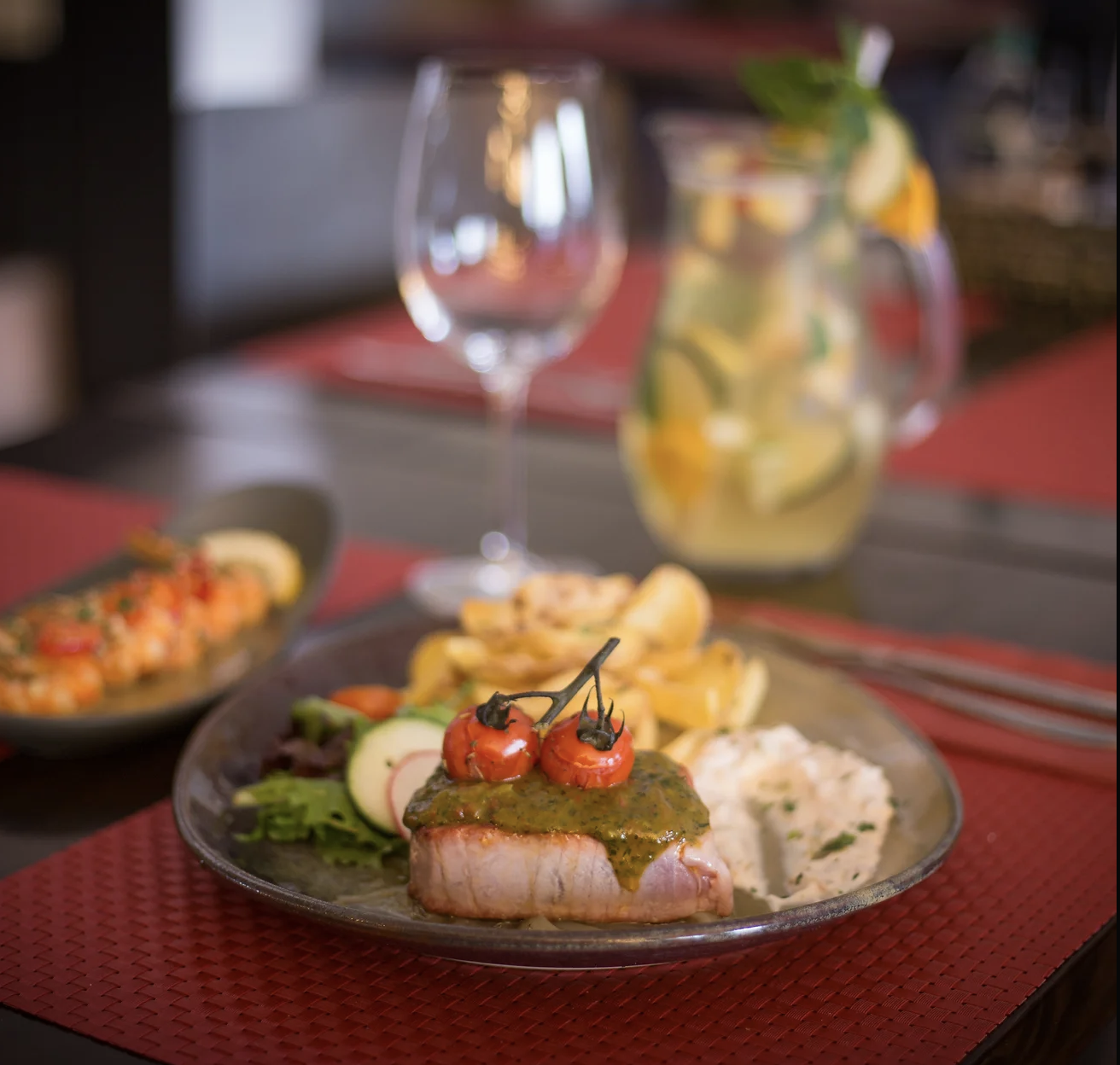
Casa do Prego is a contemporary tapas restaurant located in the historic center of Lagos. As the name suggests, the star here is the traditional prego served on bread, which in this snack bar gets one (or 4) twist(s)! On the menu you'll find the Prego do Mar (with braised tuna steak); the Prego da Quinta (with grilled chicken breast); the Prego Selvagem (with grilled black pork tenderloin), and even the Prego do Jardim (vegetarian). What's more, there's no shortage of delicious Portuguese snacks: cheeses, ham, pica pau, black pork cheeks and much more!
Average price 20€
Opening hours
From 13h00 to 22h30
Casa do Prego
Casa do Prego
© Casa do Prego
Buyer testimonials
Buyer testimonials
“We bought a flat through De Brito Properties several months ago and they have always helped us with the work, the contracts, the procedures (quickly and reliably). They have become our point of reference in Portugal and help us with all our questions. We congratulate ourselves every day for having gone through them for our purchase in Lisbon.”
Isabelle Sebah
“We bought a flat several months ago from De Brito and we were always helped with the works, the electricity, the various stages. It really is the ideal agency for a long-term property transaction!”
Florence Crisanto
"Very good experience. Very professional and reliable agency, and even more so because they helped us every step of the way, a great advantage, especially when you don't speak the language. Thanks to the whole team for their availability and friendliness."
Véronica L.
“My husband and I had great help buying a house in Azeitão. Titti Curtaz was attentive, professional, friendly and truly listened to our needs and concerns as we tried to find the right house for us. She was generous and patient. Our Portuguese is very basic and she graciously helped us translate the information between the seller and us. I highly recommend her and De Brito Properties”
Christina S.
"Professional, serious and attentive team. Very good service and good products. Ideal accompaniment!"
Jean Louis D.
"Quality service that listens to the customer. Thank you very much for helping us with our purchase and installation in Lisbon."
Bernardette Fernandes
See our selection of properties in Lagos
See our selection of properties in Lagos
We are your "Property Finder"
We are your "Property Finder"
Didn't find the property you're looking for on our website? Leave us your criteria and we will search the market and prepare a selection that suits your request.

