


Belém
Belém
A little about the history of Belém...
1 - A bit about the history of the Belém neighborhood...
The Belém neighborhood grew out of the village of Restelo, a town known for its beach with calm and safe waters.
A place where ships docked in the 15th century, it was from here that the famous ships and caravels used during the era of the Portuguese Discoveries departed, and it is considered the neighborhood that most represents this era.
Among the Great Navigations that began here were the expedition to conquer Ceuta (1415); the expedition of Vasco da Gama (1498), who discovered the way to India; and the expedition to discover Brazil by Pedro Álvares Cabral in 1500.
Located in the area was a small chapel dedicated to Nossa Senhora da Estrela. It was believed that the virgin protected the brave navigators.
The commercial development of the port and the beauty of the region's coastal landscape led some noble families to build their summer palaces here.
1 - A bit about the history of the Belém neighborhood...
The Belém neighborhood grew out of the village of Restelo, a town known for its beach with calm and safe waters.
A place where ships docked in the 15th century, it was from here that the famous ships and caravels used during the era of the Portuguese Discoveries departed, and it is considered the neighborhood that most represents this era.
Among the Great Navigations that began here were the expedition to conquer Ceuta (1415); the expedition of Vasco da Gama (1498), who discovered the way to India; and the expedition to discover Brazil by Pedro Álvares Cabral in 1500.
Located in the area was a small chapel dedicated to Nossa Senhora da Estrela. It was believed that the virgin protected the brave navigators.
The commercial development of the port and the beauty of the region's coastal landscape led some noble families to build their summer palaces here.
1 - A bit about the history of the Belém neighborhood...
The Belém neighborhood grew out of the village of Restelo, a town known for its beach with calm and safe waters.
A place where ships docked in the 15th century, it was from here that the famous ships and caravels used during the era of the Portuguese Discoveries departed, and it is considered the neighborhood that most represents this era.
Among the Great Navigations that began here were the expedition to conquer Ceuta (1415); the expedition of Vasco da Gama (1498), who discovered the way to India; and the expedition to discover Brazil by Pedro Álvares Cabral in 1500.
Located in the area was a small chapel dedicated to Nossa Senhora da Estrela. It was believed that the virgin protected the brave navigators.
The commercial development of the port and the beauty of the region's coastal landscape led some noble families to build their summer palaces here.
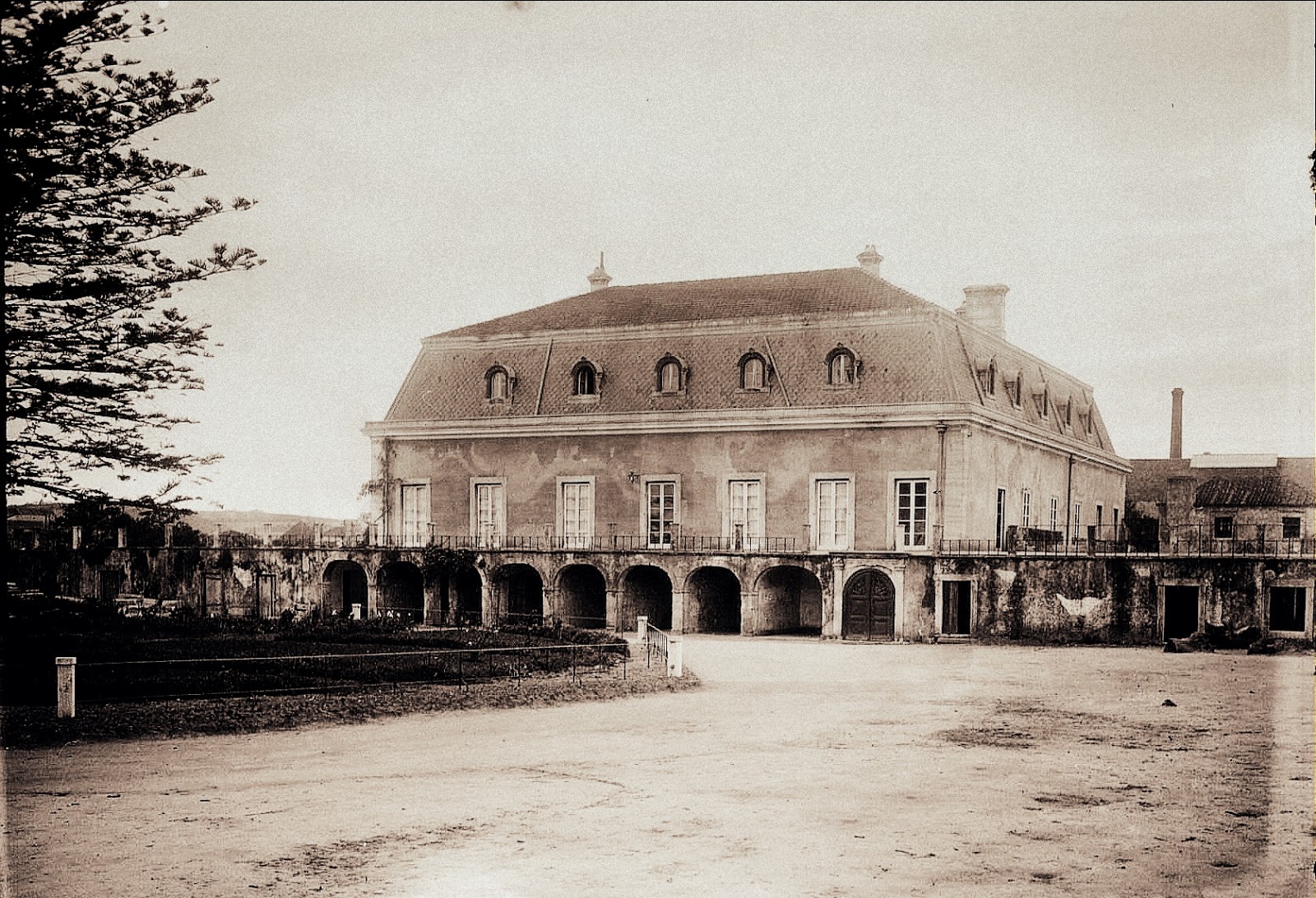
Palácio quinhentista da Praia, pertencente a D. Manuel de Portugal © Arquivo do Jornal O Século
After the earthquake of 1755, the neighborhood was chosen as a place of residence for the Royal Family.
In 1911, with the establishment of the republic and the end of the monarchy, the official residence of the President of the Republic was installed here, in the Belém Palace.
Today, Belém is one of Lisbon`s most important tourist attractions, not only because of its proximity to the river, but also because of the wide range of spaces on offer, such as museums, monuments and historic gardens.
a. Architecture in Belém
It`s impossible to go to Belém and not be impressed by all the history and monumentality of this area by the river
Among the vast array of monuments and historic buildings, you can see the most diverse architectural styles, from neoclassical palaces to contemporary designs.
Belém is also home to two of the greatest works in the Manueline style, the Jerónimos Monastery and the Belém Tower.
After the earthquake of 1755, the neighborhood was chosen as a place of residence for the Royal Family, as it withstood the disaster.
In 1911, with the establishment of the republic and the end of the monarchy, the official residence of the President of the Republic was installed here, in the Belém Palace.
Today, Belém is one of Lisbon's most important tourist attractions, not only because of its proximity to the river, but also because of the wide range of spaces on offer, such as museums, monuments and historic gardens.
a. Architecture in Belém
It's impossible to go to Belém and not be impressed by all the history and monumentality of this area by the river.
Among the vast array of monuments and historic buildings, you can see the most diverse architectural styles, from neoclassical palaces to contemporary designs.
Belém is also home to two of the greatest works in the Manueline style, the Jerónimos Monastery and the Belém Tower.
After the earthquake of 1755, the neighborhood was chosen as a place of residence for the Royal Family, as it withstood the disaster.
In 1911, with the establishment of the republic and the end of the monarchy, the official residence of the President of the Republic was installed here, in the Belém Palace.
Today, Belém is one of Lisbon's most important tourist attractions, not only because of its proximity to the river, but also because of the wide range of spaces on offer, such as museums, monuments and historic gardens.
a. Architecture in Belém
It's impossible to go to Belém and not be impressed by all the history and monumentality of this area by the river.
Among the vast array of monuments and historic buildings, you can see the most diverse architectural styles, from neoclassical palaces to contemporary designs.
Belém is also home to two of the greatest works in the Manueline style, the Jerónimos Monastery and the Belém Tower.
After the earthquake of 1755, the neighborhood was chosen as a place of residence for the Royal Family, as it withstood the disaster.
In 1911, with the establishment of the republic and the end of the monarchy, the official residence of the President of the Republic was installed here, in the Belém Palace.
Today, Belém is one of Lisbon's most important tourist attractions, not only because of its proximity to the river, but also because of the wide range of spaces on offer, such as museums, monuments and historic gardens.
a. Architecture in Belém
It's impossible to go to Belém and not be impressed by all the history and monumentality of this area by the river.
Among the vast array of monuments and historic buildings, you can see the most diverse architectural styles, from neoclassical palaces to contemporary designs.
Belém is also home to two of the greatest works in the Manueline style, the Jerónimos Monastery and the Belém Tower.
After the earthquake of 1755, the neighborhood was chosen as a place of residence for the Royal Family, as it withstood the disaster.
In 1911, with the establishment of the republic and the end of the monarchy, the official residence of the President of the Republic was installed here, in the Belém Palace.
Today, Belém is one of Lisbon's most important tourist attractions, not only because of its proximity to the river, but also because of the wide range of spaces on offer, such as museums, monuments and historic gardens.
a. Architecture in Belém
It's impossible to go to Belém and not be impressed by all the history and monumentality of this area by the river.
Among the vast array of monuments and historic buildings, you can see the most diverse architectural styles, from neoclassical palaces to contemporary designs.
Belém is also home to two of the greatest works in the Manueline style, the Jerónimos Monastery and the Belém Tower.
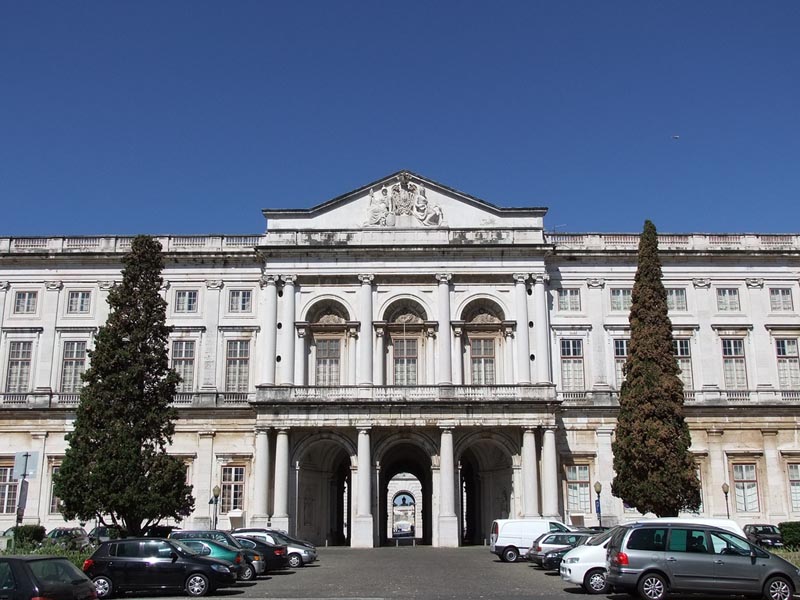
Lisbon City Plan
Palácio Nacional da Ajuda © Miguel Hugo Carriço
2 - The parish of Belém in numbers
|
Belém |
|
|
|
|
|
|
|
|
|
|
|
|
|
|
|
|
|
|
|
|
|
|
|
|
|
|
|
|
|
|
* (Population aged 65 or over / Population under 15) * 100
** Price Report December 2024 Idealist
*** Price Report December 2024 Idealist
3 - Why choose to live in Belém?
Famous for its role in the Age of the Portuguese Discoveries, Belém is a neighborhood steeped in history and culture. This is where you'll find some of Lisbon's most iconic monuments, such as the Padrão dos Descobrimentos (Monument to the Discoveries), the Belém Tower and the Jerónimos Monastery.
2 - The parish of Belém in numbers
|
Belém |
|
|
|
|
|
|
|
|
|
|
|
|
|
|
|
|
|
|
|
|
|
|
|
|
|
|
|
|
|
|
* (Population aged 65 or over / Population under 15) * 100
** Price Report December 2024 Idealist
*** Price Report December 2024 Idealist
3 - Why choose to live in Belém?
Famous for its role in the Age of the Portuguese Discoveries, Belém is a neighborhood steeped in history and culture. This is where you'll find some of Lisbon's most iconic monuments, such as the Padrão dos Descobrimentos (Monument to the Discoveries), the Belém Tower and the Jerónimos Monastery.
2 - The parish of Belém in numbers
|
Belém |
|
|
|
|
|
|
|
|
|
|
|
|
|
|
|
|
|
|
|
|
|
|
|
|
|
|
|
|
|
|
* (Population aged 65 or over / Population under 15) * 100
** Price Report August 2025 Idealista
*** Price Report August 2025 Idealista
3 - Why choose to live in Belém?
Famous for its role in the Age of the Portuguese Discoveries, Belém is a neighborhood steeped in history and culture. This is where you'll find some of Lisbon's most iconic monuments, such as the Padrão dos Descobrimentos (Monument to the Discoveries), the Belém Tower and the Jerónimos Monastery.
Pastry Shop “A Tentadora” © Universidade Nova de Lisboa
Paragraph
Alfama thus began to lose its importance and, although it wasn't affected by the earthquake, it was left behind.
by the earthquake, it was left abandoned by the central government until the 20th century - being identified
being identified as a dangerous part of the city.
Despite its decadence in the 19th century Alfama saw the emergence of a musical style that is now considered to be an intangible UNESCO intangible heritage - Fado! Born in the streets, bars and prostitution centres of
Alfama, Fado began to be heard at court and gained another kind of prominence.
With the emergence of the fado singer Amália Rodrigues, fado became internationally recognised.
recognised internationally.
Today, Alfama is one of the best known and most visited neighbourhoods in the city. Here
you can feel the neighbourhood life, you can feel the fado, you can feel the essence of Lisbon!
Paragraph
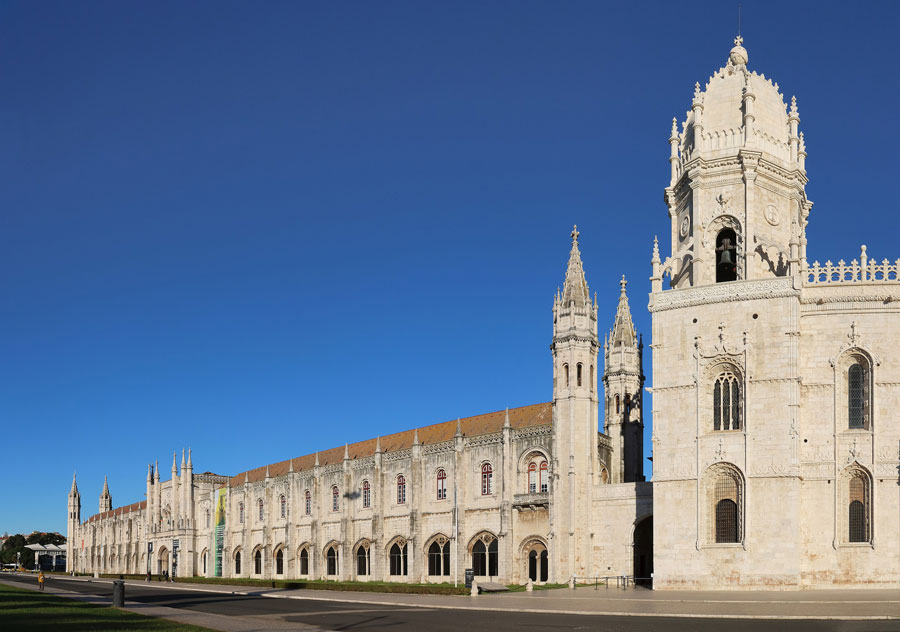
Mosteiro dos Jerónimos © Wikimedia – CC BY-SA 4.0 – Ingo Mehling (Imagem Original)
Stationery Shop “A Concorrente” © Universidade Nova de Lisboa
In Campo de Ourique there is quantity and quality. As you walk around the neighborhood, you'll find all kinds of stores - cafés, pastry stores, restaurants, grocery stores and a variety of stores. It is also home to some of the best schools and colleges in the city, such as the "Liceu Pedro Nunes" and the "Salesianos de Lisboa".
Campo de Ourique is very well located, in the center of the triangle formed by Amoreiras, Estrela and Prazeres. Just an 11-minute walk from Amoreiras Shopping Center and a 15-minute walk from Jardim da Estrela.
The famous streetcar 28, which runs through Lisbon's historic neighborhoods, has its last stop here, next to the Prazeres Cemetery.
Several streetcars and buses pass through the streets of Campo de Ourique throughout the day. In three years' time, the neighborhood will also have a metro station.
Foto: flickr | @abz.rec
Belém offers a peaceful lifestyle, with a wide range of green areas, such as the Ajuda Botanical Garden, the Bela Vista Park and the Praça do Império Garden. There are also a variety of outdoor activities available, such as running, cycling
and walking along the river.
Living in Belém you'll have Lisbon's city center on one side (10km) and the beaches of Cascais (20km) and Carcavelos (14km) on the other. In addition, Belém has easy access to the main highways leading to other Portuguese cities and to Lisbon's international airport. With a breathtaking view over the River Tagus, in Belém you can enjoy the best of Lisbon in a calm and relaxed atmosphere.
Belém offers a peaceful lifestyle, with a wide range of green areas, such as the Ajuda Botanical Garden, the Bela Vista Park and the Praça do Império Garden. There are also a variety of outdoor activities available, such as running, cycling
and walking along the river.
Living in Belém you'll have Lisbon's city center on one side (10km) and the beaches of Cascais (20km) and Carcavelos (14km) on the other. In addition, Belém has easy access to the main highways leading to other Portuguese cities and to Lisbon's international airport. With a breathtaking view over the River Tagus, in Belém you can enjoy the best of Lisbon in a calm and relaxed atmosphere.
Belém offers a peaceful lifestyle, with a wide range of green areas, such as the Ajuda Botanical Garden, the Bela Vista Park and the Praça do Império Garden. There are also a variety of outdoor activities available, such as running, cycling
and walking along the river.
Living in Belém you'll have Lisbon's city center on one side (10km) and the beaches of Cascais (20km) and Carcavelos (14km) on the other. In addition, Belém has easy access to the main highways leading to other Portuguese cities and to Lisbon's international airport. With a breathtaking view over the River Tagus, in Belém you can enjoy the best of Lisbon in a calm and relaxed atmosphere.
@soniabonet
What to see and do in Belém?
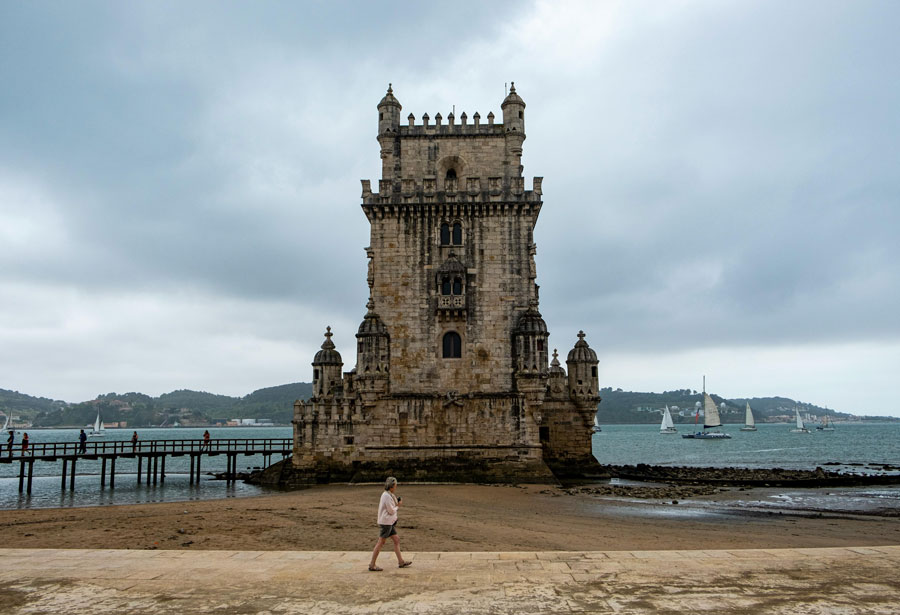
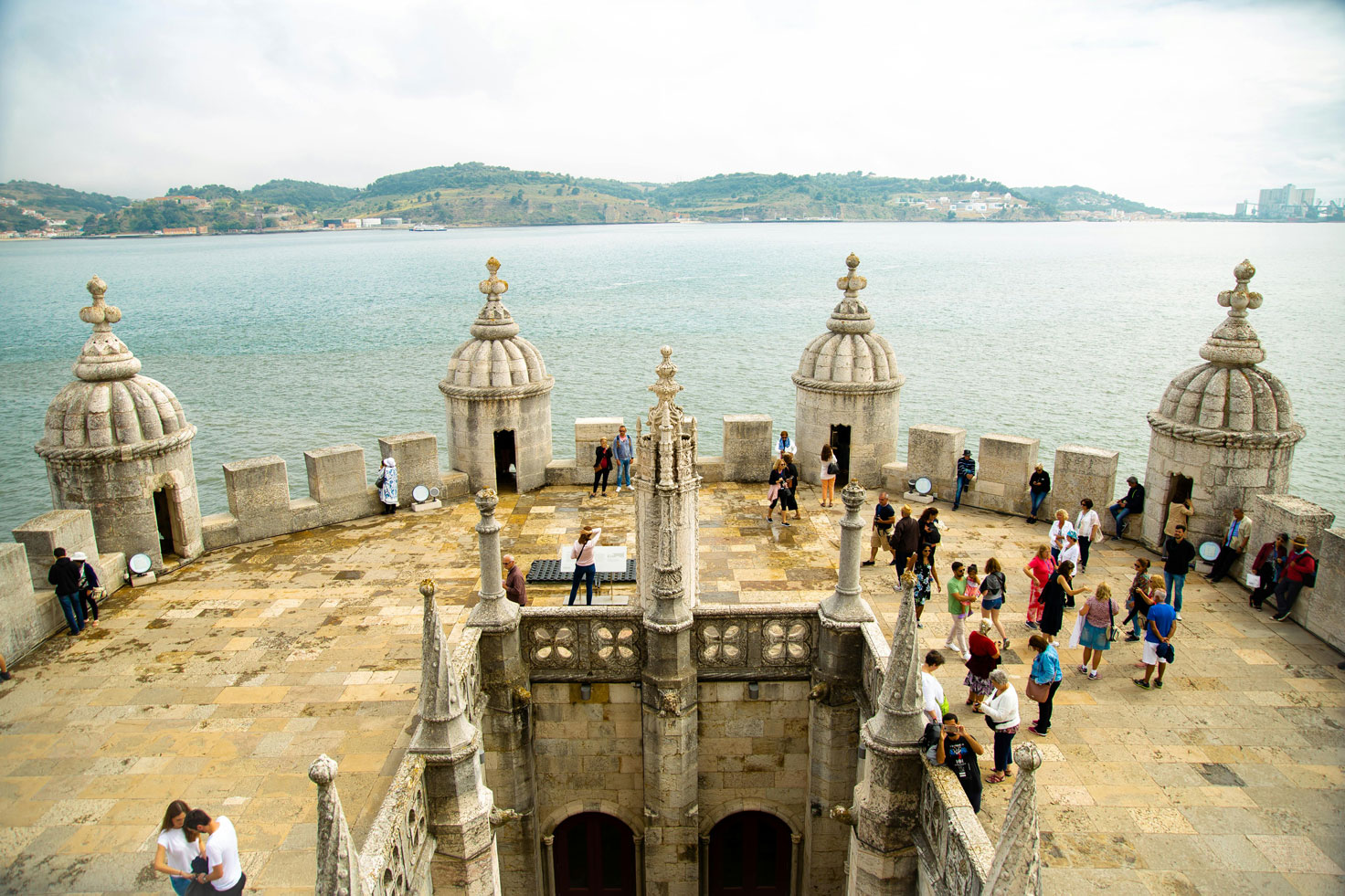
Declared a Cultural Heritage Site by UNESCO in 1983 and chosen as one of the Seven Wonders of Portugal in 2007, the Belém Tower is one of the most iconic and visited monuments in the neighborhood and the city. The tower was built at the beginning of the 16th century, and over the course of its five centuries of life it has performed various functions, from fortress, customs house, lighthouse and even dungeon. Known for its beauty, the Belém Tower is a jewel of Manueline architecture, with various decorative elements from the age of navigation. From the top, you can admire Belém, the Tagus and the South Bank.
Normal ticket price 6€
Free entry on Sundays and public holidays for all citizens residing in Portugal
Opening hours
From 10 a.m. to 5.30 p.m. (Closed on Mondays)
Tower of Belém
Tower of Belém
©Câmara Municipal de Lisboa - Jardim da Parada
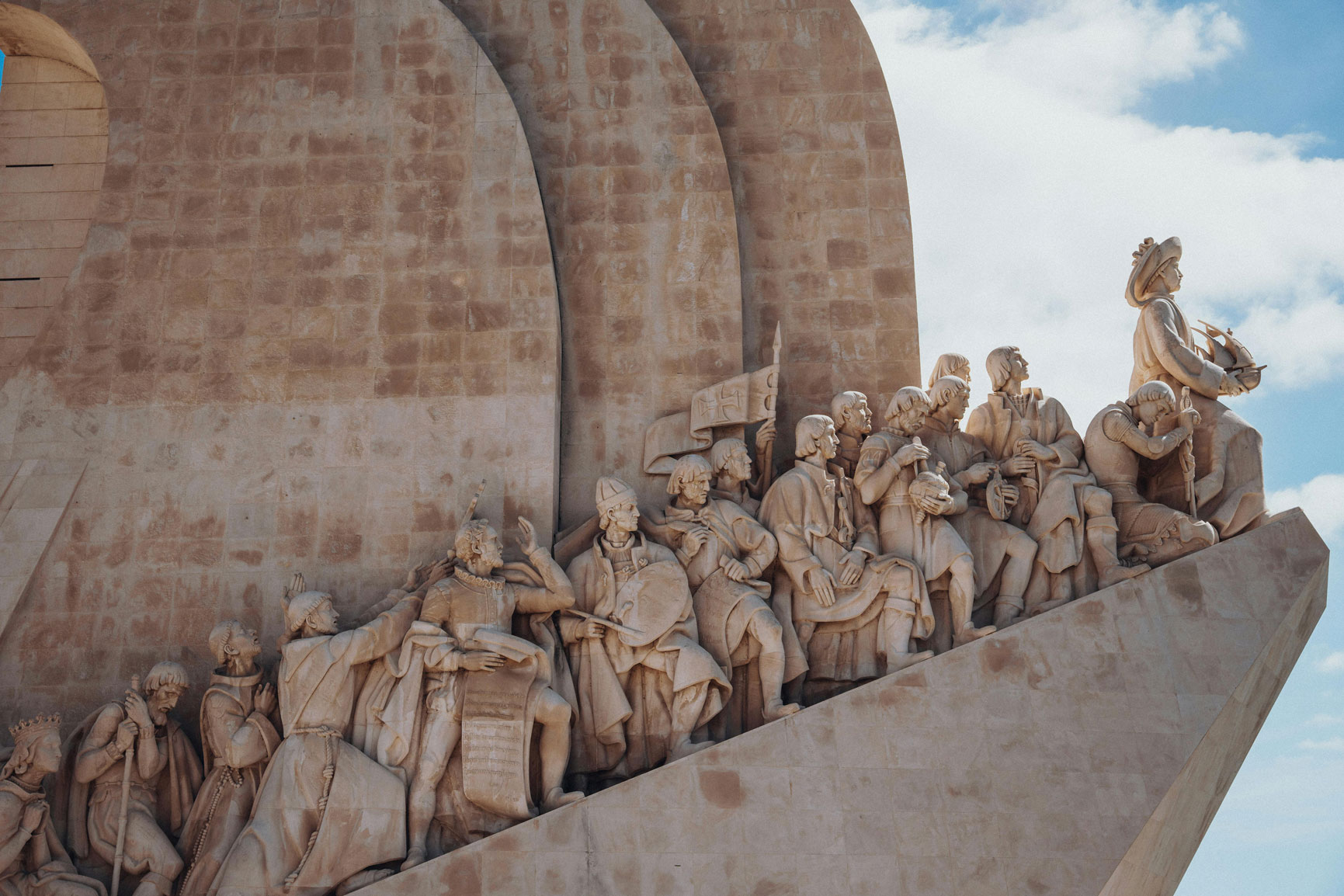
Located on the banks of the River Tagus, the Monument to the Discoveries is an imposing monument in the shape of a caravel, and one of Lisbon's main postcards. The Monument to the Discoveries was built as a tribute to Prince Henry the Navigator, an important figure at the beginning of the age of discovery. In the monument, the Infante appears as the central element, accompanied by 32 other figures associated with the Discoveries, such as Vasco da Gama (commander of the first ships to sail from Europe to India) and Pedro Álvares Cabral (discoverer of Brazil). Inside there is an auditorium, exhibition rooms alluding to the theme and a belvedere, which offers paradisiacal views over the city and the Tagus river.
Normal ticket price 10€
Free entry on Sundays and public holidays until 2pm for all citizens living in the municipality of Lisbon.
Opening hours
Winter opening hours (October to February): From 10 a.m. to 6 p.m.
Summer opening hours (March to September): From 10 a.m. to 7 p.m
Monument to the Discoveries
Monument to the Discoveries
@visitlisboa
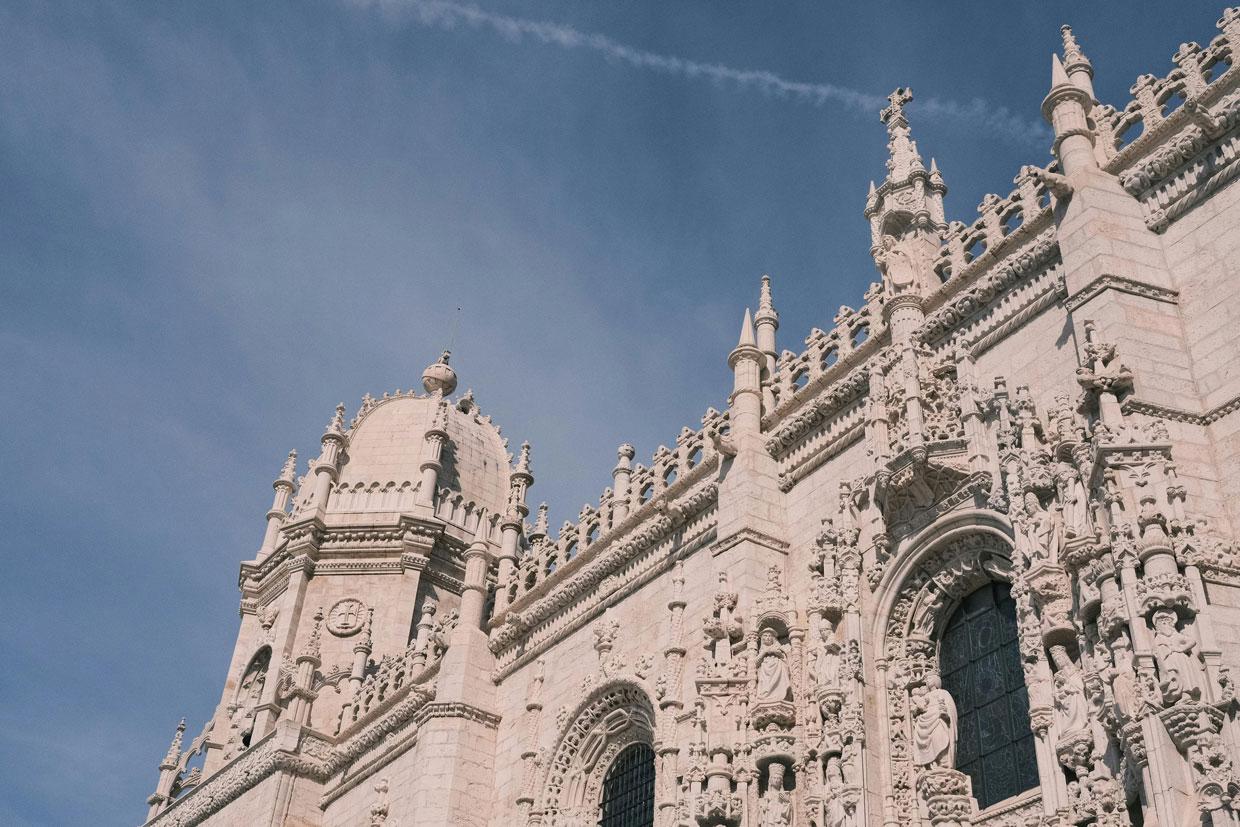
Built in the 16th century on the initiative of King Manuel I, this Portuguese monastery is one of the most important symbols of Lisbon and the Age of Discovery. The story goes that the monastery was donated by King Manuel I to the Order of Saint Jerome so that the monks could pray for the souls of the fishermen, sailors and navigators who set sail in ships and caravels from Restelo beach. Known for having marked the beginning of the Manueline style, the Jerónimos Monastery is a must-see for architecture lovers, with its façades, church, cloisters and chancel standing out. The monastery also houses the tombs of the navigator Vasco da Gama and the poets Luís de Camões and Fernando Pessoa. The Jerónimos Monastery has been a UNESCO World Heritage Site since 1983.
Normal ticket price 10€
Free entry on Sundays and public holidays until 2pm for all citizens residing in Portugal
Opening hours
From 10 a.m. to 5 p.m. (Closed on Mondays)
Jerónimos Monastery
Jerónimos Monastery
@casafernandopessoa
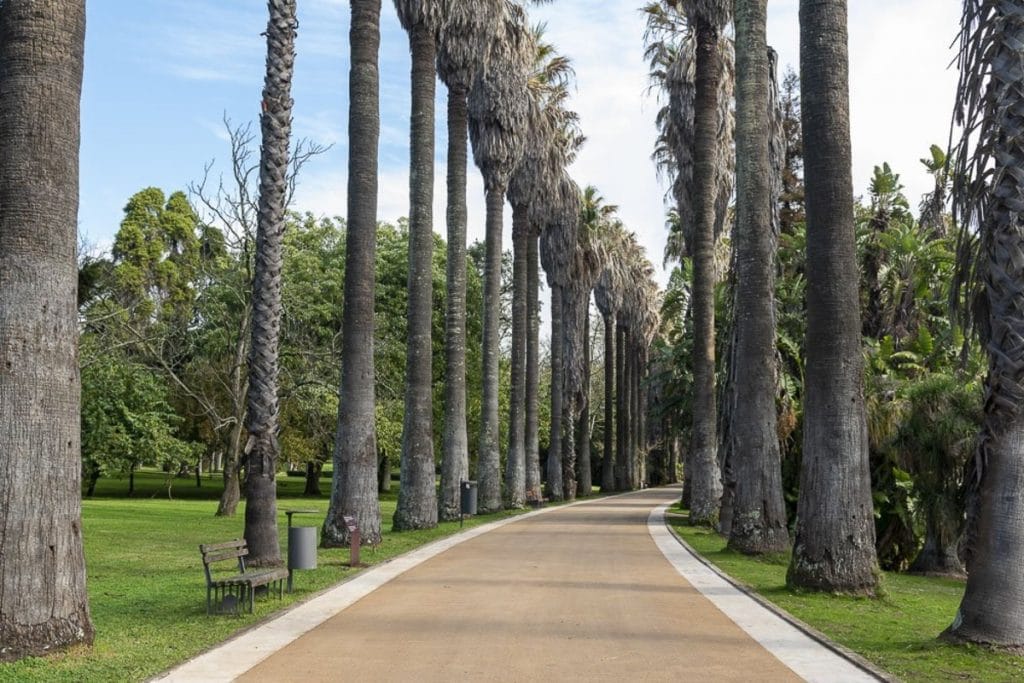
Located near the Jerónimos Monastery, the Tropical Botanical Garden includes 600 species of flora, covering a total area of around 7 hectares. Considered Lisbon's "green lung", this garden is the perfect place for those who want to escape the stress of the city. In addition to the 600 species of plants from various continents, here you will also find a butterfly garden, created with the aim of studying, breeding and developing butterfly species. The garden is divided into several corners, such as the "Island of Fruit Trees", where there are tropical fruit trees, and the "Macau Garden", where there are landscape elements and oriental sculptures. The Tropical Botanical Garden is located in an area of farms and pleasure houses belonging to the Portuguese nobility from the 16th and 18th centuries and also has an interesting cultural heritage. A true tropical oasis in the heart of the capital!
Normal ticket price 5€
Free admission on Sundays from 10 a.m. to 1 p.m.
Opening hours
Winter opening hours (October to March): 10h00 - 17h00
Summer opening hours (April to September): 10h00 - 20h00
Located near the Jerónimos Monastery, the Tropical Botanical Garden includes 600 species of flora, covering a total area of around 7 hectares. Considered Lisbon's "green lung", this garden is the perfect place for those who want to escape the stress of the city. In addition to the 600 species of plants from various continents, here you will also find a butterfly garden, created with the aim of studying, breeding and developing butterfly species. The garden is divided into several corners, such as the "Island of Fruit Trees", where there are tropical fruit trees, and the "Macau Garden", where there are landscape elements and oriental sculptures. The Tropical Botanical Garden is located in an area of farms and pleasure houses belonging to the Portuguese nobility from the 16th and 18th centuries and also has an interesting cultural heritage. A true tropical oasis in the heart of the capital!
Normal ticket price 5€
Free admission on Sundays from 10 a.m. to 1 p.m.
Opening hours
Winter opening hours (October to March): 10h00 - 17h00
Summer opening hours (April to September): 10h00 - 20h00
Located near the Jerónimos Monastery, the Tropical Botanical Garden includes 600 species of flora, covering a total area of around 7 hectares. Considered Lisbon's "green lung", this garden is the perfect place for those who want to escape the stress of the city. In addition to the 600 species of plants from various continents, here you will also find a butterfly garden, created with the aim of studying, breeding and developing butterfly species. The garden is divided into several corners, such as the "Island of Fruit Trees", where there are tropical fruit trees, and the "Macau Garden", where there are landscape elements and oriental sculptures. The Tropical Botanical Garden is located in an area of farms and pleasure houses belonging to the Portuguese nobility from the 16th and 18th centuries and also has an interesting cultural heritage. A true tropical oasis in the heart of the capital!
Normal ticket price 5€
Free admission on Sundays from 10 a.m. to 1 p.m.
Opening hours
Winter opening hours (October to March): 10h00 - 17h00
Summer opening hours (April to September): 10h00 - 20h00
Tropical Botanical Garden
Tropical Botanical Garden
@amoreiras360view
@rodrigosimas
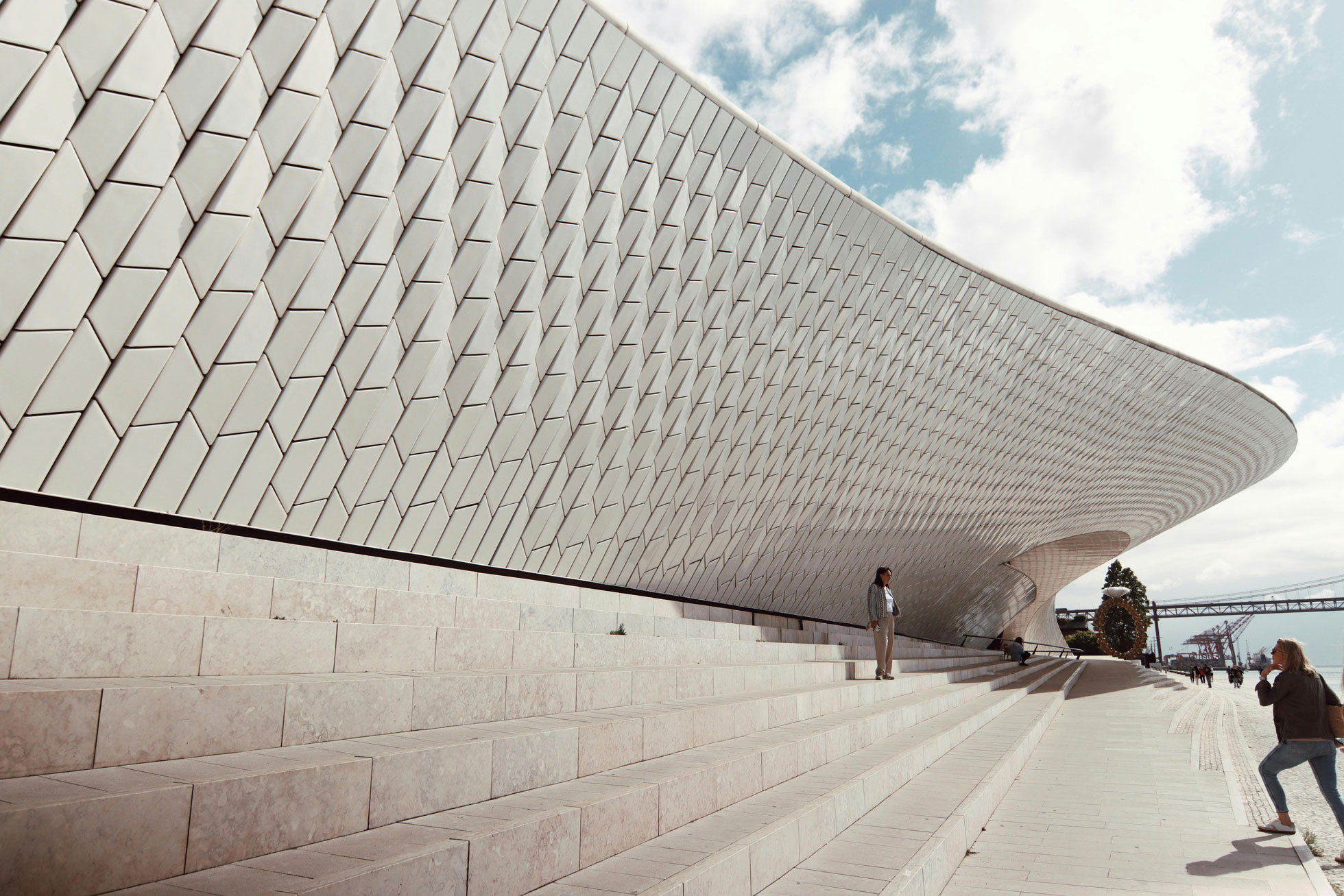
Known by its abbreviation MAAT, the "Museum of Art, Architecture and Technology"; is one of the city's most vibrant museums and one of the best examples of contemporary architecture in Belém. Inside, you'll find exhibitions that include national and international works from the 1960s onwards, as well as events and activities for the whole family, such as workshops and creative ateliers. The museum also includes the Lisbon Thermoelectric Power Station, one of Portugal's examples of industrial architecture from the first half of the 20th century. At the top is a fabulous viewpoint overlooking the Tagus.
Normal ticket price 9€
Free admission on the first Sunday of each month
Opening hours
From 10 a.m. to 7 p.m. (Closed on Tuesdays)
Known by its abbreviation MAAT, the "Museum of Art, Architecture and Technology"; is one of the city's most vibrant museums and one of the best examples of contemporary architecture in Belém. Inside, you'll find exhibitions that include national and international works from the 1960s onwards, as well as events and activities for the whole family, such as workshops and creative ateliers. The museum also includes the Lisbon Thermoelectric Power Station, one of Portugal's examples of industrial architecture from the first half of the 20th century. At the top is a fabulous viewpoint overlooking the Tagus.
Normal ticket price 9€
Free admission on the first Sunday of each month
Opening hours
From 10 a.m. to 7 p.m. (Closed on Tuesdays)
Known by its abbreviation MAAT, the "Museum of Art, Architecture and Technology"; is one of the city's most vibrant museums and one of the best examples of contemporary architecture in Belém. Inside, you'll find exhibitions that include national and international works from the 1960s onwards, as well as events and activities for the whole family, such as workshops and creative ateliers. The museum also includes the Lisbon Thermoelectric Power Station, one of Portugal's examples of industrial architecture from the first half of the 20th century. At the top is a fabulous viewpoint overlooking the Tagus.
Normal ticket price 9€
Free admission on the first Sunday of each month
Opening hours
From 10 a.m. to 7 p.m. (Closed on Tuesdays)
MAAT
MAAT
@luissm_photography
Where to eat and drink:
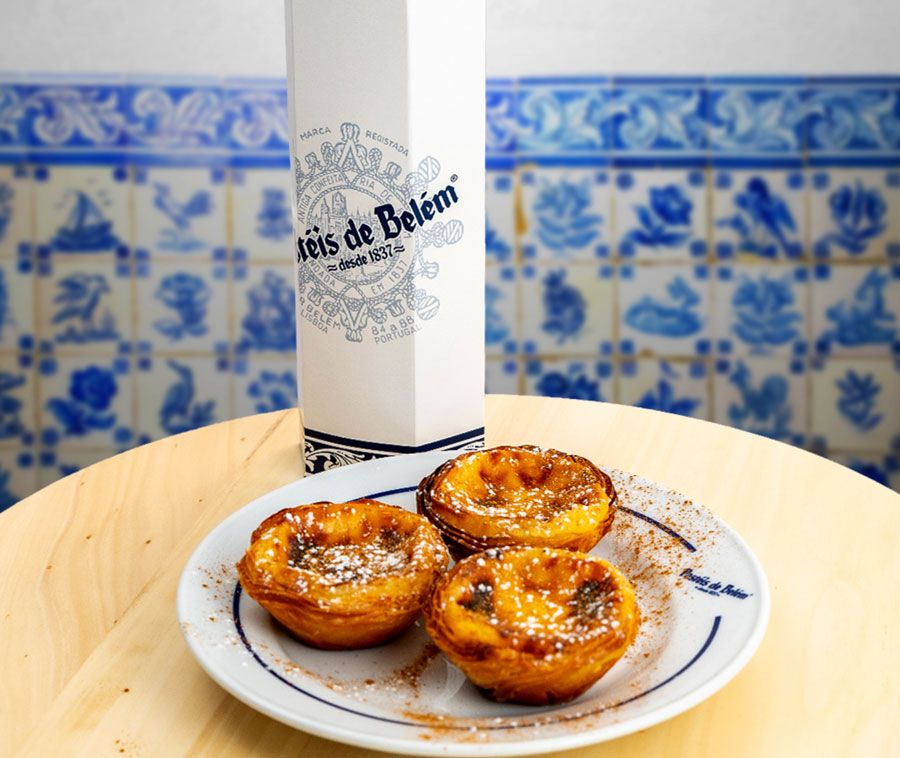
It is said that going to Belém and not eating one of its famous pastries "is like going to Rome and not seeing the Pope". Founded in 1837, the Fábrica dos Pastéis de Belém is a bakery specializing in the production of custard tarts based on an ancient and secret recipe. The story goes that the recipe originated in the Jerónimos Monastery and spread throughout the city after the end of the religious community. Today, the place is a must for anyone visiting the capital, with more than 20,000 pastéis sold every day. The true taste of ancient Portuguese sweets!
Opening hours
From 8 a.m. to 9 p.m.
Fábrica de Pastéis de Belém
Fábrica de Pastéis de Belém
©Fábrica de Pastéis de Belém
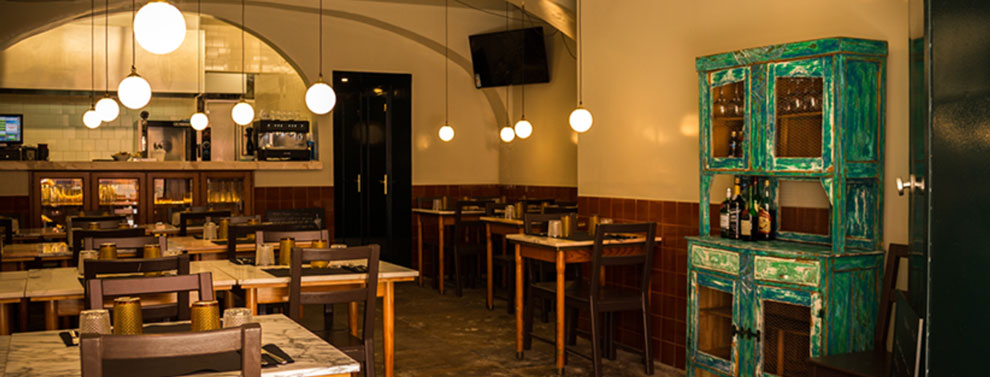
Located in a small alley in Belém, to find Taberna dos Ferreiros you have to get away from the busy tourist streets. The restaurant, which has been open since 2018, combines Portuguese ingredients and flavors with dishes from other origins and has already won the hearts of Lisbon residents. On the menu are classic regional dishes such as "Bacalhau à Ferreiro" and "Bife à Portuguesa", always prepared with a twist that makes them unforgettable! As a starter, try the "Peixinhos da Horta" - those who have been lucky enough to try them say they are "to die for".
Average price 20€
Opening hours
Tuesday to Saturday: 12h00 - 15h00 / 19h00 - 22h00
Sunday: 12h00 - 15h00
(Closed on Mondays)
Taberna dos Ferreiros
Taberna dos Ferreiros
©Taberna dos Ferreiros
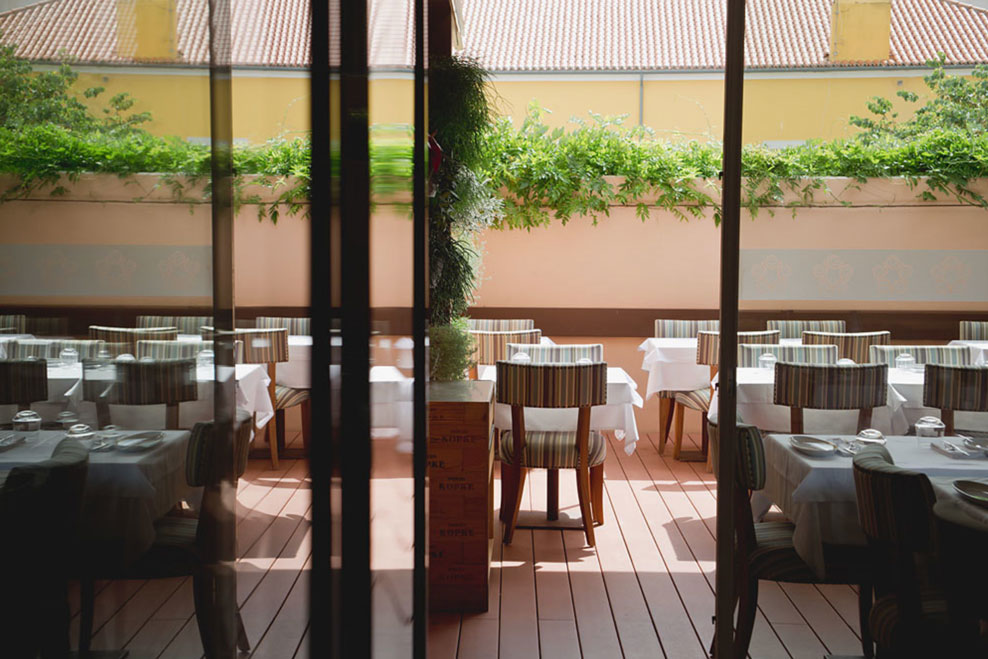
In an exquisite setting, "Descobre" combines restaurant, grocery store and wine cellar. The restaurant is known for its cuisine, where traditional Portuguese flavors stand out, and for its excellent selection of wines. The space is divided into two rooms and a terrace, with access from the inside. In the grocery store, you can taste the wine before you buy it.
Average price 25€ - 50€
Opening hours
From 12h00 to 00h00 (Closed on Sundays)
Descobre
Descobre
©Descobre
Buyer testimonials
Buyer testimonials
“We bought a flat through De Brito Properties several months ago and they have always helped us with the work, the contracts, the procedures (quickly and reliably). They have become our point of reference in Portugal and help us with all our questions. We congratulate ourselves every day for having gone through them for our purchase in Lisbon.”
Isabelle Sebah
“We bought a flat several months ago from De Brito and we were always helped with the works, the electricity, the various stages. It really is the ideal agency for a long-term property transaction!”
Florence Crisanto
"Very good experience. Very professional and reliable agency, and even more so because they helped us every step of the way, a great advantage, especially when you don't speak the language. Thanks to the whole team for their availability and friendliness."
Véronica L.
“My husband and I had great help buying a house in Azeitão. Titti Curtaz was attentive, professional, friendly and truly listened to our needs and concerns as we tried to find the right house for us. She was generous and patient. Our Portuguese is very basic and she graciously helped us translate the information between the seller and us. I highly recommend her and De Brito Properties”
Christina S.
"Professional, serious and attentive team. Very good service and good products. Ideal accompaniment!"
Jean Louis D.
"Quality service that listens to the customer. Thank you very much for helping us with our purchase and installation in Lisbon."
Bernardette Fernandes
See our selection of properties in Belém
See our selection of properties in Belém
We are your "Property Finder"
We are your "Property Finder"
Didn't find the property you're looking for on our website? Leave us your criteria and we will search the market and prepare a selection that suits your request.

