


Lower Alentejo
Lower Alentejo
A little about the history of the Lower Alentejo...
1 - A bit about the history of the Lower Alentejo...
The Lower Alentejo region has a rich and diverse history dating back to ancient times.
Around the 2nd century BC, the region experienced a period of intense Romanization, characterized by the emergence of important urban centers: Beja (Pax Julia), Mértola (Myrtilis Julia) and Serpa (Serpa Aquae Flaviae).
Traces of this period can be found in archaeological sites throughout the territory, such as the Roman Village of Pisões; the Lucerne Museum in Castro Verde; and the Roman Museum Center in Mértola.
After the fall of the Roman Empire, the Lower Alentejo was conquered by the Visigoths and later by the Moors (8th century). The Moorish occupation was marked by the introduction of new irrigation techniques and the establishment of new crops, such as orange and almond trees.
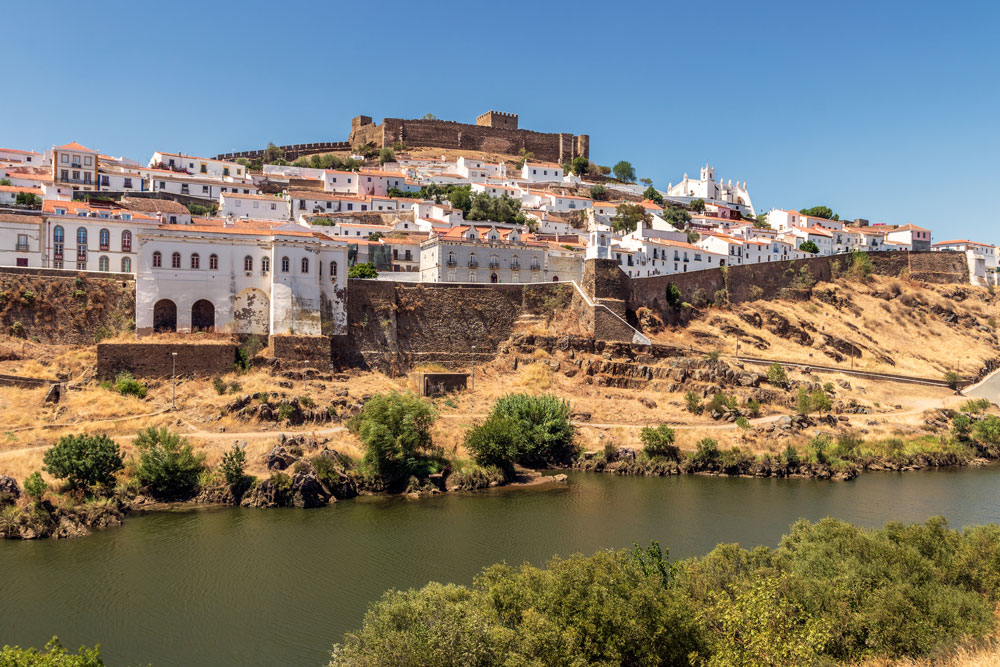
The town of Mértola bears witness to this period of history, with an impressive Arab fortress, the Mértola Castle.
In the 13th century, Lower Alentejo was reconquered by the Christians. Castles, churches and fortresses were built and trade and industry flourished, driven by the production of wheat, olive oil, wine and cork.
1 - A bit about the history of the Lower Alentejo...
The Lower Alentejo region has a rich and diverse history dating back to ancient times.
Around the 2nd century BC, the region experienced a period of intense Romanization, characterized by the emergence of important urban centers: Beja (Pax Julia), Mértola (Myrtilis Julia) and Serpa (Serpa Aquae Flaviae).
Traces of this period can be found in archaeological sites throughout the territory, such as the Roman Village of Pisões; the Lucerne Museum in Castro Verde; and the Roman Museum Center in Mértola.
After the fall of the Roman Empire, the Lower Alentejo was conquered by the Visigoths and later by the Moors (8th century). The Moorish occupation was marked by the introduction of new irrigation techniques and the establishment of new crops, such as orange and almond trees.
The town of Mértola bears witness to this period of history, with an impressive Arab fortress, the Mértola Castle.
In the 13th century, Lower Alentejo was reconquered by the Christians. Castles, churches and fortresses were built and trade and industry flourished, driven by the production of wheat, olive oil, wine and cork.
1 - A bit about the history of the Lower Alentejo...
The Lower Alentejo region has a rich and diverse history dating back to ancient times.
Around the 2nd century BC, the region experienced a period of intense Romanization, characterized by the emergence of important urban centers: Beja (Pax Julia), Mértola (Myrtilis Julia) and Serpa (Serpa Aquae Flaviae).
Traces of this period can be found in archaeological sites throughout the territory, such as the Roman Village of Pisões; the Lucerne Museum in Castro Verde; and the Roman Museum Center in Mértola.
After the fall of the Roman Empire, the Lower Alentejo was conquered by the Visigoths and later by the Moors (8th century). The Moorish occupation was marked by the introduction of new irrigation techniques and the establishment of new crops, such as orange and almond trees.
The town of Mértola bears witness to this period of history, with an impressive Arab fortress, the Mértola Castle.
In the 13th century, Lower Alentejo was reconquered by the Christians. Castles, churches and fortresses were built and trade and industry flourished, driven by the production of wheat, olive oil, wine and cork.
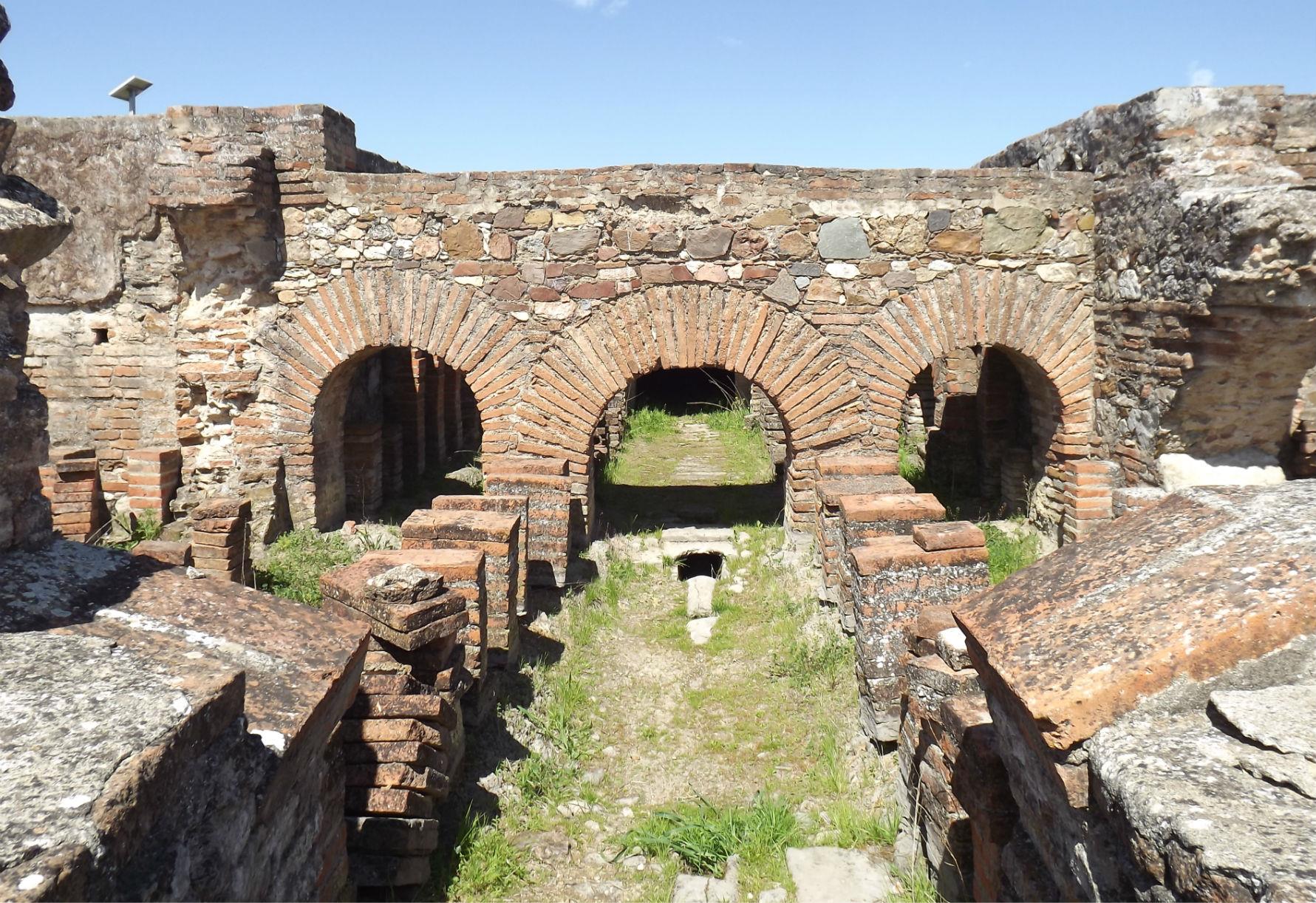
Vila Romana de Pisões © Câmara Municipal de Beja
Today, the Lower Alentejo remains a predominantly rural area, with an economy based on agriculture, livestock and cork production - with landscapes marked by golden plains and cork oak and holm oak forests.
a. Architecture in Baixo Alentejo
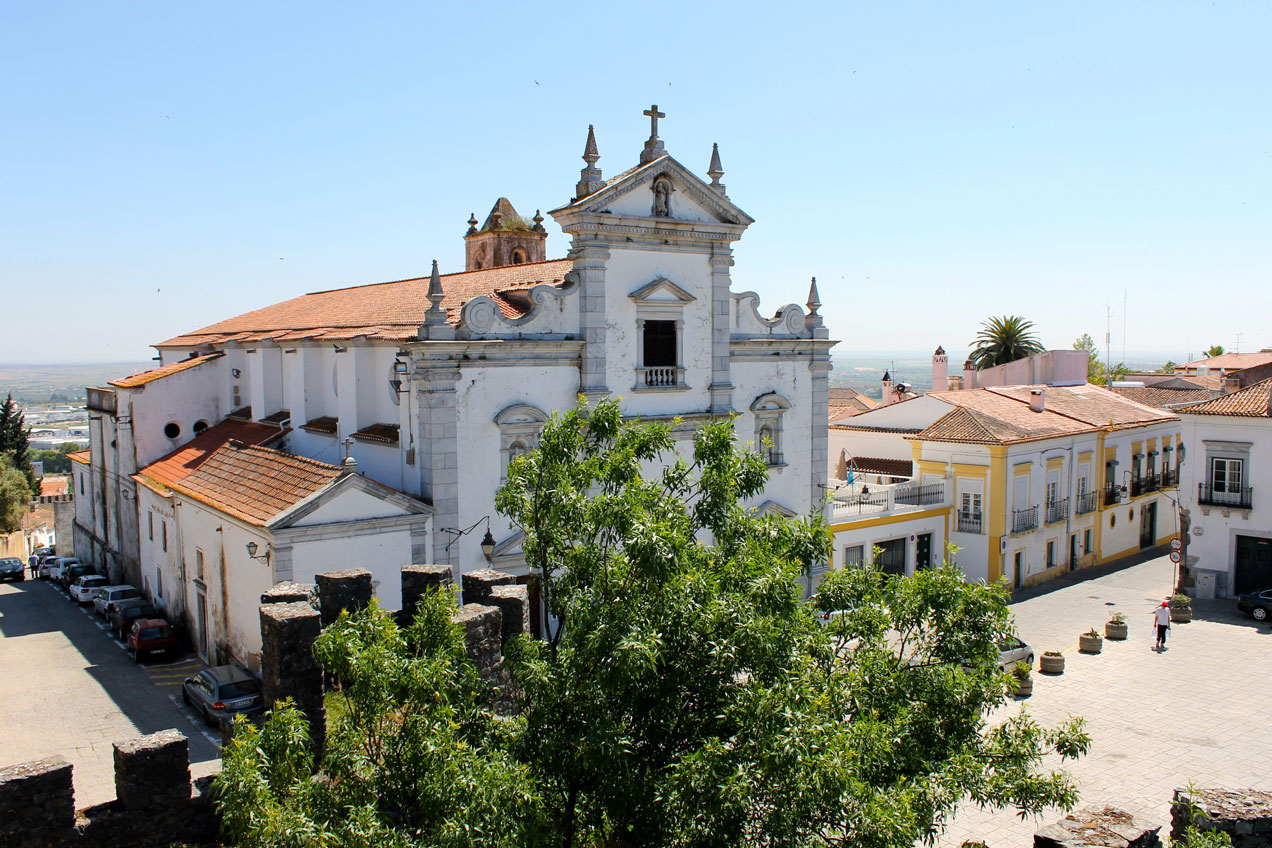
One of the most striking elements of the architecture of Lower Alentejo, like the whole of Alentejo, are the whitewashed houses. These houses represent the traditional Alentejo style and usually have terracotta roofs, tall chimneys and details in bright colors such as yellow and blue.
Many of these rural houses are built on hilltops and are known as "montes alentejanos".
Curiosity. Did you know that the reason they are painted white is because this color helps to reflect the heat of the hot sun, characteristic of the region?
In addition, the Baixo Alentejo area is home to numerous buildings that reflect its rich history and culture. One example is the castle of Mértola, which combines Roman, Arab and Gothic elements.
Today, the Lower Alentejo remains a predominantly rural area, with an economy based on agriculture, livestock and cork production - with landscapes marked by golden plains and cork oak and holm oak forests.
a. Architecture in the Lower Alentejo
One of the most striking elements of the architecture of Lower Alentejo, like the whole of Alentejo, are the whitewashed houses. These houses represent the traditional Alentejo style and usually have terracotta roofs, tall chimneys and details in bright colors such as yellow and blue. Many of these rural houses are built on hilltops and are known as "montes alentejanos".
Fun Fact: Did you know that the reason they are painted white is because this color helps to reflect the heat of the hot sun, characteristic of the region?
In addition, the Lower Alentejo area is home to numerous buildings that reflect its rich history and culture. One example is the castle of Mértola, which combines Roman, Arab and Gothic elements.
Today, the Lower Alentejo remains a predominantly rural area, with an economy based on agriculture, livestock and cork production - with landscapes marked by golden plains and cork oak and holm oak forests.
a. Architecture in Baixo Alentejo
One of the most striking elements of the architecture of Lower Alentejo, like the whole of Alentejo, are the whitewashed houses. These houses represent the traditional Alentejo style and usually have terracotta roofs, tall chimneys and details in bright colors such as yellow and blue. Many of these rural houses are built on hilltops and are known as "montes alentejanos".
Curiosity. Did you know that the reason they are painted white is because this color helps to reflect the heat of the hot sun, characteristic of the region?
In addition, the Baixo Alentejo area is home to numerous buildings that reflect its rich history and culture. One example is the castle of Mértola, which combines Roman, Arab and Gothic elements.
Today, the Lower Alentejo remains a predominantly rural area, with an economy based on agriculture, livestock and cork production - with landscapes marked by golden plains and cork oak and holm oak forests.
a. Architecture in Baixo Alentejo
One of the most striking elements of the architecture of Lower Alentejo, like the whole of Alentejo, are the whitewashed houses. These houses represent the traditional Alentejo style and usually have terracotta roofs, tall chimneys and details in bright colors such as yellow and blue. Many of these rural houses are built on hilltops and are known as "montes alentejanos".
Curiosity. Did you know that the reason they are painted white is because this color helps to reflect the heat of the hot sun, characteristic of the region?
In addition, the Baixo Alentejo area is home to numerous buildings that reflect its rich history and culture. One example is the castle of Mértola, which combines Roman, Arab and Gothic elements.
Today, the Lower Alentejo remains a predominantly rural area, with an economy based on agriculture, livestock and cork production - with landscapes marked by golden plains and cork oak and holm oak forests.
a. Architecture in the Lower Alentejo
One of the most striking elements of the architecture of Lower Alentejo, like the whole of Alentejo, are the whitewashed houses. These houses represent the traditional Alentejo style and usually have terracotta roofs, tall chimneys and details in bright colors such as yellow and blue. Many of these rural houses are built on hilltops and are known as "montes alentejanos".
Fun Fact: Did you know that the reason they are painted white is because this color helps to reflect the heat of the hot sun, characteristic of the region?
In addition, the Lower Alentejo area is home to numerous buildings that reflect its rich history and culture. One example is the castle of Mértola, which combines Roman, Arab and Gothic elements.
Lisbon City Plan
2 - The Lower Alentejo region in numbers
The Lower Alentejo region comprises 13 municipalities (belonging to the district of Beja): Aljustrel, Almodôvar, Alvito, Barrancos, Beja, Castro Verde, Cuba, Ferreira do Alentejo, Mértola, Moura, Ourique, Serpa and Vidigueira.
|
Lower Alentejo |
|
|
|
|
|
|
|
|
|
704 533 |
|
|
|
|
|
|
|
218,57 |
|
|
|
472 808 |
|
|
|
|
|
|
10,2 €/m2 |
N/A |
* (Population aged 65 or over / Population under 15) * 100
** Price Report December 2024 Idealist
*** Price Report December 2024 Idealist
2 - The Lower Alentejo region in numbers
The Lower Alentejo region comprises 13 municipalities (belonging to the district of Beja): Aljustrel, Almodôvar, Alvito, Barrancos, Beja, Castro Verde, Cuba, Ferreira do Alentejo, Mértola, Moura, Ourique, Serpa and Vidigueira.
|
Lower Alentejo |
|
|
|
|
|
|
|
|
|
704 533 |
|
|
|
|
|
|
|
218,57 |
|
|
|
472 808 |
|
|
|
|
|
|
10,2 €/m2 |
N/A |
* (Population aged 65 or over / Population under 15) * 100
** Price Report December 2024 Idealist
*** Price Report December 2024 Idealist
2 - The Lower Alentejo region in numbers
The Lower Alentejo region comprises 13 municipalities (belonging to the district of Beja): Aljustrel, Almodôvar, Alvito, Barrancos, Beja, Castro Verde, Cuba, Ferreira do Alentejo, Mértola, Moura, Ourique, Serpa and Vidigueira.
|
Lower Alentejo |
|
|
|
|
|
|
|
|
|
704 533 |
|
|
|
|
|
|
|
218,57 |
|
|
|
472 808 |
|
|
|
|
|
|
10,2 €/m2 |
N/A |
* (Population aged 65 or over / Population under 15) * 100
** Price Report December 2024 Idealist
*** Price Report December 2024 Idealist
Pastry Shop “A Tentadora” © Universidade Nova de Lisboa
Paragraph
Alfama thus began to lose its importance and, although it wasn't affected by the earthquake, it was left behind.
by the earthquake, it was left abandoned by the central government until the 20th century - being identified
being identified as a dangerous part of the city.
Despite its decadence in the 19th century Alfama saw the emergence of a musical style that is now considered to be an intangible UNESCO intangible heritage - Fado! Born in the streets, bars and prostitution centres of
Alfama, Fado began to be heard at court and gained another kind of prominence.
With the emergence of the fado singer Amália Rodrigues, fado became internationally recognised.
recognised internationally.
Today, Alfama is one of the best known and most visited neighbourhoods in the city. Here
you can feel the neighbourhood life, you can feel the fado, you can feel the essence of Lisbon!
Paragraph
Livramento Market © Município de Setúbal
©allaboutportugal
©Bernardo Conde
Estação do Oriente © Agenda Cultural de Lisboa
©Bernardo Conde
Stationery Shop “A Concorrente” © Universidade Nova de Lisboa
In Campo de Ourique there is quantity and quality. As you walk around the neighborhood, you'll find all kinds of stores - cafés, pastry stores, restaurants, grocery stores and a variety of stores. It is also home to some of the best schools and colleges in the city, such as the "Liceu Pedro Nunes" and the "Salesianos de Lisboa".
Campo de Ourique is very well located, in the center of the triangle formed by Amoreiras, Estrela and Prazeres. Just an 11-minute walk from Amoreiras Shopping Center and a 15-minute walk from Jardim da Estrela.
The famous streetcar 28, which runs through Lisbon's historic neighborhoods, has its last stop here, next to the Prazeres Cemetery.
Several streetcars and buses pass through the streets of Campo de Ourique throughout the day. In three years' time, the neighborhood will also have a metro station.
Foto: flickr | @abz.rec
3 - Why choose to live in the Lower Alentejo?
Living in Lower Alentejo is a choice that many people make in search of a better quality of life.
The region is known for its small towns and picturesque villages, and it is said that time passes more slowly here, that everything is done without haste.
So in Lower Alentejo you'll find a peaceful and relaxed atmosphere, where the connection with nature and tradition can be felt.
It's a place where community life and a sense of belonging are valued, and traditional festivals - such as religious festivals and local fairs - are common.
Alentejo food is an essential part of this life experience, always linked to products from the countryside, based on bread, olive oil and aromatic herbs. Among the most famous dishes from Lower Alentejo are purslane soup, dogfish soup and Alentejo-style pork.
In addition, Lower Alentejo is an area of great environmental importance, encompassing the Guadiana Valley Natural Park. This is a true paradise for hiking, bird watching and outdoor activities.
3 - Why choose to live in the Lower Alentejo?
Living in Lower Alentejo is a choice that many people make in search of a better quality of life.
The region is known for its small towns and picturesque villages, and it is said that time passes more slowly here, that everything is done without haste.
So in Lower Alentejo you'll find a peaceful and relaxed atmosphere, where the connection with nature and tradition can be felt.
It's a place where community life and a sense of belonging are valued, and traditional festivals - such as religious festivals and local fairs - are common.
Alentejo food is an essential part of this life experience, always linked to products from the countryside, based on bread, olive oil and aromatic herbs. Among the most famous dishes from Lower Alentejo are purslane soup, dogfish soup and Alentejo-style pork.
In addition, Lower Alentejo is an area of great environmental importance, encompassing the Guadiana Valley Natural Park. This is a true paradise for hiking, bird watching and outdoor activities.
3 - Why choose to live in the Lower Alentejo?
Living in Lower Alentejo is a choice that many people make in search of a better quality of life.
The region is known for its small towns and picturesque villages, and it is said that time passes more slowly here, that everything is done without haste.
So in Lower Alentejo you'll find a peaceful and relaxed atmosphere, where the connection with nature and tradition can be felt.
It's a place where community life and a sense of belonging are valued, and traditional festivals - such as religious festivals and local fairs - are common.
Alentejo food is an essential part of this life experience, always linked to products from the countryside, based on bread, olive oil and aromatic herbs. Among the most famous dishes from Lower Alentejo are purslane soup, dogfish soup and Alentejo-style pork.
In addition, Lower Alentejo is an area of great environmental importance, encompassing the Guadiana Valley Natural Park. This is a true paradise for hiking, bird watching and outdoor activities.
What to see and do in the Lower Alentejo?
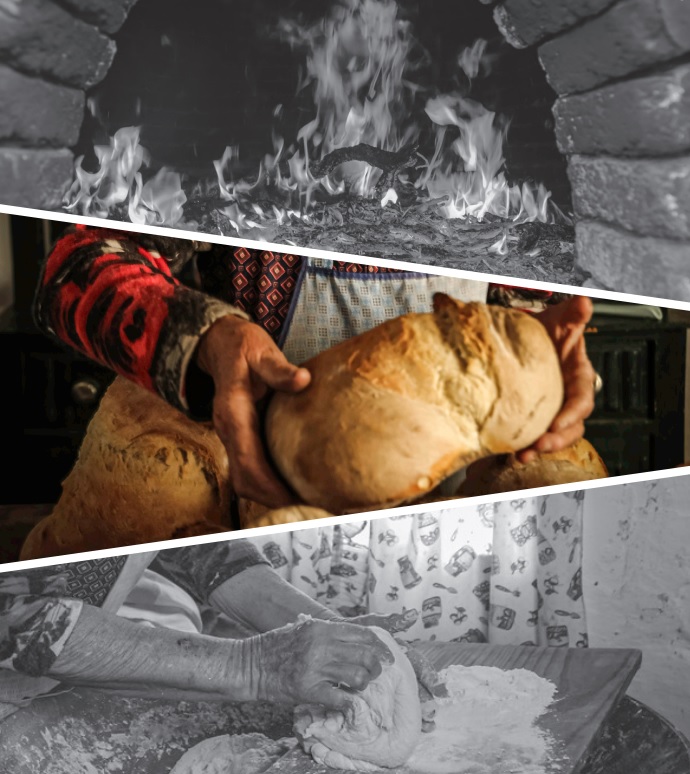
The city of Beja has a lot to offer, from an imposing medieval castle to a range of sumptuous churches and convents. In addition, Beja has a variety of workshops that invite you to immerse yourself in the traditions and arts of the region. Dare to discover the secrets of Alentejo cuisine, sing the traditional "Cante" at the top of your lungs or learn ancestral craft techniques from one of the local artisans. Find more information here: Município de Beja - Beja Experience (cm-beja.pt)
Workshops in Beja
Workshops in Beja
©Camara Municipal Beja
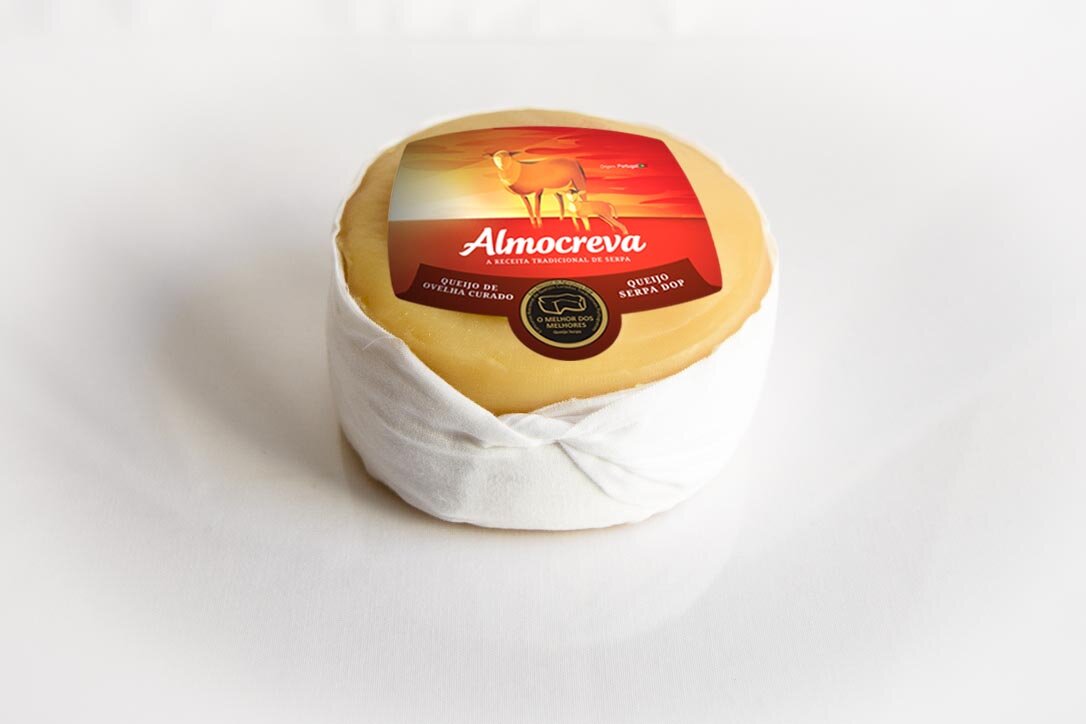
Handmade cheese production is a deep-rooted tradition in Serpa, and Serpa cheese is one of the most emblematic products of the Alentejo. Did you know that cheese factories in Serpa are called "Rouparias" (similar to clothing)? It's true, this is due to the vast amount of clothing associated with the activity, such as woolen cloths and white strips of cloth. There are several cheese factories in Serpa that preserve this type of artisanal manufacture, one of which is Queijaria José Bule. Don't miss the opportunity and come and taste Serpa's traditional sheep's milk cheese, made by the "roupeiros" of the Bule family! Tip: During your visit, take the opportunity to get lost in the alleys of the city's historic center. This is where you'll find the main attractions, such as the castle, the palace of the Counts, the Church of Santa Maria and the museums.
Visit a Rouparia (cheese factory) in Serpa
Visit a Rouparia (cheese factory) in Serpa
@casafernandopessoa
©queijaria.almocreva
@visitsetubal
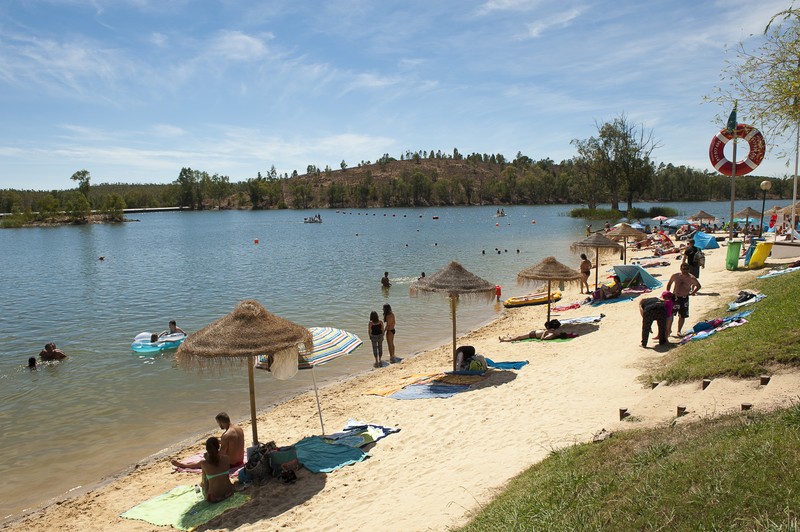
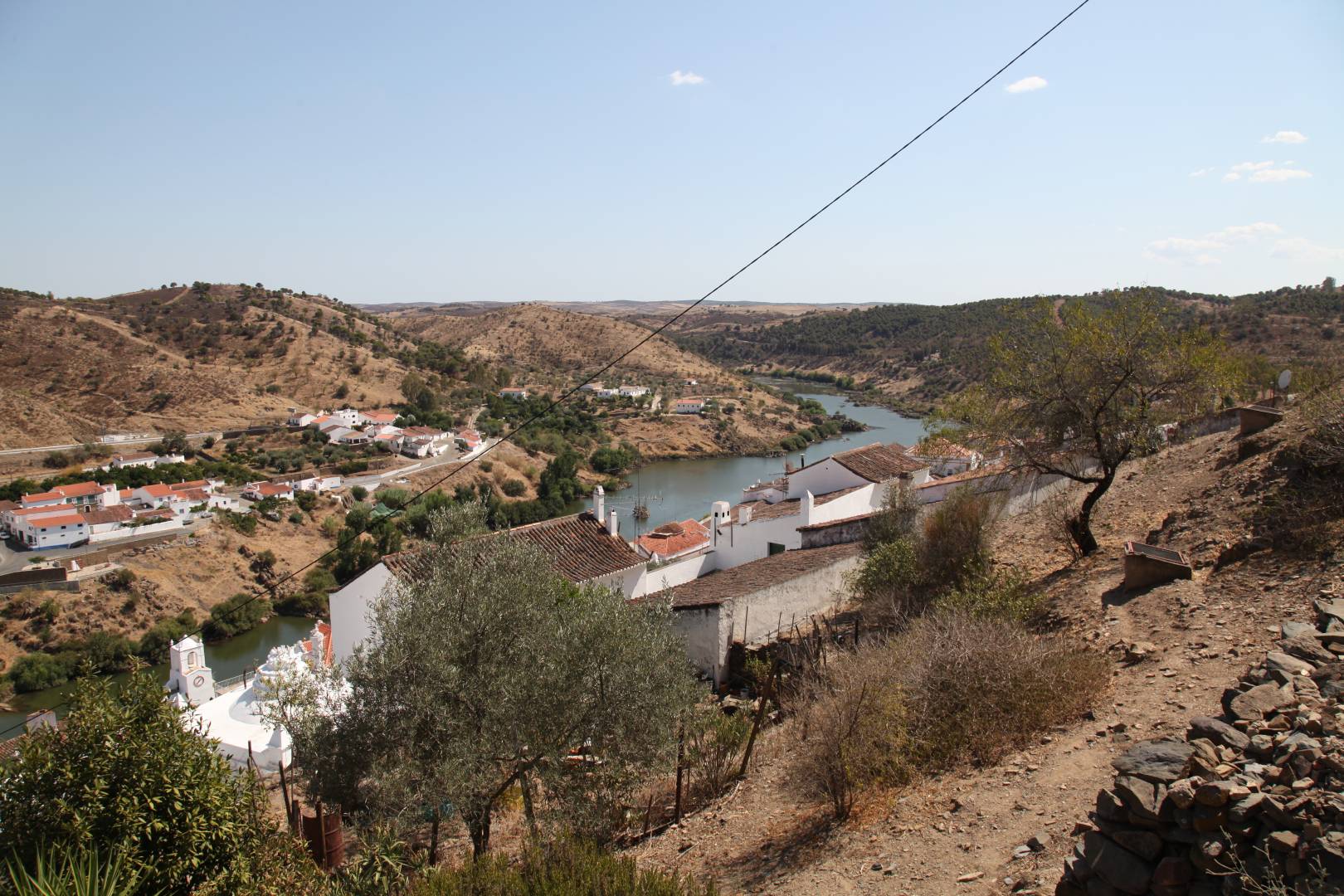
The walled town of Mértola is perched on a rocky crag on the banks of the River Guadiana and is one of the greatest jewels of the Lower Alentejo. The whole town is a historic center, where you'll find a medieval castle, monumental churches and even Roman ruins. In addition, Mértola hides a real treasure, the Tapada Grande River Beach. Surrounded by stunning scenery, this is the ideal place for those seeking tranquillity and contact with nature. Praia Fluvial da Tapada Grande offers a wide range of activities and water sports, such as canoeing and stand-up paddle boarding. You can also explore the surrounding trails and discover the rich fauna and flora of the region. The site is equipped with a parking lot, barbecue areas, picnic tables and a bar.
The walled town of Mértola is perched on a rocky crag on the banks of the River Guadiana and is one of the greatest jewels of the Lower Alentejo. The whole town is a historic center, where you'll find a medieval castle, monumental churches and even Roman ruins. In addition, Mértola hides a real treasure, the Tapada Grande River Beach. Surrounded by stunning scenery, this is the ideal place for those seeking tranquillity and contact with nature. Praia Fluvial da Tapada Grande offers a wide range of activities and water sports, such as canoeing and stand-up paddle boarding. You can also explore the surrounding trails and discover the rich fauna and flora of the region. The site is equipped with a parking lot, barbecue areas, picnic tables and a bar.
The walled town of Mértola is perched on a rocky crag on the banks of the River Guadiana and is one of the greatest jewels of the Lower Alentejo. The whole town is a historic center, where you'll find a medieval castle, monumental churches and even Roman ruins. In addition, Mértola hides a real treasure, the Tapada Grande River Beach. Surrounded by stunning scenery, this is the ideal place for those seeking tranquillity and contact with nature. Praia Fluvial da Tapada Grande offers a wide range of activities and water sports, such as canoeing and stand-up paddle boarding. You can also explore the surrounding trails and discover the rich fauna and flora of the region. The site is equipped with a parking lot, barbecue areas, picnic tables and a bar.
Tapada Grande River Beach in Mértola
Tapada Grande River Beach in Mértola
@amoreiras360view
©Camara Municipal Mértola
Did you know that in Santiago do Cacém giraffes, zebras, impalas, wildebeest, ostriches and buffaloes coexist in an area of 45 hectares? It´s true! Badoca Safari Park is located in Vila Nova de Santo André, in the municipality of Santiago do Cacém, and has around 230 free-roaming animals. Embark on a safari adventure and experience the thrill of the African savannah up close! The park also offers a range of other activities: a birds of prey presentation; a lemur presentation; a visit to the primate island; an open-air walking tour and a reptile presentation. "A full day in the Alentejo!"
Normal ticket price 19.90€
Opening hours
From 09h30 to 17h30
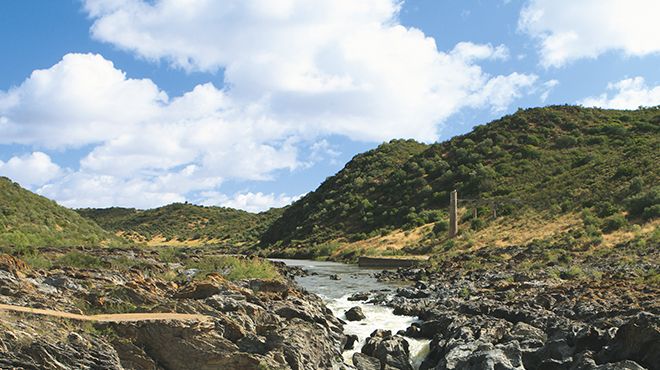
Stretching along the Guadiana River, the Guadiana Valley Natural Park is a natural jewel of extraordinary beauty and biodiversity. The park covers an area of around 70,000 hectares, with marked trails that invite you to explore the area on foot or by bicycle. You can also enjoy boat trips along the river or take part in birdwatching tours. One of the most emblematic points of the Guadiana Valley Natural Park is the Pulo do Lobo waterfall. This place is considered the ultimate exponent of the river's wild side - the true portrait of untamed nature! The Guadiana Valley Natural Park has several conservation initiatives and environmental education projects in place. To make the most of your visit, read and comply with the Code of Conduct in Protected Areas.
Stretching along the Guadiana River, the Guadiana Valley Natural Park is a natural jewel of extraordinary beauty and biodiversity. The park covers an area of around 70,000 hectares, with marked trails that invite you to explore the area on foot or by bicycle. You can also enjoy boat trips along the river or take part in birdwatching tours. One of the most emblematic points of the Guadiana Valley Natural Park is the Pulo do Lobo waterfall. This place is considered the ultimate exponent of the river's wild side - the true portrait of untamed nature! The Guadiana Valley Natural Park has several conservation initiatives and environmental education projects in place. To make the most of your visit, read and comply with the Code of Conduct in Protected Areas.
Stretching along the Guadiana River, the Guadiana Valley Natural Park is a natural jewel of extraordinary beauty and biodiversity. The park covers an area of around 70,000 hectares, with marked trails that invite you to explore the area on foot or by bicycle. You can also enjoy boat trips along the river or take part in birdwatching tours. One of the most emblematic points of the Guadiana Valley Natural Park is the Pulo do Lobo waterfall. This place is considered the ultimate exponent of the river's wild side - the true portrait of untamed nature! The Guadiana Valley Natural Park has several conservation initiatives and environmental education projects in place. To make the most of your visit, read and comply with the Code of Conduct in Protected Areas.
Stretching along the Guadiana River, the Guadiana Valley Natural Park is a natural jewel of extraordinary beauty and biodiversity. The park covers an area of around 70,000 hectares, with marked trails that invite you to explore the area on foot or by bicycle. You can also enjoy boat trips along the river or take part in birdwatching tours. One of the most emblematic points of the Guadiana Valley Natural Park is the Pulo do Lobo waterfall. This place is considered the ultimate exponent of the river's wild side - the true portrait of untamed nature! The Guadiana Valley Natural Park has several conservation initiatives and environmental education projects in place. To make the most of your visit, read and comply with the Code of Conduct in Protected Areas.
Guadiana Valley Natural Park
Guadiana Valley Natural Park
©visitportugal
Where to eat and drink:
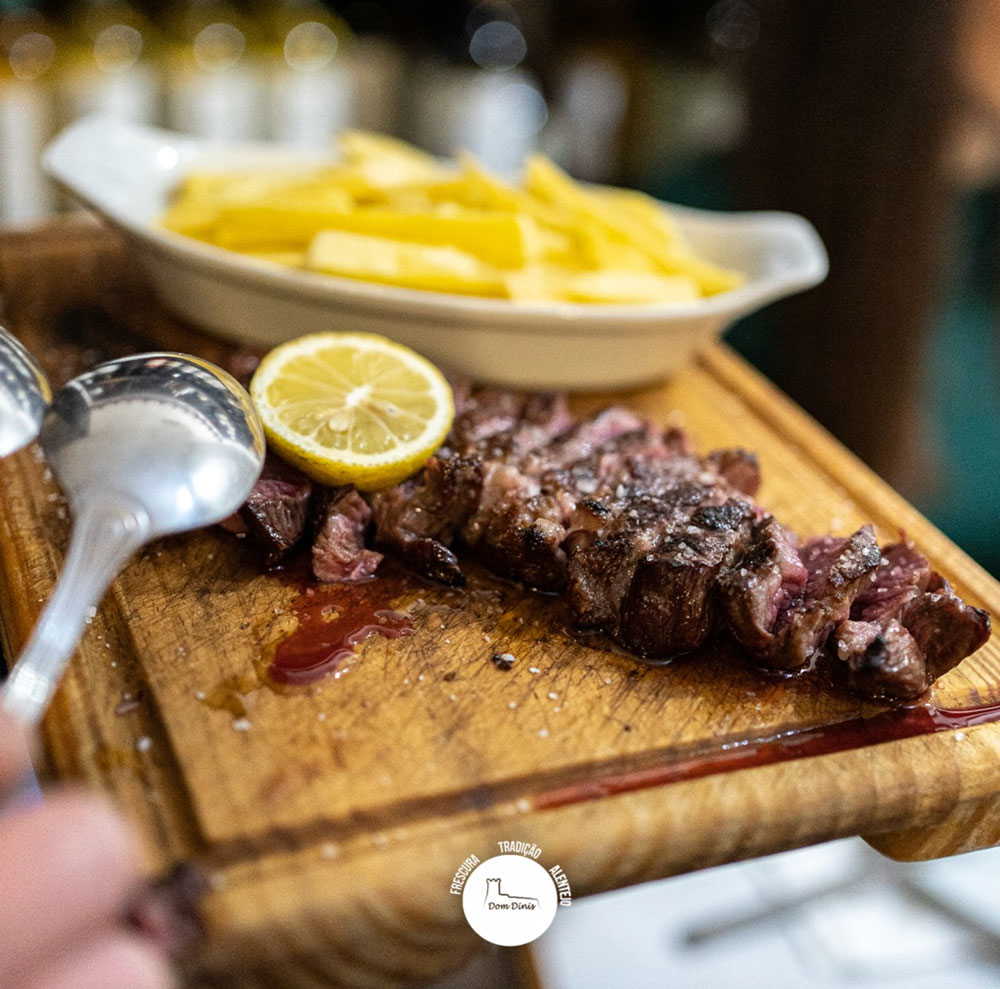
The Dom Dinis restaurant is located in the historic area of Beja and is the ideal place for those looking to try traditional food. The restaurant is known for its charcoal grills, with the “plumas” of black pork being one of the most popular dishes. To go with it? A trio of “migas”! Garlic, olives and asparagus. Stop at this Alentejo landmark for lunch or dinner after your visit to the iconic Beja Castle.
Average price 25€
Opening hours
Regular hours: 12h15 - 15h00 / 19h15 - 22h00
Tuesdays: 12h15 - 15h00
(Closed on Wednesdays)
Dom Dinis, Beja
Dom Dinis, Beja
©Dom Dinis
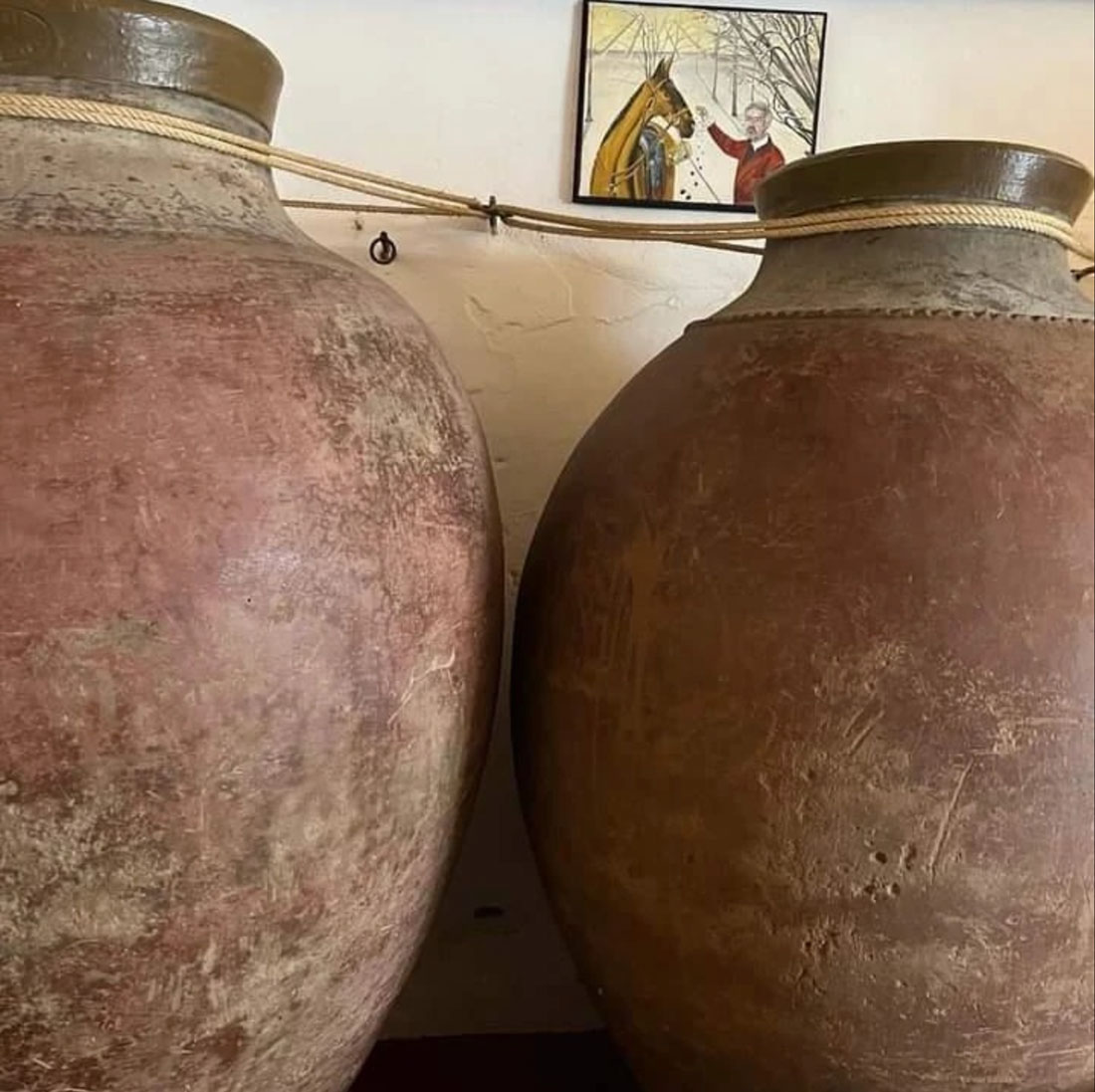
Next to the walls of Serpa you'll find Molhó Bico, a restaurant whose sole mission is to serve regional products at the table. Here you'll find typical dishes such as black pork “carrilhada”, chickpea stew, lamb stew and codfish “açorda”. As it is housed in an old wine cellar, the restaurant has a very distinctive décor, where you can still see the large clay carvings.
Average price 15€
Opening hours
Regular hours: 12h30 - 15h00 / 19h30 - 22h00
Tuesdays: 12h30 - 15h00
(Closed on Wednesdays)
Next to the walls of Serpa you'll find Molhó Bico, a restaurant whose sole mission is to serve regional products at the table. Here you'll find typical dishes such as black pork “carrilhada”, chickpea stew, lamb stew and codfish “açorda”. As it is housed in an old wine cellar, the restaurant has a very distinctive décor, where you can still see the large clay carvings.
Average price 15€
Opening hours
Regular hours: 12h30 - 15h00 / 19h30 - 22h00
Tuesdays: 12h30 - 15h00
(Closed on Wednesdays)
Next to the walls of Serpa you'll find Molhó Bico, a restaurant whose sole mission is to serve regional products at the table. Here you'll find typical dishes such as black pork “carrilhada”, chickpea stew, lamb stew and codfish “açorda”. As it is housed in an old wine cellar, the restaurant has a very distinctive décor, where you can still see the large clay carvings.
Average price 15€
Opening hours
Regular hours: 12h30 - 15h00 / 19h30 - 22h00
Tuesdays: 12h30 - 15h00
(Closed on Wednesdays)
Next to the walls of Serpa you'll find Molhó Bico, a restaurant whose sole mission is to serve regional products at the table. Here you'll find typical dishes such as black pork “carrilhada”, chickpea stew, lamb stew and codfish “açorda”. As it is housed in an old wine cellar, the restaurant has a very distinctive décor, where you can still see the large clay carvings.
Average price 15€
Opening hours
Regular hours: 12h30 - 15h00 / 19h30 - 22h00
Tuesdays: 12h30 - 15h00
(Closed on Wednesdays)
Molhó Bico Restaurant, in Serpa
Molhó Bico Restaurant, in Serpa
©Restaurante Molhó Bico
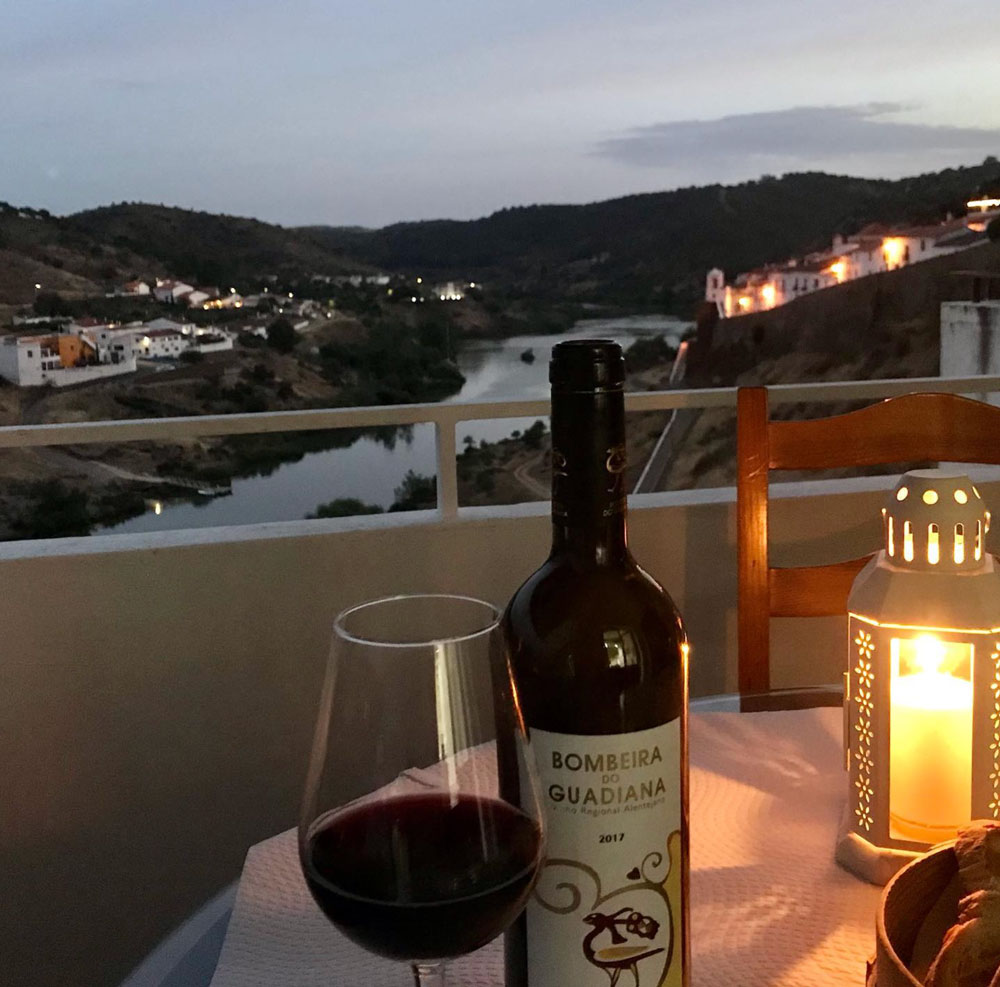
Located in Mértola, the Tamujé focuses on the typical dishes of the region, and some even say that this is the best restaurant in the Alentejo. Among the house specialties are the dogfish soups, the partridge “açorda”, the Alentejo “migas” with black pork feathers and the house-style wild boar. Those who pass by say they'll be back, both for the tasty food and for the privileged view over the River Guadiana. It's true, the space has three balconies, each with a table and a view that promises to leave memories!
Average price 15€
Opening hours
Regular hours: 12h00 - 15h00 / 19h30 - 22h00
Thursday: 12h00 - 15h00
(Closed on Sundays)
Tamuje Restaurant, Mértola
Tamuje Restaurant, Mértola
©Restaurante Tamuje
Buyer testimonials
Buyer testimonials
“We bought a flat through De Brito Properties several months ago and they have always helped us with the work, the contracts, the procedures (quickly and reliably). They have become our point of reference in Portugal and help us with all our questions. We congratulate ourselves every day for having gone through them for our purchase in Lisbon.”
Isabelle Sebah
“We bought a flat several months ago from De Brito and we were always helped with the works, the electricity, the various stages. It really is the ideal agency for a long-term property transaction!”
Florence Crisanto
"Very good experience. Very professional and reliable agency, and even more so because they helped us every step of the way, a great advantage, especially when you don't speak the language. Thanks to the whole team for their availability and friendliness."
Véronica L.
“My husband and I had great help buying a house in Azeitão. Titti Curtaz was attentive, professional, friendly and truly listened to our needs and concerns as we tried to find the right house for us. She was generous and patient. Our Portuguese is very basic and she graciously helped us translate the information between the seller and us. I highly recommend her and De Brito Properties”
Christina S.
"Professional, serious and attentive team. Very good service and good products. Ideal accompaniment!"
Jean Louis D.
"Quality service that listens to the customer. Thank you very much for helping us with our purchase and installation in Lisbon."
Bernardette Fernandes
See our selection of properties in the Lower Alentejo
See our selection of properties in the Lower Alentejo
We are your "Property Finder"
We are your "Property Finder"
Didn't find the property you're looking for on our website? Leave us your criteria and we will search the market and prepare a selection that suits your request.

