


Avenidas Novas
Avenidas Novas
A little about the history of Avenidas Novas...
1 - A bit about the history of the Avenidas Novas neighborhood...
The "Avenidas Novas" district was created at the end of the 19th century in order to extend the historic center of Lisbon. Inspired by the avenues of Paris, where the Portuguese engineer responsible for this extension, Frederico Ressano Garcia, studied, the neighborhood has the same characteristics as the large tree-lined avenues, made up of luxury buildings of 5 to 7 floors and palaces.
The Avenidas Novas development plan lasted until 1930, which explains the heterogeneity of architecture in the neighborhood. The Art Nouveau and Estado Novo styles predominate. The wave of construction in the 1970s and 1980s changed the architecture by introducing new, less glamorous concrete buildings.
Today it is home to office buildings, public administration and residential accommodation.
Daily life is very pleasant with tree-lined streets and three parks: the Gulbenkian museum, Eduardo VII park and the Praça de Espanha park.
1 - A bit about the history of the Avenidas Novas neighborhood...
The "Avenidas Novas" district was created at the end of the 19th century in order to extend the historic center of Lisbon. Inspired by the avenues of Paris, where the Portuguese engineer responsible for this extension, Frederico Ressano Garcia, studied, the neighborhood has the same characteristics as the large tree-lined avenues, made up of luxury buildings of 5 to 7 floors and palaces.
The Avenidas Novas development plan lasted until 1930, which explains the heterogeneity of architecture in the neighborhood. The Art Nouveau and Estado Novo styles predominate. The wave of construction in the 1970s and 1980s changed the architecture by introducing new, less glamorous concrete buildings.
Today it is home to office buildings, public administration and residential accommodation.
Daily life is very pleasant with tree-lined streets and three parks: the Gulbenkian museum, Eduardo VII park and the Praça de Espanha park.
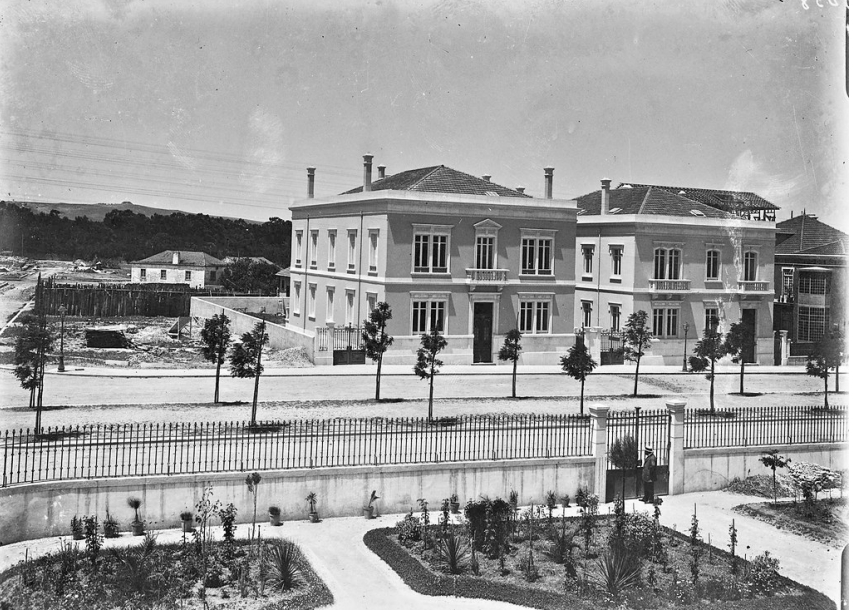
Rua de Santa Catarina, uma das antigas entradas de Lisboa © e-Chiado.pt
Avenidas Novas brings together a group of neighborhoods with their own names: Bairro Azul, São Sebastião, Saldanha, Duque de Ávila, Praça de Espanha, Parque Eduardo VII and Campo Pequeno.
a. Architecture in Avenidas Novas
The apartments generally have the same configuration and floor plan: on the long side with the living room facing the street and the kitchen to the rear, which usually opens onto a marquee, in the middle are the bedrooms with windows overlooking the interior courtyards.
In those days, this configuration made it possible to live without air conditioning; the bedrooms were in the cool of the inner courtyards! The buildings usually have elevators and parking spaces.
Avenidas Novas brings together a group of neighborhoods with their own names: Bairro Azul, São Sebastião, Saldanha, Duque de Ávila, Praça de Espanha, Parque Eduardo VII and Campo Pequeno.
a. Architecture in Avenidas Novas
The apartments generally have the same configuration and floor plan: on the long side with the living room facing the street and the kitchen to the rear, which usually opens onto a marquee, in the middle are the bedrooms with windows overlooking the interior courtyards.
In those days, this configuration made it possible to live without air conditioning; the bedrooms were in the cool of the inner courtyards! The buildings usually have elevators and parking spaces.
Avenidas Novas brings together a group of neighborhoods with their own names: Bairro Azul, São Sebastião, Saldanha, Duque de Ávila, Praça de Espanha, Parque Eduardo VII and Campo Pequeno.
a. Architecture in Avenidas Novas
The apartments generally have the same configuration and floor plan: on the long side with the living room facing the street and the kitchen to the rear, which usually opens onto a marquee, in the middle are the bedrooms with windows overlooking the interior courtyards.
In those days, this configuration made it possible to live without air conditioning; the bedrooms were in the cool of the inner courtyards! The buildings usually have elevators and parking spaces.
Avenidas Novas brings together a group of neighborhoods with their own names: Bairro Azul, São Sebastião, Saldanha, Duque de Ávila, Praça de Espanha, Parque Eduardo VII and Campo Pequeno.
a. Architecture in Avenidas Novas
The apartments generally have the same configuration and floor plan: on the long side with the living room facing the street and the kitchen to the rear, which usually opens onto a marquee, in the middle are the bedrooms with windows overlooking the interior courtyards.
In those days, this configuration made it possible to live without air conditioning; the bedrooms were in the cool of the inner courtyards! The buildings usually have elevators and parking spaces.
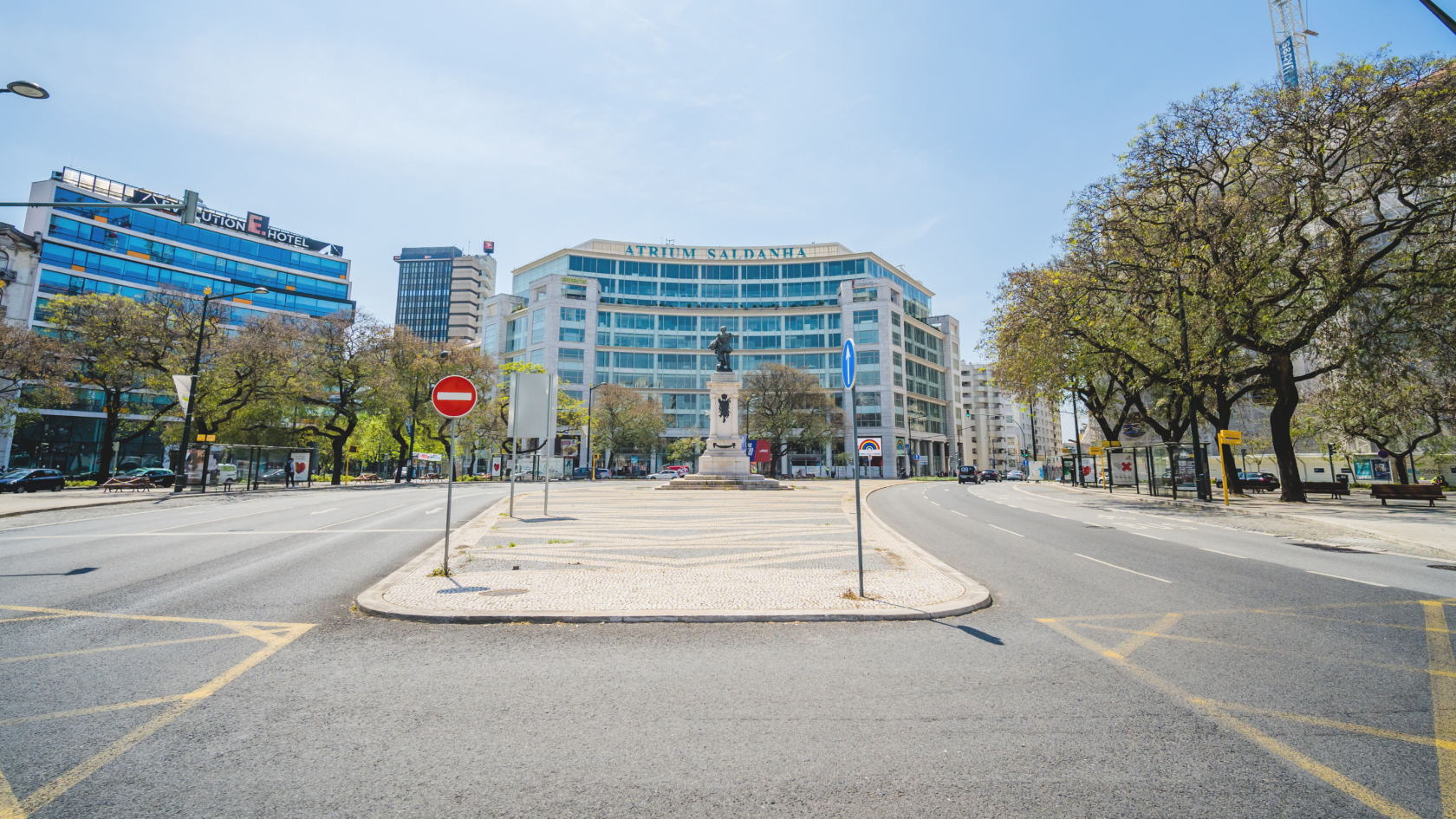
Lisbon City Plan
Palácio Nacional da Ajuda © Miguel Hugo Carriço
© The Portugal News
2- The parish of Avenidas Novas in numbers
|
Avenidas Novas |
|
|
|
|
|
|
|
|
|
|
|
|
|
|
|
|
|
|
|
|
|
|
|
|
|
|
|
|
|
|
* (Population aged 65 or over / Population under 15) * 100
** Price Report August 2024 Idealist
*** Price Report August 2024 Idealist
3- Why choose to live in Avenidas Novas?
Unlike the rest of Lisbon, the neighborhood of Avenidas Novas is flat, with bike paths; and buildings usually have parking spaces.
On every corner you'll find local cafés, restaurants, stores and supermarkets. The largest shopping gallery in central Lisbon, El Cortes Ingles, is located in the heart of the Avenidas Novas district. You can also find a modern shopping gallery in the Campo Pequeno bullring.
2- The parish of Avenidas Novas in numbers
|
Avenidas Novas |
|
|
|
|
|
|
|
|
|
|
|
|
|
|
|
|
|
|
|
|
|
|
|
|
|
|
|
|
|
|
* (Population aged 65 or over / Population under 15) * 100
** Price Report August 2024 Idealist
*** Price Report August 2024 Idealist
3- Why choose to live in Avenidas Novas?
Unlike the rest of Lisbon, the neighborhood of Avenidas Novas is flat, with bike paths; and buildings usually have parking spaces.
On every corner you'll find local cafés, restaurants, stores and supermarkets. The largest shopping gallery in central Lisbon, El Cortes Ingles, is located in the heart of the Avenidas Novas district. You can also find a modern shopping gallery in the Campo Pequeno bullring.
2- The parish of Avenidas Novas in numbers
|
Avenidas Novas |
|
|
|
|
|
|
|
|
|
|
|
|
|
|
|
|
|
|
|
|
|
|
|
|
|
|
|
|
|
|
* (Population aged 65 or over / Population under 15) * 100
** Price Report August 2024 Idealist
*** Price Report August 2024 Idealist
3- Why choose to live in Avenidas Novas?
Unlike the rest of Lisbon, the neighborhood of Avenidas Novas is flat, with bike paths; and buildings usually have parking spaces.
On every corner you'll find local cafés, restaurants, stores and supermarkets. The largest shopping gallery in central Lisbon, El Cortes Ingles, is located in the heart of the Avenidas Novas district. You can also find a modern shopping gallery in the Campo Pequeno bullring.
2- The parish of Avenidas Novas in numbers
|
Avenidas Novas |
|
|
|
|
|
|
|
|
|
|
|
|
|
|
|
|
|
|
|
|
|
|
|
|
|
|
|
|
|
|
* (Population aged 65 or over / Population under 15) * 100
** Price Report August 2024 Idealist
*** Price Report August 2024 Idealist
3- Why choose to live in Avenidas Novas?
Unlike the rest of Lisbon, the neighborhood of Avenidas Novas is flat, with bike paths; and buildings usually have parking spaces.
On every corner you'll find local cafés, restaurants, stores and supermarkets. The largest shopping gallery in central Lisbon, El Cortes Ingles, is located in the heart of the Avenidas Novas district. You can also find a modern shopping gallery in the Campo Pequeno bullring.
2- The parish of Avenidas Novas in numbers
|
Avenidas Novas |
|
|
|
|
|
|
|
|
|
|
|
|
|
|
|
|
|
|
|
|
|
|
|
|
|
|
|
|
|
|
* (Population aged 65 or over / Population under 15) * 100
** Price Report August 2025 Idealista
*** Price Report August 2025 Idealista
3- Why choose to live in Avenidas Novas?
Unlike the rest of Lisbon, the neighborhood of Avenidas Novas is flat, with bike paths; and buildings usually have parking spaces.
On every corner you'll find local cafés, restaurants, stores and supermarkets. The largest shopping gallery in central Lisbon, El Cortes Ingles, is located in the heart of the Avenidas Novas district. You can also find a modern shopping gallery in the Campo Pequeno bullring.
Pastry Shop “A Tentadora” © Universidade Nova de Lisboa
Paragraph
Alfama thus began to lose its importance and, although it wasn't affected by the earthquake, it was left behind.
by the earthquake, it was left abandoned by the central government until the 20th century - being identified
being identified as a dangerous part of the city.
Despite its decadence in the 19th century Alfama saw the emergence of a musical style that is now considered to be an intangible UNESCO intangible heritage - Fado! Born in the streets, bars and prostitution centres of
Alfama, Fado began to be heard at court and gained another kind of prominence.
With the emergence of the fado singer Amália Rodrigues, fado became internationally recognised.
recognised internationally.
Today, Alfama is one of the best known and most visited neighbourhoods in the city. Here
you can feel the neighbourhood life, you can feel the fado, you can feel the essence of Lisbon!
Paragraph
Mosteiro dos Jerónimos © Wikimedia – CC BY-SA 4.0 – Ingo Mehling (Imagem Original)
Culturally, it is one of the neighborhoods of choice. The Gulbenkian Museum is one of the capital's richest cultural centers, offering a wide variety of cultural events, classical music concerts, lectures and exhibitions. In addition to bullfights, the Campo Pequeno bullring is also used for concerts and shows.
With its central location, you'll quickly reach the main roads out of Lisbon, heading north to Cascais or Caparica (both around 30 minutes away). In addition, buses and two metro lines will take you to the historic districts in less than 10 minutes. The International Airport is also a 10-minute drive away.
The Avenidas Novas neighborhood is little known to foreigners, but it´s a neighborhood worth discovering. All its residents will tell you that it's pleasant to live there, where modernity and tradition mix.
Culturally, it is one of the neighborhoods of choice. The Gulbenkian Museum is one of the capital's richest cultural centers, offering a wide variety of cultural events, classical music concerts, lectures and exhibitions. In addition to bullfights, the Campo Pequeno bullring is also used for concerts and shows.
With its central location, you'll quickly reach the main roads out of Lisbon, heading north to Cascais or Caparica (both around 30 minutes away). In addition, buses and two metro lines will take you to the historic districts in less than 10 minutes. The International Airport is also a 10-minute drive away.
The Avenidas Novas neighborhood is little known to foreigners, but it´s a neighborhood worth discovering. All its residents will tell you that it's pleasant to live there, where modernity and tradition mix.
Culturally, it is one of the neighborhoods of choice. The Gulbenkian Museum is one of the capital's richest cultural centers, offering a wide variety of cultural events, classical music concerts, lectures and exhibitions. In addition to bullfights, the Campo Pequeno bullring is also used for concerts and shows.
With its central location, you'll quickly reach the main roads out of Lisbon, heading north to Cascais or Caparica (both around 30 minutes away). In addition, buses and two metro lines will take you to the historic districts in less than 10 minutes. The International Airport is also a 10-minute drive away.
The Avenidas Novas neighborhood is little known to foreigners, but it´s a neighborhood worth discovering. All its residents will tell you that it's pleasant to live there, where modernity and tradition mix.
Culturally, it is one of the neighborhoods of choice. The Gulbenkian Museum is one of the capital's richest cultural centers, offering a wide variety of cultural events, classical music concerts, lectures and exhibitions. In addition to bullfights, the Campo Pequeno bullring is also used for concerts and shows.
With its central location, you'll quickly reach the main roads out of Lisbon, heading north to Cascais or Caparica (both around 30 minutes away). In addition, buses and two metro lines will take you to the historic districts in less than 10 minutes. The International Airport is also a 10-minute drive away.
The Avenidas Novas neighborhood is little known to foreigners, but it´s a neighborhood worth discovering. All its residents will tell you that it's pleasant to live there, where modernity and tradition mix.
Culturally, it is one of the neighborhoods of choice. The Gulbenkian Museum is one of the capital's richest cultural centers, offering a wide variety of cultural events, classical music concerts, lectures and exhibitions. In addition to bullfights, the Campo Pequeno bullring is also used for concerts and shows.
With its central location, you'll quickly reach the main roads out of Lisbon, heading north to Cascais or Caparica (both around 30 minutes away). In addition, buses and two metro lines will take you to the historic districts in less than 10 minutes. The International Airport is also a 10-minute drive away.
The Avenidas Novas neighborhood is little known to foreigners, but it´s a neighborhood worth discovering. All its residents will tell you that it's pleasant to live there, where modernity and tradition mix.
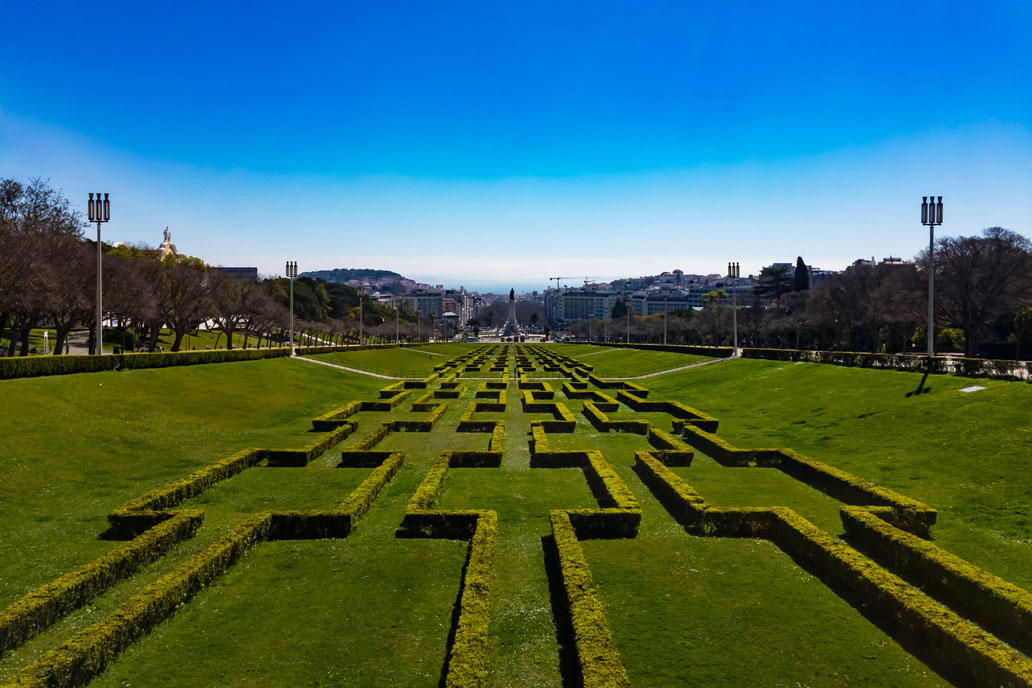
Lisbon City Plan
Palácio Nacional da Ajuda © Miguel Hugo Carriço
What to see and do in Avenidas Novas?
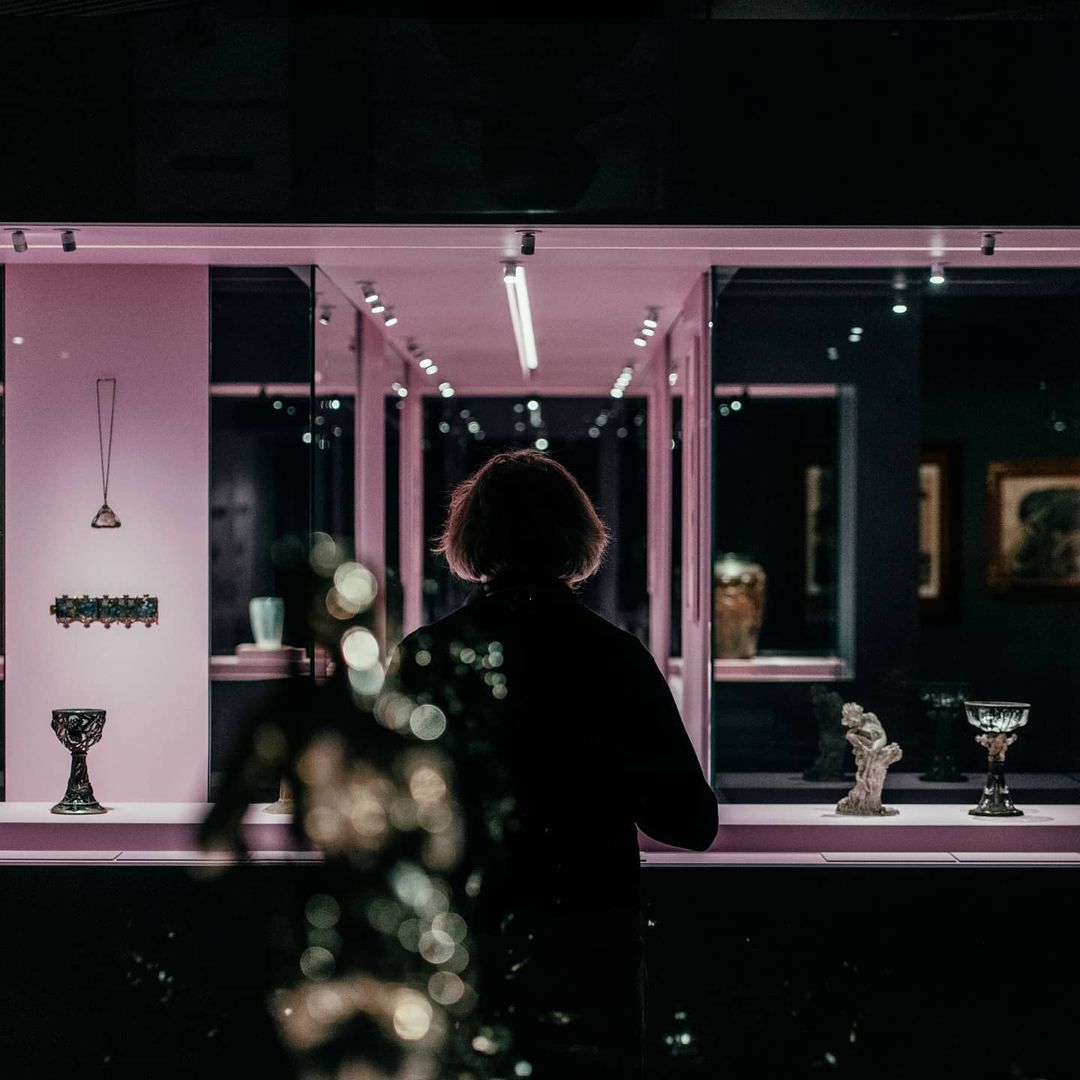
Inaugurated in 1969, the Museum houses the masterpieces of the collection assembled during Calouste Gulbenkian's lifetime. This, one of the most important private collections of international art, features paintings from the 15th, 16th, 17th and 18th centuries; pieces of sculpture from the Middle Ages to the 19th century, Renaissance tapestries, French furniture, rare manuscripts and pieces of René Lalique goldsmithery. Throughout the museum you will also find sections on Egyptian Art, Greco-Roman Art, Mesopotamian Art, Art of the Islamic East, Armenian Art and Art of the Far East.
Normal ticket price 10€
Free admission on Sundays from 2pm
Opening hours
From 10 a.m. to 6 p.m. (Closed on Tuesdays)
Inaugurated in 1969, the Museum houses the masterpieces of the collection assembled during Calouste Gulbenkian's lifetime. This, one of the most important private collections of international art, features paintings from the 15th, 16th, 17th and 18th centuries; pieces of sculpture from the Middle Ages to the 19th century, Renaissance tapestries, French furniture, rare manuscripts and pieces of René Lalique goldsmithery. Throughout the museum you will also find sections on Egyptian Art, Greco-Roman Art, Mesopotamian Art, Art of the Islamic East, Armenian Art and Art of the Far East.
Normal ticket price 10€
Free admission on Sundays from 2pm
Opening hours
From 10 a.m. to 6 p.m. (Closed on Tuesdays)
Calouste Gulbenkian Museum
Calouste Gulbenkian Museum
©Câmara Municipal de Lisboa - Jardim da Parada
©fcgulbenkian
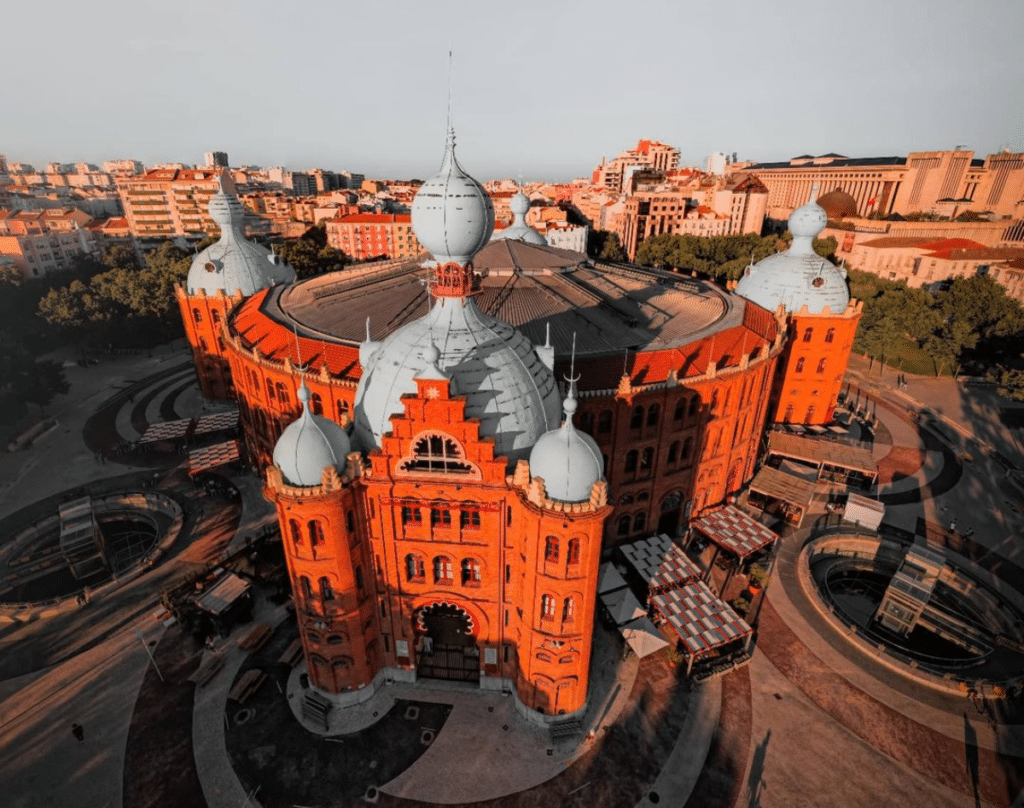
Inaugurated in 1892, the Campo Pequeno Monumental Bullring is one of the focal points of Avenidas Novas. Although originally built for bullfighting, today the building has a shopping area with a wide range of bars and restaurants, a cinema and a multipurpose concert hall. The bullfighting calendar takes place mainly in spring and summer. Find out about upcoming events here: Campo Pequeno | Agenda Find out which films are showing here: CinemaCity
Inaugurated in 1892, the Campo Pequeno Monumental Bullring is one of the focal points of Avenidas Novas. Although originally built for bullfighting, today the building has a shopping area with a wide range of bars and restaurants, a cinema and a multipurpose concert hall. The bullfighting calendar takes place mainly in spring and summer. Find out about upcoming events here: Campo Pequeno | Agenda Find out which films are showing here: CinemaCity
Opened in 1892, the Monumental Bullring of Campo Pequeno is one of the central points of Avenidas Novas. Although originally built for bullfighting, today the building has a shopping area with a wide range of bars and restaurants, a cinema and a multipurpose entertainment venue. The bullfighting calendar takes place mainly in the spring and summer. Find out about upcoming events here: Campo Pequeno | Agenda
Find out which films are showing here: CinemaCity
Inaugurated in 1892, the Campo Pequeno Monumental Bullring is one of the focal points of Avenidas Novas. Although originally built for bullfighting, today the building has a shopping area with a wide range of bars and restaurants, a cinema and a multipurpose concert hall. The bullfighting calendar takes place mainly in spring and summer. Find out about upcoming events here: Campo Pequeno | Agenda
Find out which films are showing here: CinemaCity
Campo Pequeno Monumental Bullring
Campo Pequeno Monumental Bullring
@visitlisboa
©rubenmneves
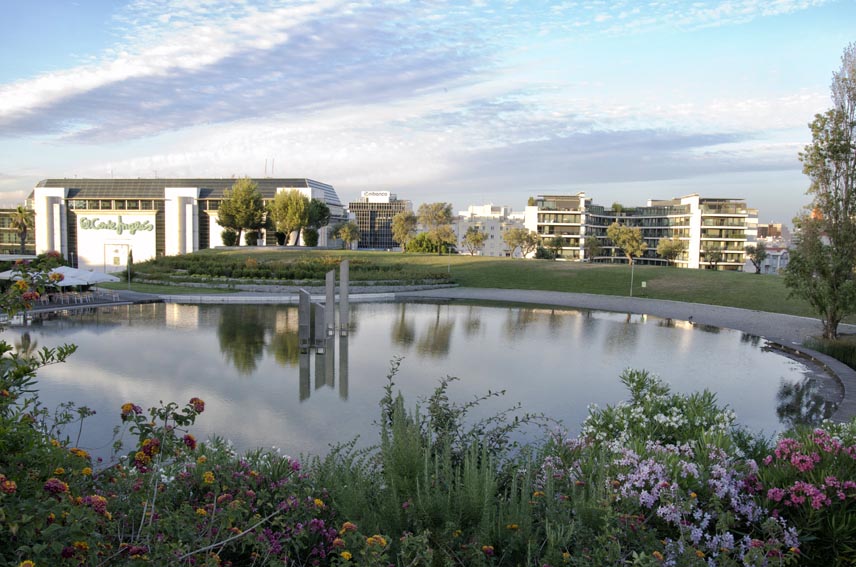
Originally called "Alto do Parque", the Amália Rodrigues Garden was inaugurated in 1996 and renamed in 2000 to pay homage to the Portuguese fado singer. The garden is located to the north of Eduardo VII Park, in one of the highest areas of Lisbon, with breathtaking views over the Tagus River and the cities on its south bank. The green space, which has several pieces of statuary, also has an amphitheater in which there is a bar with a terrace in front of a circular lake. At the highest point of the garden is a renowned restaurant.
Opening hours Bar
From 9 a.m. to 9 p.m.
Restaurant opening hours
12h30 - 15h00 / 19h30 - 22h00 (Closed on Sundays)
Average price 95 €
Originally called "Alto do Parque", the Amália Rodrigues Garden was inaugurated in 1996 and renamed in 2000 to pay homage to the Portuguese fado singer. The garden is located to the north of Eduardo VII Park, in one of the highest areas of Lisbon, with breathtaking views over the Tagus River and the cities on its south bank. The green space, which has several pieces of statuary, also has an amphitheater in which there is a bar with a terrace in front of a circular lake. At the highest point of the garden is a renowned restaurant.
Opening hours Bar
From 9 a.m. to 9 p.m.
Restaurant opening hours
12h30 - 15h00 / 19h30 - 22h00 (Closed on Sundays)
Average price 95 €
Amália Rodrigues Garden
Amália Rodrigues Garden
@casafernandopessoa
Amália Rodrigues Garden ©Dominique Cappronnier
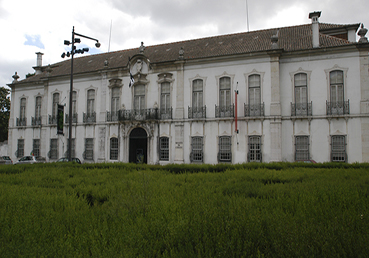
Housed in the Palácio Pimenta building, this museum illustrates the history of the city of Lisbon from the earliest times to the beginning of the 20th century. Divided into 5 sections - Palácio Pimenta, Teatro Romano, Santo António, Torreão Poente and Casa dos Bicos - the highlight is the large scale model reconstructing the city before the 1755 earthquake. You'll also find collections of paintings, ceramics, engravings, cartography, tiles and archaeology.
Normal ticket price 3€
Free entry on Sundays and public holidays until 2pm for Lisbon residents
Opening hours
From 10 a.m. to 6 p.m. (Closed on Mondays)
Housed in the Palácio Pimenta building, this museum illustrates the history of the city of Lisbon from the earliest times to the beginning of the 20th century. Divided into 5 sections - Palácio Pimenta, Teatro Romano, Santo António, Torreão Poente and Casa dos Bicos - the highlight is the large scale model reconstructing the city before the 1755 earthquake. You'll also find collections of paintings, ceramics, engravings, cartography, tiles and archaeology.
Normal ticket price 3€
Free entry on Sundays and public holidays until 2pm for Lisbon residents
Opening hours
From 10 a.m. to 6 p.m. (Closed on Mondays)
Lisbon Museum - Pimenta Palace
Lisbon Museum - Pimenta Palace
@amoreiras360view
@rodrigosimas
©visitlisboa
Where to eat and drink:
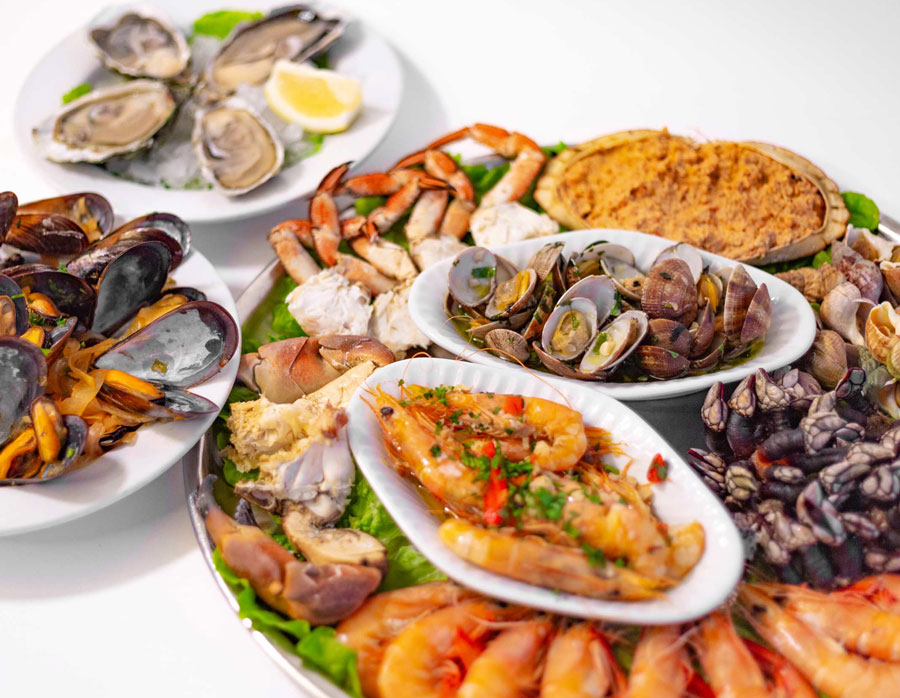
Located in the Praça de Touros building, the Baía do Peixe restaurant is the ideal place for seafood lovers. The restaurant has a pleasant terrace and a refined space inside, and among the house suggestions are the seafood rodízio and the fish rodízio. The restaurant also offers meat and vegetarian dishes.
Average price 25€
Opening hours
From 12h00 to 22h30
Located in the Praça de Touros building, the Baía do Peixe restaurant is the ideal place for seafood lovers. The restaurant has a pleasant terrace and a refined space inside, and among the house suggestions are the seafood rodízio and the fish rodízio. The restaurant also offers meat and vegetarian dishes.
Average price 25€
Opening hours
From 12h00 to 22h30
Baía do Peixe
Baía do Peixe
©Baía do Peixe
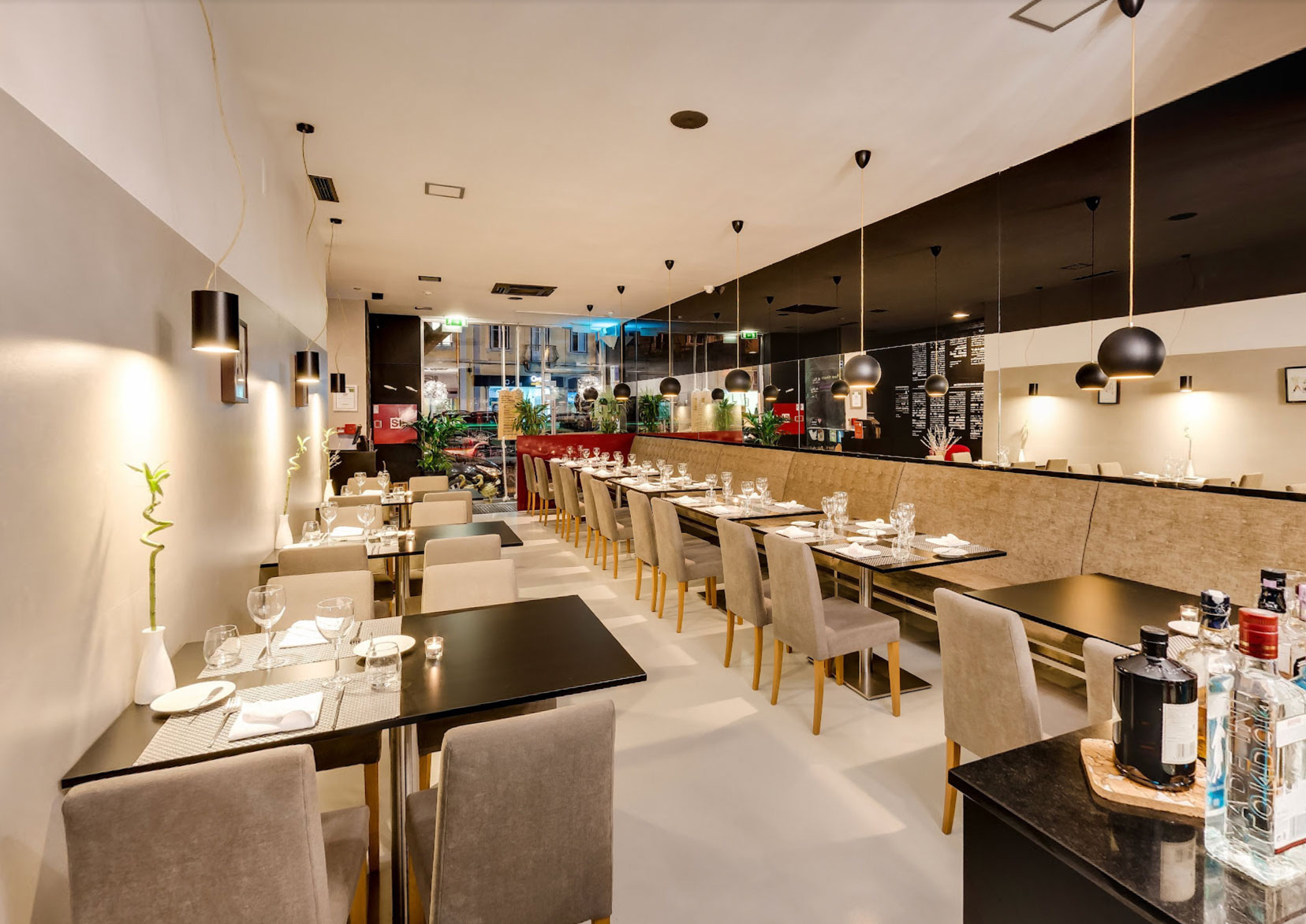
A restaurant serving traditional Portuguese food, Funil opened its doors to the public in 1971 and is one of Lisbon's classic restaurants. Among the restaurant's specialties are cozido à portuguesa (Portuguese stew), served every Saturday, and arroz de pato (duck rice), served on Fridays.
Average price 25€
Opening hours
12h00 - 15h00 / 19h30 - 23h00 (Closed on Sundays)
Funil
Funil
©Funil
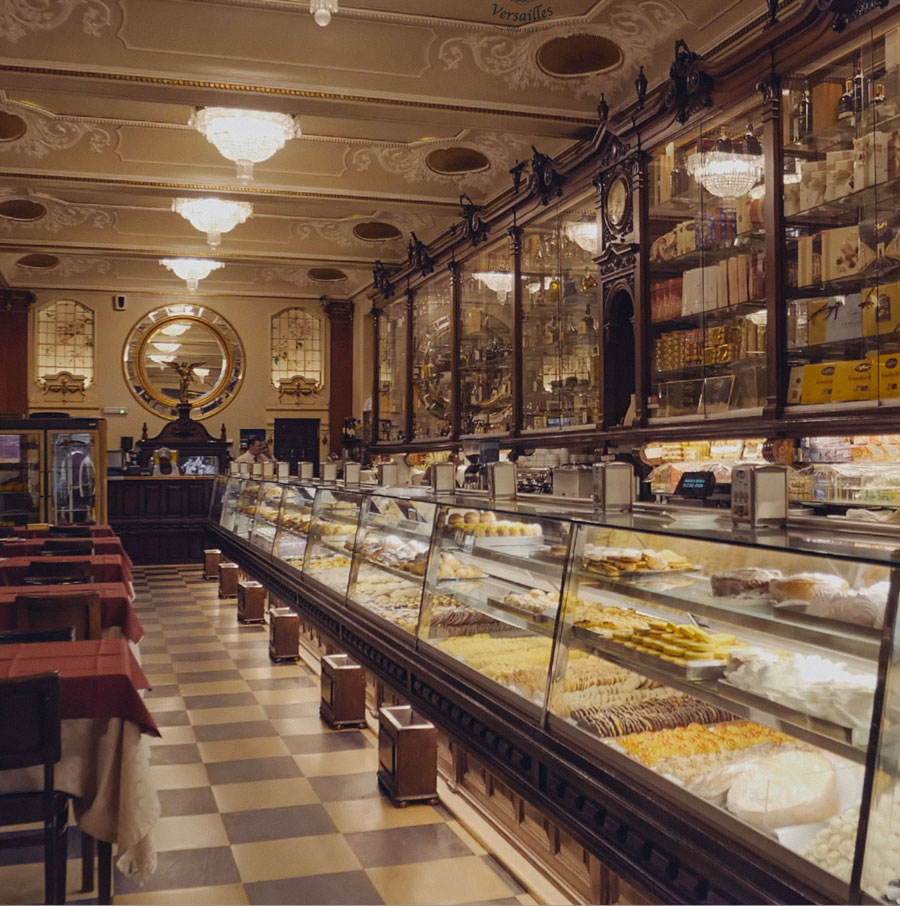
Founded in 1922, the Versailles pastry shop was the first large café in the Avenidas Novas neighborhood and instantly became a symbol of glamour in the Portuguese capital. 100 years later, the charm and refinement of its service remain. Known for its sweet delights, with a wide variety of pastries, Versailles also has a renowned restaurant with meat and fish dishes that live up to its reputation. The décor is also to be admired, with marble-covered walls, high ceilings, stained glass windows, crystal lamps and Louis XIV-style furniture - which remains almost unchanged to this day!
A timeless café!
Opening hours
From 7.15 a.m. to 9 p.m.
Founded in 1922, the Versailles pastry shop was the first large café in the Avenidas Novas neighborhood and instantly became a symbol of glamour in the Portuguese capital. 100 years later, the charm and refinement of its service remain. Known for its sweet delights, with a wide variety of pastries, Versailles also has a renowned restaurant with meat and fish dishes that live up to its reputation. The décor is also to be admired, with marble-covered walls, high ceilings, stained glass windows, crystal lamps and Louis XIV-style furniture - which remains almost unchanged to this day!
A timeless café!
Opening hours
From 7.15 a.m. to 9 p.m.
Versailles Pastry Shop
Versailles Pastry Shop
©Pastelaria Versailles
Buyer testimonials
Buyer testimonials
“We bought a flat through De Brito Properties several months ago and they have always helped us with the work, the contracts, the procedures (quickly and reliably). They have become our point of reference in Portugal and help us with all our questions. We congratulate ourselves every day for having gone through them for our purchase in Lisbon.”
Isabelle Sebah
“We bought a flat several months ago from De Brito and we were always helped with the works, the electricity, the various stages. It really is the ideal agency for a long-term property transaction!”
Florence Crisanto
"Very good experience. Very professional and reliable agency, and even more so because they helped us every step of the way, a great advantage, especially when you don't speak the language. Thanks to the whole team for their availability and friendliness."
Véronica L.
“My husband and I had great help buying a house in Azeitão. Titti Curtaz was attentive, professional, friendly and truly listened to our needs and concerns as we tried to find the right house for us. She was generous and patient. Our Portuguese is very basic and she graciously helped us translate the information between the seller and us. I highly recommend her and De Brito Properties”
Christina S.
"Professional, serious and attentive team. Very good service and good products. Ideal accompaniment!"
Jean Louis D.
"Quality service that listens to the customer. Thank you very much for helping us with our purchase and installation in Lisbon."
Bernardette Fernandes
See our selection of properties in Avenidas Novas
See our selection of properties for sale in Avenidas Novas
See our selection of properties in Avenidas Novas
See our selection of properties in Avenidas Novas
See our selection of properties for sale in Avenidas Novas
See our selection of properties in Avenidas Novas
We are your "Property Finder"
We are your "Property Finder"
Didn't find the property you're looking for on our website? Leave us your criteria and we will search the market and prepare a selection that suits your request.

