


Alfama
Alfama
A little about the history of Alfama...
1 - A bit about the history of Alfama...
The history of the Alfama neighborhood takes us back to the time of the Moors, when there were hot springs here. These springs, called "al-hammã" in Arabic, were the origin of the neighborhood's name.
It was during this period that the walls of Lisbon were built, at a time when the center of power was the Castelo de São Jorge - a castle located at the top of the city and Alfama. Located within the fortification was a more aristocratic Alfama - "Alfama do Alto"-, which communicated through the "Porta de Alfama" (Alfama Door) with a predominantly popular "Alfama do Mar".
With the conquest of Lisbon by King Afonso Henriques in the 12th century, Christian rule took place, leading to all the Moors (and Jews), considered "second-class citizens" by the latter, taking up residence in Alfama.
This transition led to the creation of a Jewish quarter, which became known as “Judiaria de Alfama” and which can still be visited today in its original form, since this neighborhood was practically unaffected by the earthquake that devastated Lisbon in 1755.
1 - A bit about the history of Alfama...
The history of the Alfama neighborhood takes us back to the time of the Moors, when there were hot springs here. These springs, called "al-hammã" in Arabic, were the origin of the neighborhood's name.
It was during this period that the walls of Lisbon were built, at a time when the center of power was the Castelo de São Jorge - a castle located at the top of the city and Alfama. Located within the fortification was a more aristocratic Alfama - "Alfama do Alto"-, which communicated through the "Porta de Alfama" (Alfama Door) with a predominantly popular "Alfama do Mar".
With the conquest of Lisbon by King Afonso Henriques in the 12th century, Christian rule took place, leading to all the Moors (and Jews), considered "second-class citizens" by the latter, taking up residence in Alfama.
This transition led to the creation of a Jewish quarter, which became known as “Judiaria de Alfama” and which can still be visited today in its original form, since this neighborhood was practically unaffected by the earthquake that devastated Lisbon in 1755.
1 - A bit about the history of Alfama...
The history of the Alfama neighborhood takes us back to the time of the Moors, when there were hot springs here. These springs, called "al-hammã" in Arabic, were the origin of the neighborhood's name.
It was during this period that the walls of Lisbon were built, at a time when the center of power was the Castelo de São Jorge - a castle located at the top of the city and Alfama. Located within the fortification was a more aristocratic Alfama - "Alfama do Alto"-, which communicated through the "Porta de Alfama" (Alfama Door) with a predominantly popular "Alfama do Mar".
With the conquest of Lisbon by King Afonso Henriques in the 12th century, Christian rule took place, leading to all the Moors (and Jews), considered "second-class citizens" by the latter, taking up residence in Alfama.
This transition led to the creation of a Jewish quarter, which became known as “Judiaria de Alfama” and which can still be visited today in its original form, since this neighborhood was practically unaffected by the earthquake that devastated Lisbon in 1755.
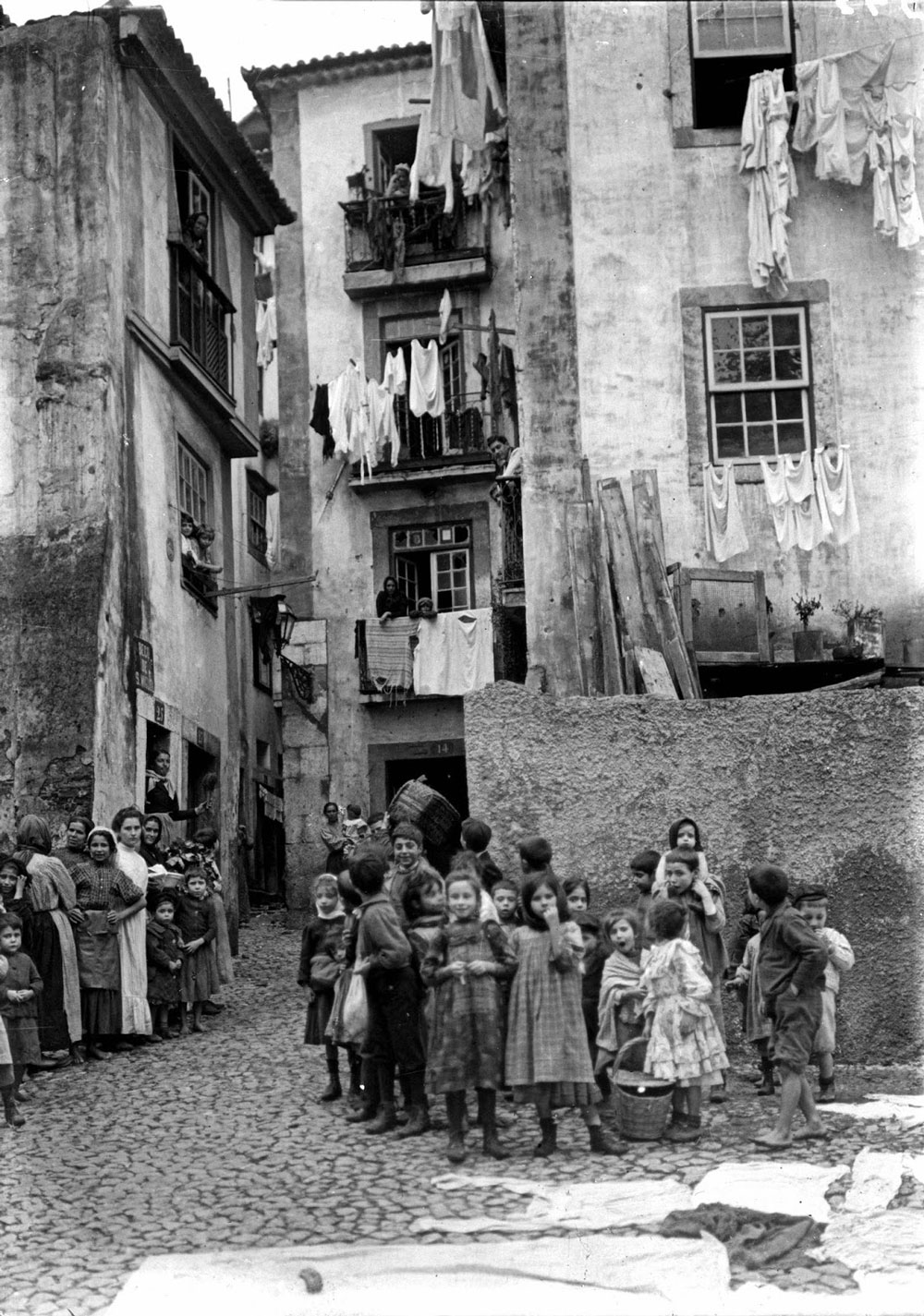
Children in Alfama © Joshua Benoliel, in AML
Alfama thus began to lose importance and, despite not being affected by the earthquake, was left abandoned by the central government until the 20th century - being identified as a dangerous part of the city.
Despite its decadence, in the 19th century Alfama saw the emergence of a musical style that is now considered intangible heritage by UNESCO - Fado! Born in the streets, bars and whorehouses of Alfama, Fado began to be heard by the court and gained another kind of prominence.
With the emergence of fado singer Amália Rodrigues, fado became internationally recognized.
Today, Alfama is one of the best known and most visited neighborhoods in the city. Here you can feel the neighborhood life, you can feel fado, you can feel the essence of Lisbon!
a. Architecture in the Alfama neighbourhood
With urban characteristics similar to those of North Africa, as a result of the period of Islamic rule, the Alfama neighbourhood reflects the model of an Arab medina.
Alfama thus began to lose importance and, despite not being affected by the earthquake, was left abandoned by the central government until the 20th century - being identified as a dangerous part of the city.
Despite its decadence, in the 19th century Alfama saw the emergence of a musical style that is now considered intangible heritage by UNESCO - Fado! Born in the streets, bars and whorehouses of Alfama, Fado began to be heard by the court and gained another kind of prominence.
With the emergence of fado singer Amália Rodrigues, fado became internationally recognized.
Today, Alfama is one of the best known and most visited neighborhoods in the city. Here you can feel the neighborhood life, you can feel fado, you can feel the essence of Lisbon!
a. Architecture in the Alfama neighbourhood
With urban characteristics similar to those of North Africa, as a result of the period of Islamic rule, the Alfama neighbourhood reflects the model of an Arab medina.
Alfama thus began to lose importance and, despite not being affected by the earthquake, was left abandoned by the central government until the 20th century - being identified as a dangerous part of the city.
Despite its decadence, in the 19th century Alfama saw the emergence of a musical style that is now considered intangible heritage by UNESCO - Fado! Born in the streets, bars and whorehouses of Alfama, Fado began to be heard by the court and gained another kind of prominence.
With the emergence of fado singer Amália Rodrigues, fado became internationally recognized.
Today, Alfama is one of the best known and most visited neighborhoods in the city. Here you can feel the neighborhood life, you can feel fado, you can feel the essence of Lisbon!
a. Architecture in the Alfama neighbourhood
With urban characteristics similar to those of North Africa, as a result of the period of Islamic rule, the Alfama neighbourhood reflects the model of an Arab medina.
Alfama thus began to lose importance and, despite not being affected by the earthquake, was left abandoned by the central government until the 20th century - being identified as a dangerous part of the city.
Despite its decadence, in the 19th century Alfama saw the emergence of a musical style that is now considered intangible heritage by UNESCO - Fado! Born in the streets, bars and whorehouses of Alfama, Fado began to be heard by the court and gained another kind of prominence.
With the emergence of fado singer Amália Rodrigues, fado became internationally recognized.
Today, Alfama is one of the best known and most visited neighborhoods in the city. Here you can feel the neighborhood life, you can feel fado, you can feel the essence of Lisbon!
a. Architecture in the Alfama neighbourhood
With urban characteristics similar to those of North Africa, as a result of the period of Islamic rule, the Alfama neighbourhood reflects the model of an Arab medina.
Alfama thus began to lose importance and, despite not being affected by the earthquake, was left abandoned by the central government until the 20th century - being identified as a dangerous part of the city.
Despite its decadence, in the 19th century Alfama saw the emergence of a musical style that is now considered intangible heritage by UNESCO - Fado! Born in the streets, bars and whorehouses of Alfama, Fado began to be heard by the court and gained another kind of prominence.
With the emergence of fado singer Amália Rodrigues, fado became internationally recognized.
Today, Alfama is one of the best known and most visited neighborhoods in the city. Here you can feel the neighborhood life, you can feel fado, you can feel the essence of Lisbon!
a. Architecture in the Alfama neighbourhood
With urban characteristics similar to those of North Africa, as a result of the period of Islamic rule, the Alfama neighbourhood reflects the model of an Arab medina.
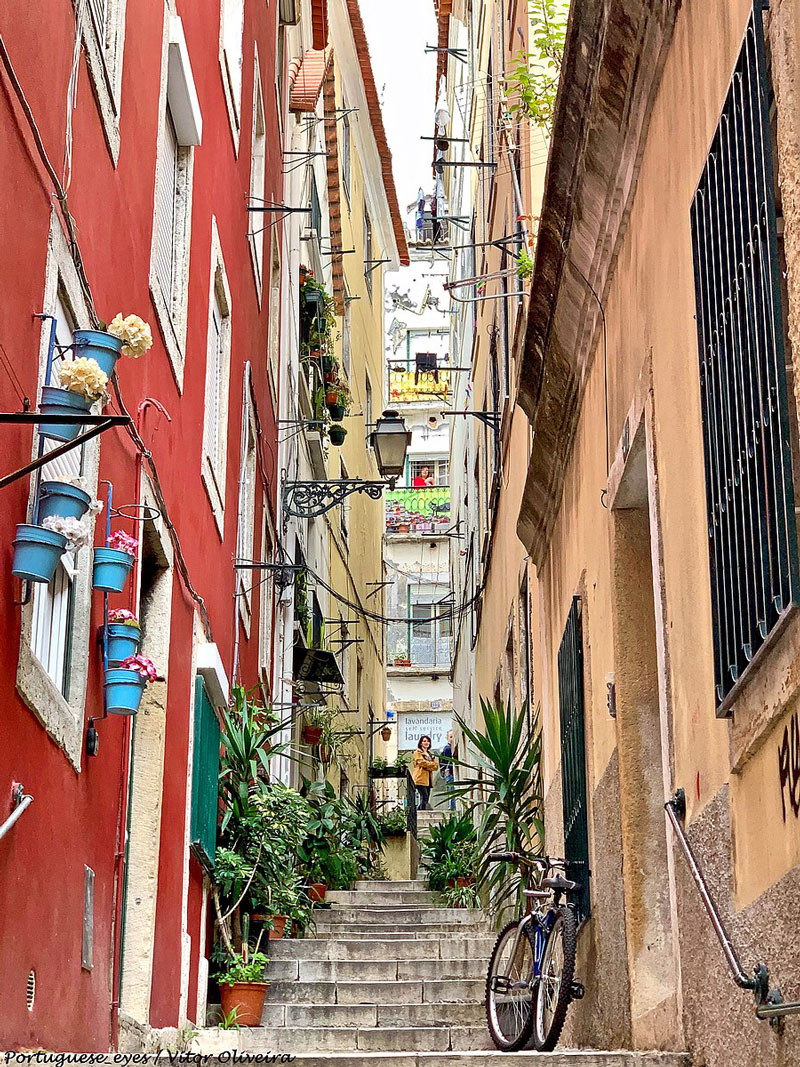
Lisbon City Plan
Streets of Alfama© Wikimedia - Vitor Oliveira (Original Image)
Here the houses are clustered around networks of alleys, staircases and lanes that make it a veritable labyrinth - just like in Islamic medinas. It's said that "if you go to Alfama and don't get lost, it's a sign that you haven't fully got to know it yet".
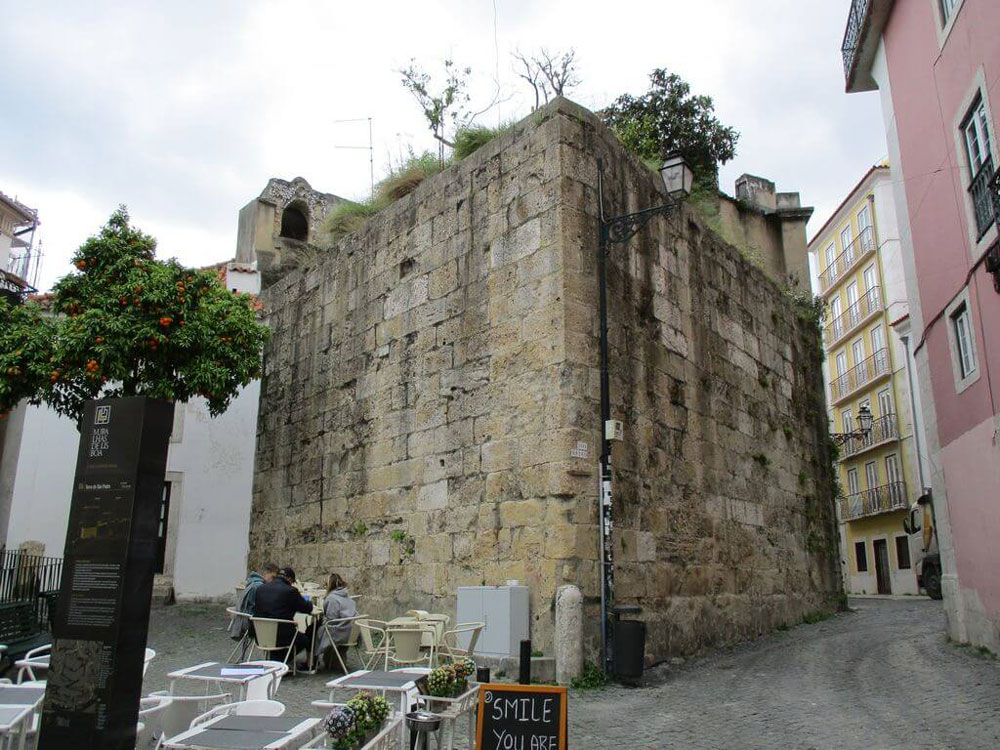
For the Muslims, it was vital that the city had good defence conditions. In this sense, sections of the so-called "Cerca Moura", Lisbon's oldest wall, are still visible in Alfama.
2 - The parish of São Vicente in numbers
|
|
|
|
|
|
|
|
|
|
|
|
|
|
|
|
|
|
|
|
|
|
|
|
|
|
|
|
|
|
|
|
* (Population aged 65 or over / Population under 15) * 100
** Price Report August 2025 Idealista
*** Price Report August 2025 Idealista
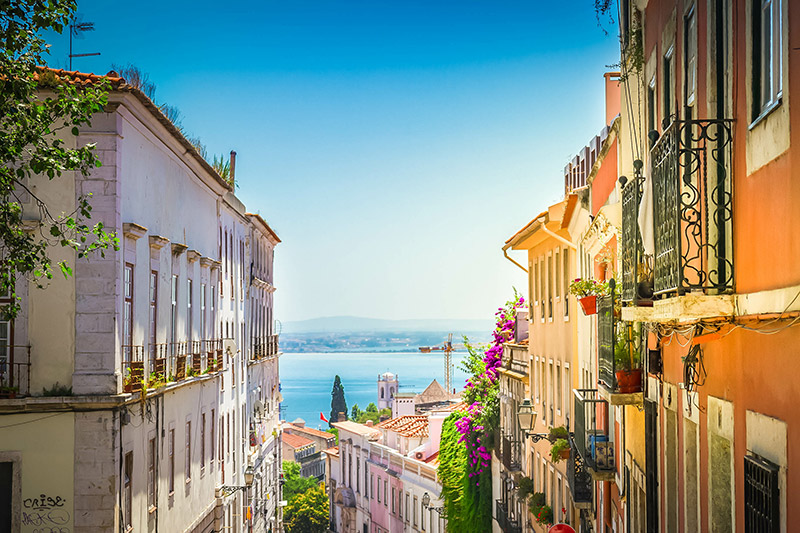
Pastry Shop “A Tentadora” © Universidade Nova de Lisboa
Paragraph
Alfama thus began to lose its importance and, although it wasn't affected by the earthquake, it was left behind.
by the earthquake, it was left abandoned by the central government until the 20th century - being identified
being identified as a dangerous part of the city.
Despite its decadence in the 19th century Alfama saw the emergence of a musical style that is now considered to be an intangible UNESCO intangible heritage - Fado! Born in the streets, bars and prostitution centres of
Alfama, Fado began to be heard at court and gained another kind of prominence.
With the emergence of the fado singer Amália Rodrigues, fado became internationally recognised.
recognised internationally.
Today, Alfama is one of the best known and most visited neighbourhoods in the city. Here
you can feel the neighbourhood life, you can feel the fado, you can feel the essence of Lisbon!
Paragraph
Stationery Shop “A Concorrente” © Universidade Nova de Lisboa
In Campo de Ourique there is quantity and quality. As you walk around the neighborhood, you'll find all kinds of stores - cafés, pastry stores, restaurants, grocery stores and a variety of stores. It is also home to some of the best schools and colleges in the city, such as the "Liceu Pedro Nunes" and the "Salesianos de Lisboa".
Campo de Ourique is very well located, in the center of the triangle formed by Amoreiras, Estrela and Prazeres. Just an 11-minute walk from Amoreiras Shopping Center and a 15-minute walk from Jardim da Estrela.
The famous streetcar 28, which runs through Lisbon's historic neighborhoods, has its last stop here, next to the Prazeres Cemetery.
Several streetcars and buses pass through the streets of Campo de Ourique throughout the day. In three years' time, the neighborhood will also have a metro station.
Foto: flickr | @abz.rec
3 - Why choose to live in Alfama?
Living in Alfama is like living in a small village amidst the hustle and bustle of a modern city.
Having retained its identity over the centuries, in Alfama you can still see clothes hanging out of the windows, see the doors of the houses open during the day and witness conversations between neighbors.
Despite the groups of tourists who pass through, Alfama is a calm, peaceful and safe place.
Being the birthplace of fado, this is where all the attention is focused on this typically Lisbon musical genre. And despite the numerous Fado houses scattered throughout the neighborhood, you can often attend sessions in its streets and alleys.
3 - Why choose to live in Alfama?
Living in Alfama is like living in a small village amidst the hustle and bustle of a modern city.
Having retained its identity over the centuries, in Alfama you can still see clothes hanging out of the windows, see the doors of the houses open during the day and witness conversations between neighbors.
Despite the groups of tourists who pass through, Alfama is a calm, peaceful and safe place.
Being the birthplace of fado, this is where all the attention is focused on this typically Lisbon musical genre. And despite the numerous Fado houses scattered throughout the neighborhood, you can often attend sessions in its streets and alleys.
3 - Why choose to live in Alfama?
Living in Alfama is like living in a small village amidst the hustle and bustle of a modern city.
Having retained its identity over the centuries, in Alfama you can still see clothes hanging out of the windows, see the doors of the houses open during the day and witness conversations between neighbors.
Despite the groups of tourists who pass through, Alfama is a calm, peaceful and safe place.
Being the birthplace of fado, this is where all the attention is focused on this typically Lisbon musical genre. And despite the numerous Fado houses scattered throughout the neighborhood, you can often attend sessions in its streets and alleys.
3 - Why choose to live in Alfama?
Living in Alfama is like living in a small village amidst the hustle and bustle of a modern city.
Having retained its identity over the centuries, in Alfama you can still see clothes hanging out of the windows, see the doors of the houses open during the day and witness conversations between neighbors.
Despite the groups of tourists who pass through, Alfama is a calm, peaceful and safe place.
Being the birthplace of fado, this is where all the attention is focused on this typically Lisbon musical genre. And despite the numerous Fado houses scattered throughout the neighborhood, you can often attend sessions in its streets and alleys.
Alfama Tower (section of Cerca Moura) © Walking
Alfama is also known internationally for its “Santos Populares” festivities, which won an award in 2016. With parties until the early hours of the morning, on June 12 and 13 Alfama becomes even more alive and cheerful.
Close to Lisbon's luxury Avenida da Liberdade (2.1 km), bohemian Bairro Alto (1.8 km) and cosmopolitan Chiado (1.5 km), Alfama enjoys a great location.
Being in the center of the city, access to the neighborhood is very easy: hop on board the famous streetcar 28 or walk a few minutes from the nearest metro stations - Santa Apolónia station (13 minutes), which has a train connection, and Baixa-Chiado station (15 minutes).
Alfama is also known internationally for its “Santos Populares” festivities, which won an award in 2016. With parties until the early hours of the morning, on June 12 and 13 Alfama becomes even more alive and cheerful.
Close to Lisbon's luxury Avenida da Liberdade (2.1 km), bohemian Bairro Alto (1.8 km) and cosmopolitan Chiado (1.5 km), Alfama enjoys a great location.
Being in the center of the city, access to the neighborhood is very easy: hop on board the famous streetcar 28 or walk a few minutes from the nearest metro stations - Santa Apolónia station (13 minutes), which has a train connection, and Baixa-Chiado station (15 minutes).
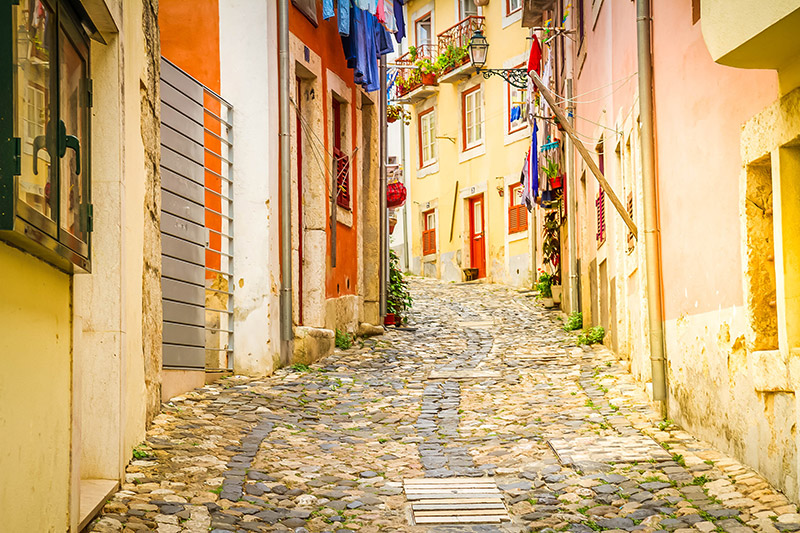
Pastry Shop “A Tentadora” © Universidade Nova de Lisboa
Paragraph
Alfama thus began to lose its importance and, although it wasn't affected by the earthquake, it was left behind.
by the earthquake, it was left abandoned by the central government until the 20th century - being identified
being identified as a dangerous part of the city.
Despite its decadence in the 19th century Alfama saw the emergence of a musical style that is now considered to be an intangible UNESCO intangible heritage - Fado! Born in the streets, bars and prostitution centres of
Alfama, Fado began to be heard at court and gained another kind of prominence.
With the emergence of the fado singer Amália Rodrigues, fado became internationally recognised.
recognised internationally.
Today, Alfama is one of the best known and most visited neighbourhoods in the city. Here
you can feel the neighbourhood life, you can feel the fado, you can feel the essence of Lisbon!
Paragraph
What to see and do in Alfama?
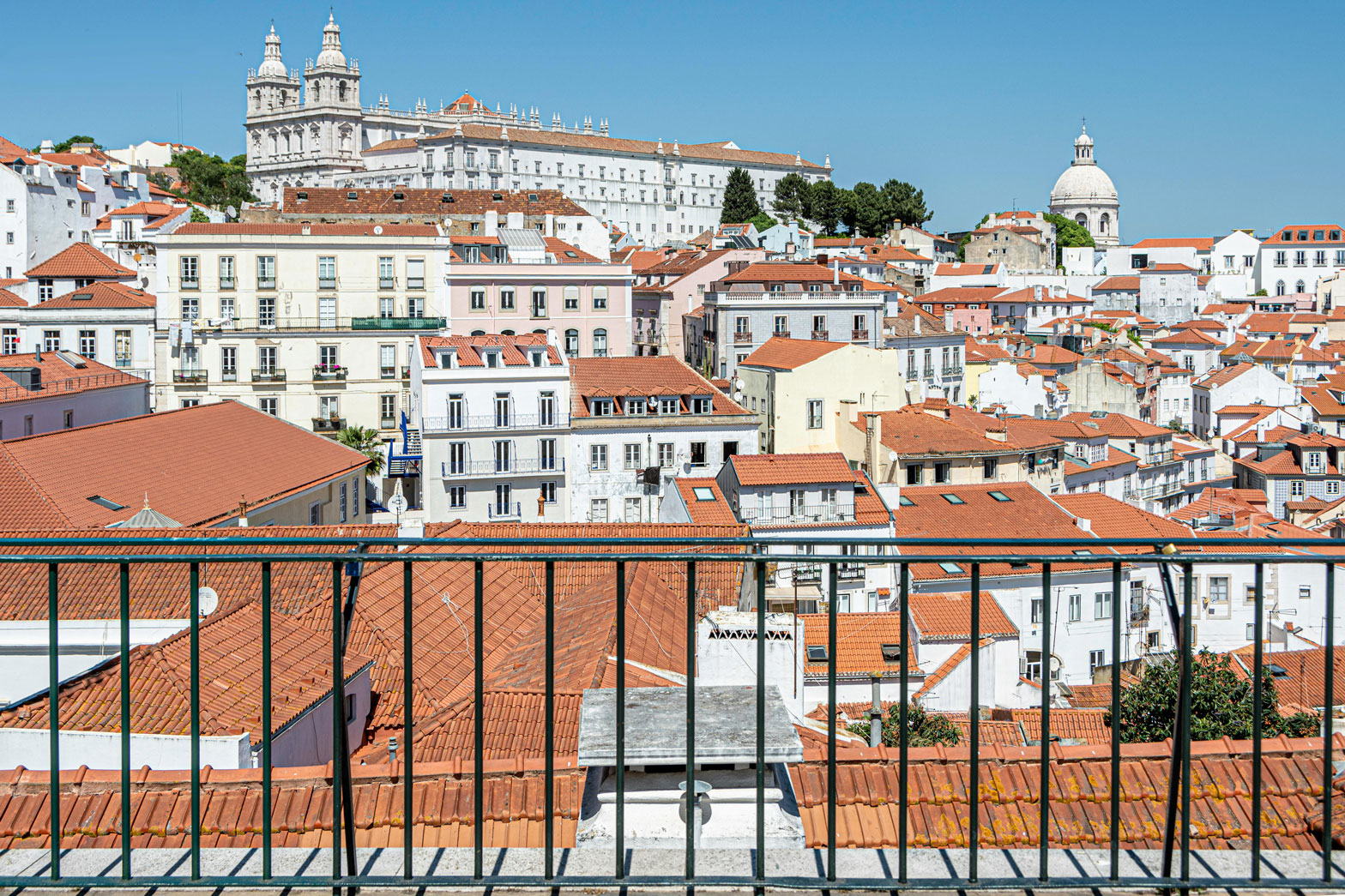
With a panoramic view over Alfama and the Tagus, the Portas do Sol viewpoint is one of the most popular in Lisbon. It is said that being at this viewpoint is "like being on a balcony at home", due to its welcoming atmosphere. The Portas do Sol viewpoint also has a bar with a terrace. Ideal for a late afternoon drink!
With a panoramic view over Alfama and the Tagus, the Portas do Sol viewpoint is one of the most popular in Lisbon. It is said that being at this viewpoint is "like being on a balcony at home", due to its welcoming atmosphere. The Portas do Sol viewpoint also has a bar with a terrace. Ideal for a late afternoon drink!
Portas do Sol Viewpoint
Portas do Sol Viewpoint
©Câmara Municipal de Lisboa - Jardim da Parada
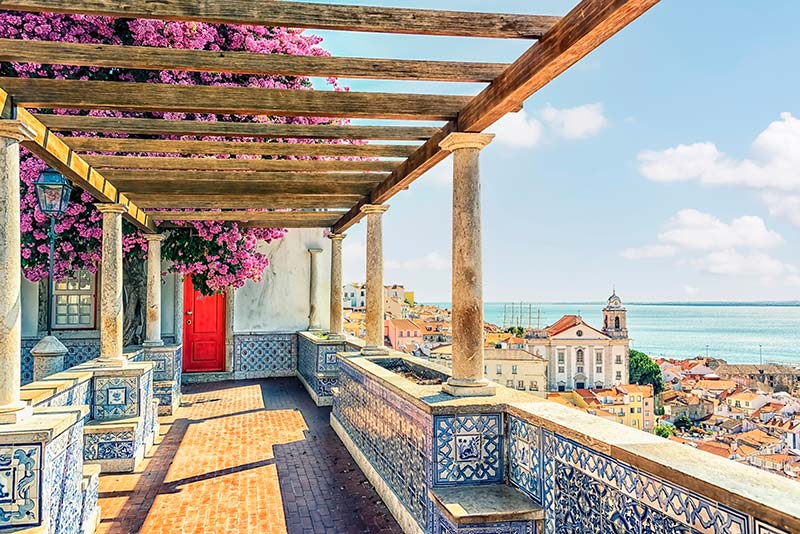
With a magnificent view over the orange roofs of Alfama and a beautiful flowered pergola, this viewpoint is one of the most romantic spots in the neighborhood. Located in front of the river, the Miradouro de Santa Luzia is divided into two levels... and if the view on the first level is dazzling, on the second is breathtaking! On the second level there is also a square with a café. In its blue tile panels, the Miradouro de Santa Luzia recreates the history of Lisbon before the earthquake of 1755 and after the reconquest of the city from the Moors.
With a magnificent view over the orange roofs of Alfama and a beautiful flowered pergola, this viewpoint is one of the most romantic spots in the neighborhood. Located in front of the river, the Miradouro de Santa Luzia is divided into two levels... and if the view on the first level is dazzling, the second is breathtaking! On the second level there is also a square with a café. In its blue tile panels, the Miradouro de Santa Luzia recreates the history of Lisbon before the earthquake of 1755 and after the reconquest of the city from the Moors.
With a magnificent view over the orange roofs of Alfama and a beautiful flowered pergola, this viewpoint is one of the most romantic spots in the neighborhood. Located in front of the river, the Miradouro de Santa Luzia is divided into two levels... and if the view on the first level is dazzling, on the second is breathtaking! On the second level there is also a square with a café. In its blue tile panels, the Miradouro de Santa Luzia recreates the history of Lisbon before the earthquake of 1755 and after the reconquest of the city from the Moors.
Santa Luzia Viewpoint
Santa Luzia Viewpoint
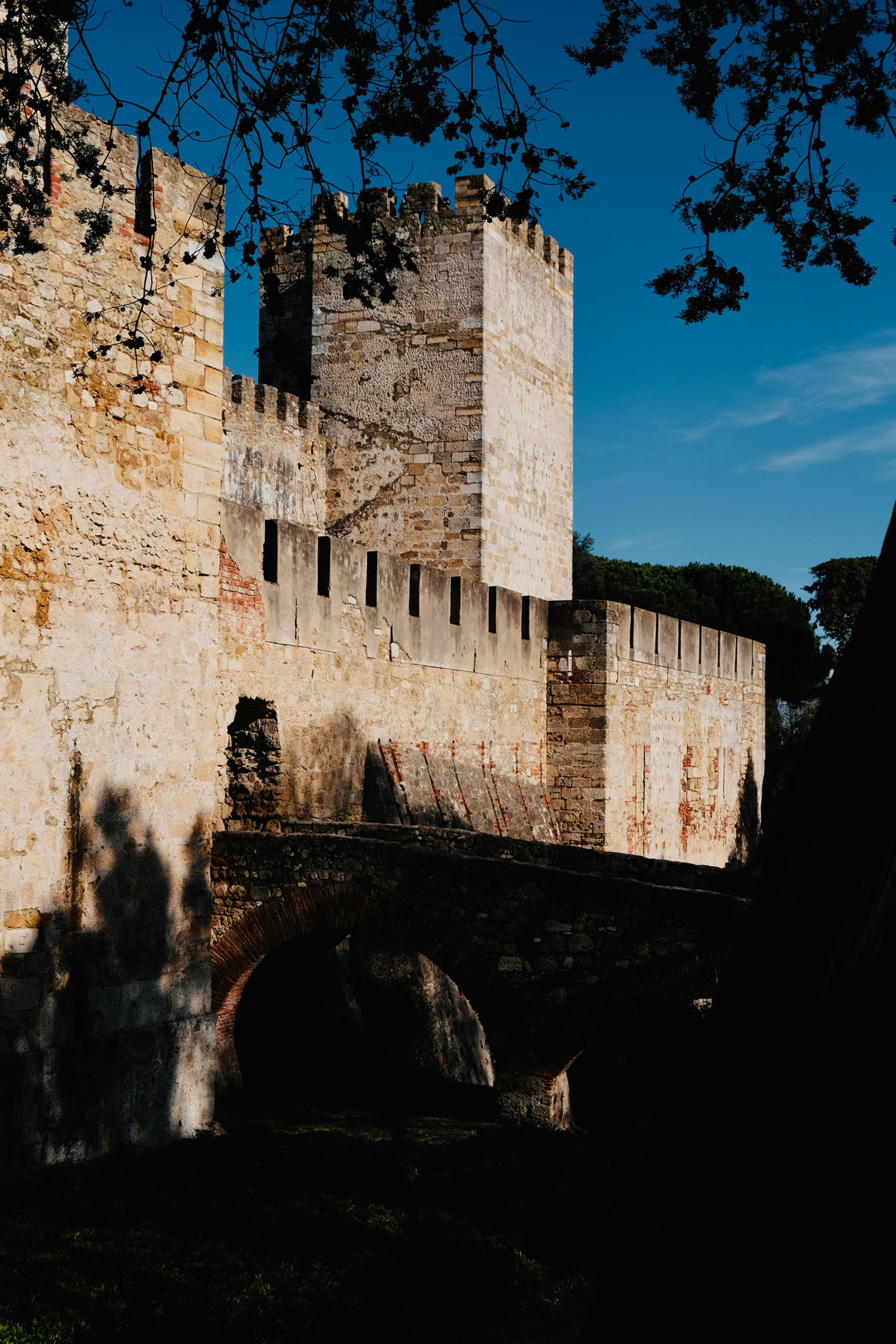
São Jorge Castle is one of Lisbon's most emblematic monuments from a historical and cultural point of view. This castle, built by the Visigoths in the 5th century, was enlarged by the Arabs in the 9th century and then modified during the reign of King Afonso Henriques. Erected on top of the highest hill in the city, São Jorge Castle includes a small museum, a bar, a restaurant, an open-air area of around 4 hectares and an extensive belvedere with one of the most beautiful views of Lisbon. After visiting the fortress, take the opportunity to stroll through the surrounding streets!
Normal ticket price 15€
Free entry for Lisbon residents.
Summer opening hours (March to October) - 9 a.m. to 9 p.m.
Winter opening hours (November to February) - 9 a.m. to 7 p.m.
São Jorge Castle
São Jorge Castle
@casafernandopessoa
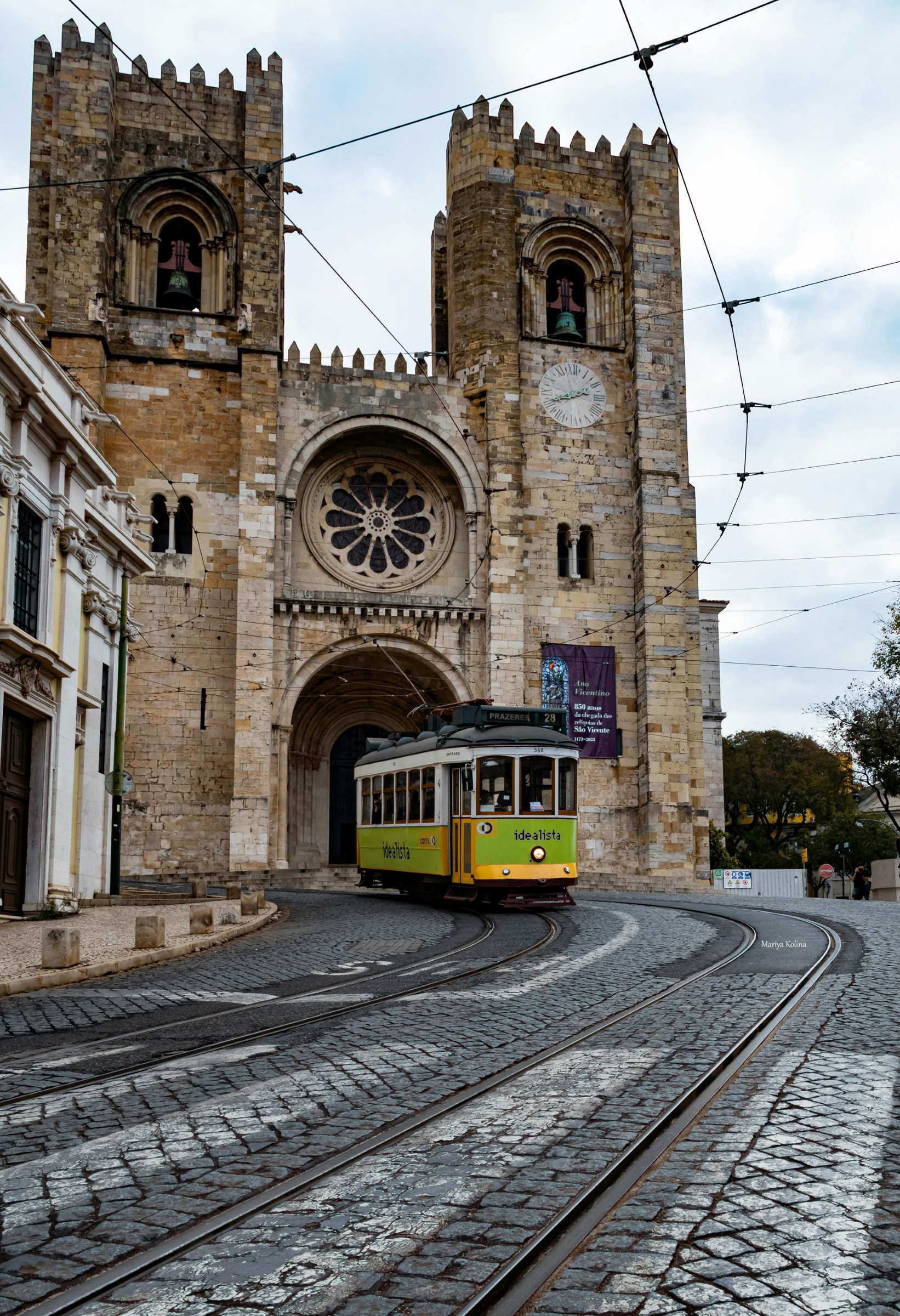
Founded in 1150, after the city was reconquered from the Moors by King Afonso Henriques, the Lisbon Cathedral is the oldest church in the Portuguese capital and is of enormous historical, architectural and religious value. The cathedral, built on the site of an old mosque, has undergone several interventions over time and has been rebuilt in a mixture of architectural styles, with Gothic, Baroque and Neoclassical details to be found here. Even so, the church retains its primitive air, reminiscent of a medieval castle. During your visit to the cathedral, you'll go up to the high choir, where you'll have a privileged view of the cathedral's interior; visit the chapel of Bartolomeu Joanes and the cloister excavations, where you'll see Roman, Arab and medieval remains, and explore the "Cathedral Treasure" exhibition, which features clothing, jewelry and relics from different eras.
Price normal ticket 5€
Winter opening hours (November to April): From 10 a.m. to 6 p.m. (Closed on Sundays)
Summer opening hours (May to October): Monday, Tuesday, Thursday and Friday: 9h30 - 19h00 | Wednesday and Saturday: 10h00 - 18h00 | Closed on Sundays.
Lisbon Cathedral
Lisbon Cathedral
@amoreiras360view
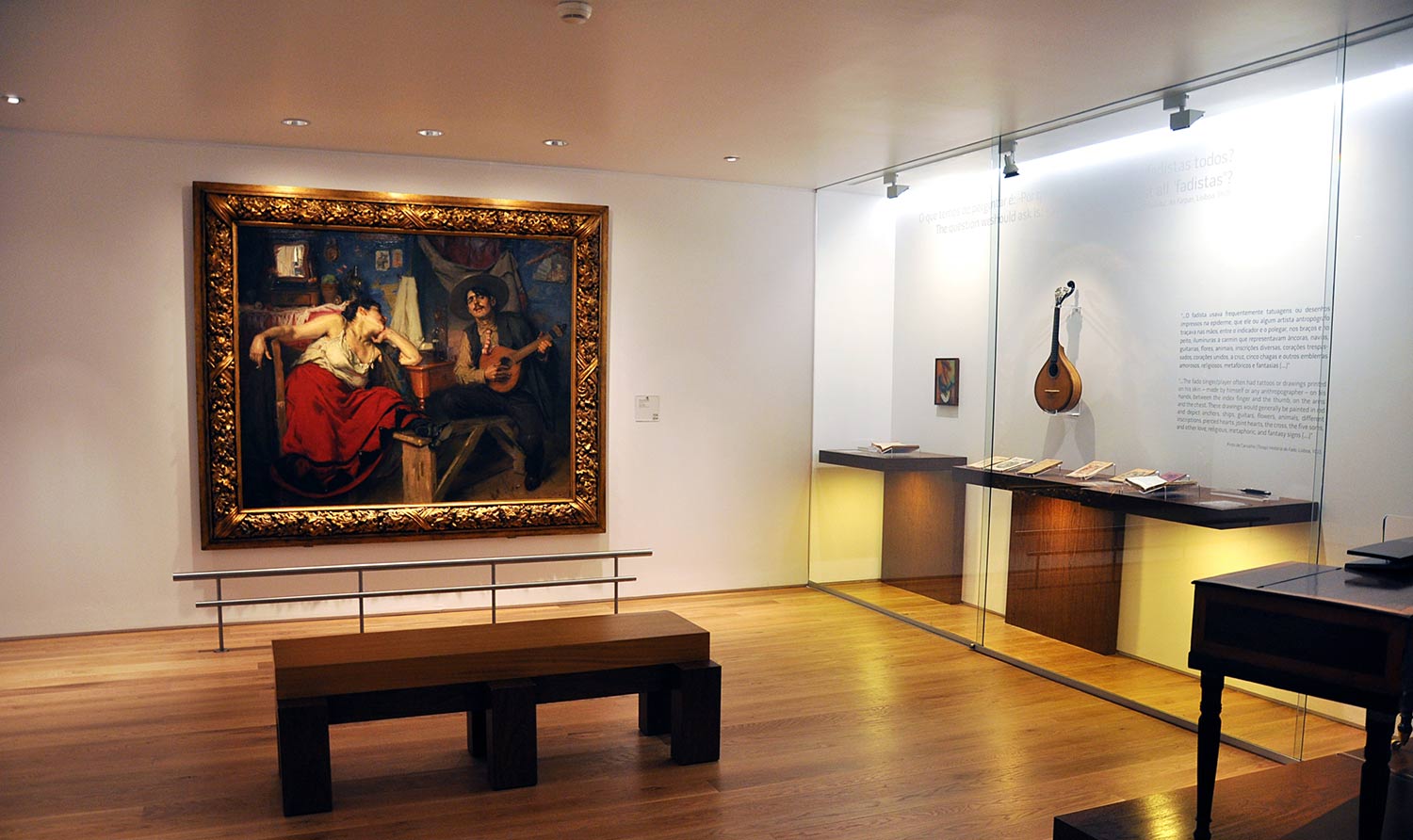
"A museum to see, hear and feel Fado!" On the doorstep of Alfama you`ll find the Fado Museum, a museum dedicated to the history of fado and the Portuguese guitar - with special emphasis on its performers. Open to the public since 1998, here you can find countless testimonies about fado, such as photographs; paintings; trophies; posters; musical instruments; repertoires; scores; costumes and much more! The museum also has a restaurant, a themed store and an area for teaching guitar.
Normal ticket price 5€
Free entry on Sundays until 2pm for Lisbon residents
Opening hours
From 10 a.m. to 6 p.m. (Closed on Mondays)
"A museum to see, hear and feel Fado!" On the doorstep of Alfama you`ll find the Fado Museum, a museum dedicated to the history of fado and the Portuguese guitar - with special emphasis on its performers. Open to the public since 1998, here you can find countless testimonies about fado, such as photographs; paintings; trophies; posters; musical instruments; repertoires; scores; costumes and much more! The museum also has a restaurant, a themed store and an area for teaching guitar.
Normal ticket price 5€ | Free entry on Sundays until 2pm for Lisbon residents
Opening hours From 10 a.m. to 6 p.m. (Closed on Mondays)
"A museum to see, hear and feel Fado!". On the doorstep of Alfama you'll find the Fado Museum, a museum dedicated to the history of fado and the Portuguese guitar - with special emphasis on its performers. Open to the public since 1998, here you can find countless testimonies about fado, such as photographs; paintings; trophies; posters; musical instruments; repertoires; scores; costumes and much more! The museum also has a restaurant, a themed store and an area for teaching guitar.
Normal ticket price 5€
Free entry on Sundays until 2pm for Lisbon residents
Opening hours
From 10 a.m. to 6 p.m. (Closed on Mondays)
Fado Museum
Fado Museum
©visitlisboa
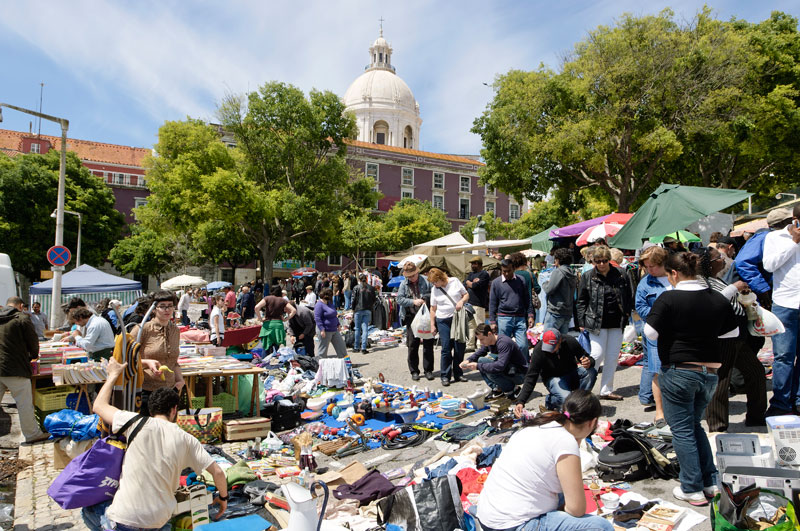
Feira da Ladra is Lisbon's largest and most popular street market. This fair, traditionally dedicated to the trade of used objects, takes place in Alfama every Tuesday and Saturday, in the Santa Clara field. Among the antiques and vintage items, you'll find clothes, jewelry, toys, books, handicrafts and even furniture!
Feira da Ladra is Lisbon's largest and most popular street market. This fair, traditionally dedicated to the trade of used objects, takes place in Alfama every Tuesday and Saturday, in the Santa Clara field. Among the antiques and vintage items, you'll find clothes, jewelry, toys, books, handicrafts and even furniture!
Feira da Ladra is Lisbon's largest and most popular street market. This fair, traditionally dedicated to the trade of used objects, takes place in Alfama every Tuesday and Saturday, in the Santa Clara field. Among the antiques and vintage items, you'll find clothes, jewelry, toys, books, handicrafts and even furniture!
Feira da Ladra is Lisbon's largest and most popular street market. This fair, traditionally dedicated to the trade of used objects, takes place in Alfama every Tuesday and Saturday, in the Santa Clara field. Among the antiques and vintage items, you'll find clothes, jewelry, toys, books, handicrafts and even furniture!
Feira da Ladra
Feira da Ladra
©luissm_photography
Where to eat and drink:
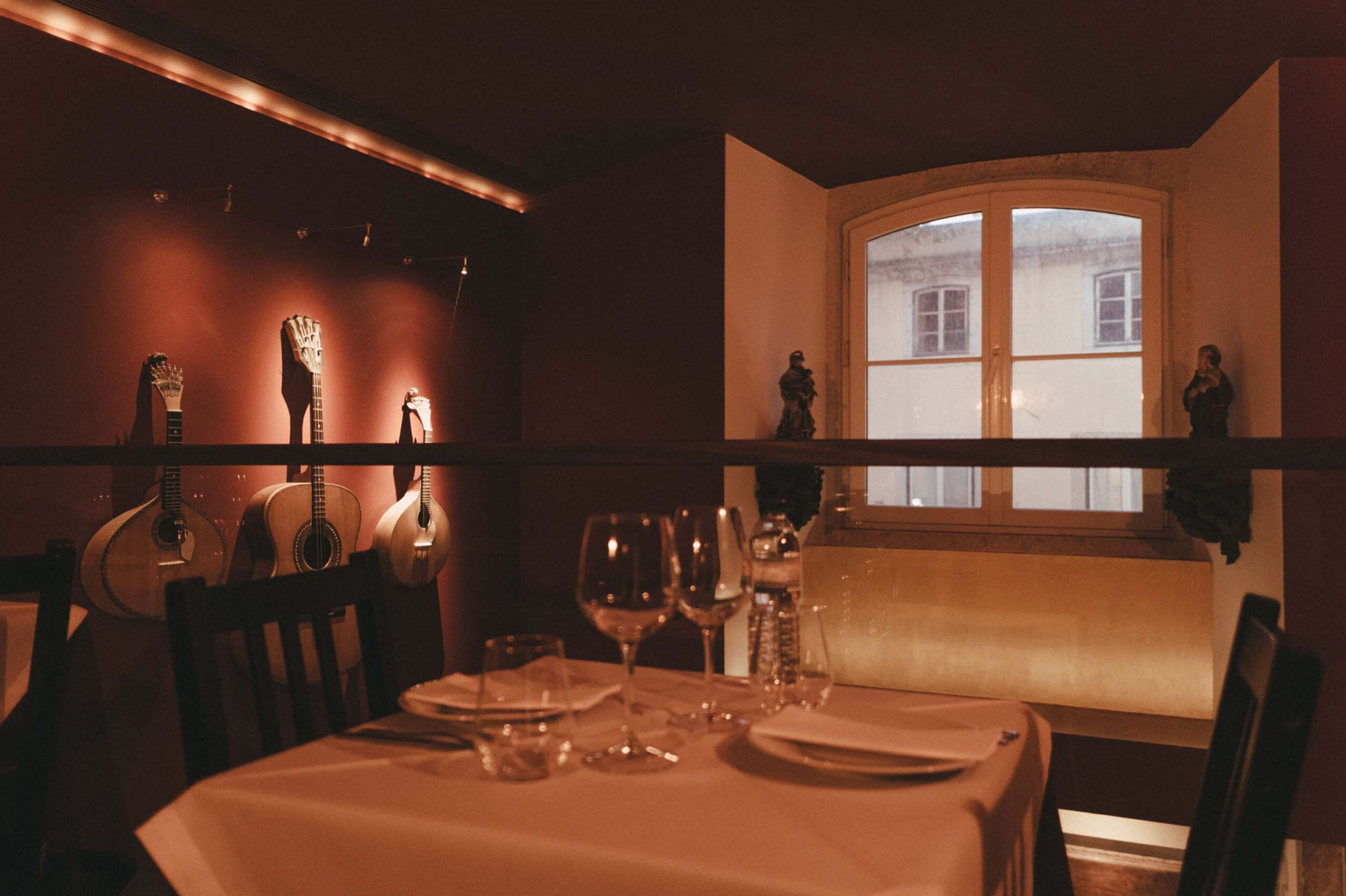
In the space of an old chapel decorated with original 18th century tiles, the Mesa de Frades restaurant is a must on the "fado itinerary" of Alfama. Here, established fado voices and new generation fado singers come together in a place where informality is the law. Dinner starts at 8pm, with a menu that takes in various flavors of Portuguese cuisine. After 11pm, the lights go out, the candles are lit on the tables and there`s silence... the fado is going to be sung!
Average price 60€
Opening hours From 8.30 p.m. to 2 a.m. (Closed on Sundays)
In the space of an old chapel decorated with original 18th century tiles, the Mesa de Frades restaurant is a must on the "fado itinerary" of Alfama. Here, established fado voices and new generation fado singers come together in a place where informality is the law. Dinner starts at 8pm, with a menu that takes in various flavors of Portuguese cuisine. After 11pm, the lights go out, the candles are lit on the tables and there's silence... the fado is going to be sung!
Average price 60€
Opening hours From 8.30 p.m. to 2 a.m. (Closed on Sundays)
Mesa de Frades
Mesa de Frades
©Mesa de Frades
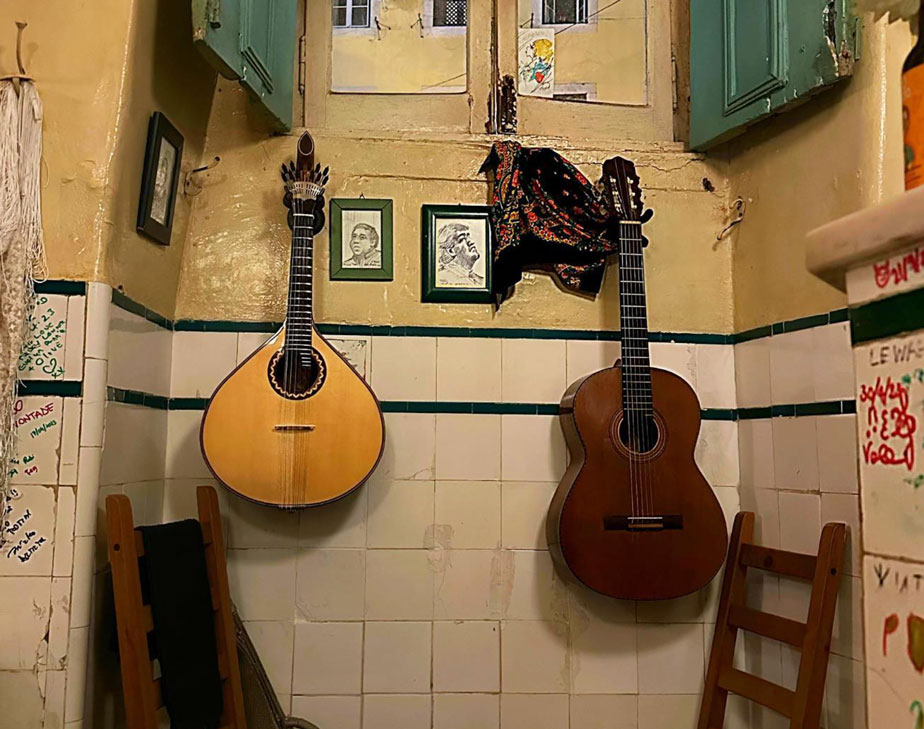
When you dine at Baiuca you´ll have one of the most unique fado experiences in Lisbon! Fado here is "vadio", which means that anyone can get up and perform. Unlike most fado houses, at Baiuca the cooks swap kitchen duties for the spotlight, local residents offer their own versions of famous fado songs and members of the public are invited to sing at the top of their lungs! This small tavern has just 6 tables and serves traditional Portuguese cuisine. It is said that anyone who enters feels "the true spirit of fado, feels Lisbon, its music, its sensations, its smells..."!
Average price 25€
Opening hours From 20h00 to 00h00
When you dine at Baiuca you'll have one of the most unique fado experiences in Lisbon! Fado here is "vadio", which means that anyone can get up and perform. Unlike most fado houses, at Baiuca the cooks swap kitchen duties for the spotlight, local residents offer their own versions of famous fado songs and members of the public are invited to sing at the top of their lungs! This small tavern has just 6 tables and serves traditional Portuguese cuisine. It is said that anyone who enters feels "the true spirit of fado, feels Lisbon, its music, its sensations, its smells..."!
Average price 25€
Opening hours
From 20h00 to 00h00
When you dine at Baiuca you'll have one of the most unique fado experiences in Lisbon! Fado here is "vadio", which means that anyone can get up and perform. Unlike most fado houses, at Baiuca the cooks swap kitchen duties for the spotlight, local residents offer their own versions of famous fado songs and members of the public are invited to sing at the top of their lungs! This small tavern has just 6 tables and serves traditional Portuguese cuisine. It is said that anyone who enters feels "the true spirit of fado, feels Lisbon, its music, its
sensations, its smells..."!
Average price 25€
Opening hours From 20h00 to 00h00
When you dine at Baiuca you'll have one of the most unique fado experiences in Lisbon! Fado here is "vadio", which means that anyone can get up and perform. Unlike most fado houses, at Baiuca the cooks swap kitchen duties for the spotlight, local residents offer their own versions of famous fado songs and members of the public are invited to sing at the top of their lungs! This small tavern has just 6 tables and serves traditional Portuguese cuisine. It is said that anyone who enters feels "the true spirit of fado, feels Lisbon, its music, its sensations, its smells..."!
Average price 25€
Opening hours
From 20h00 to 00h00
Baiuca
Baiuca
©Baiuca
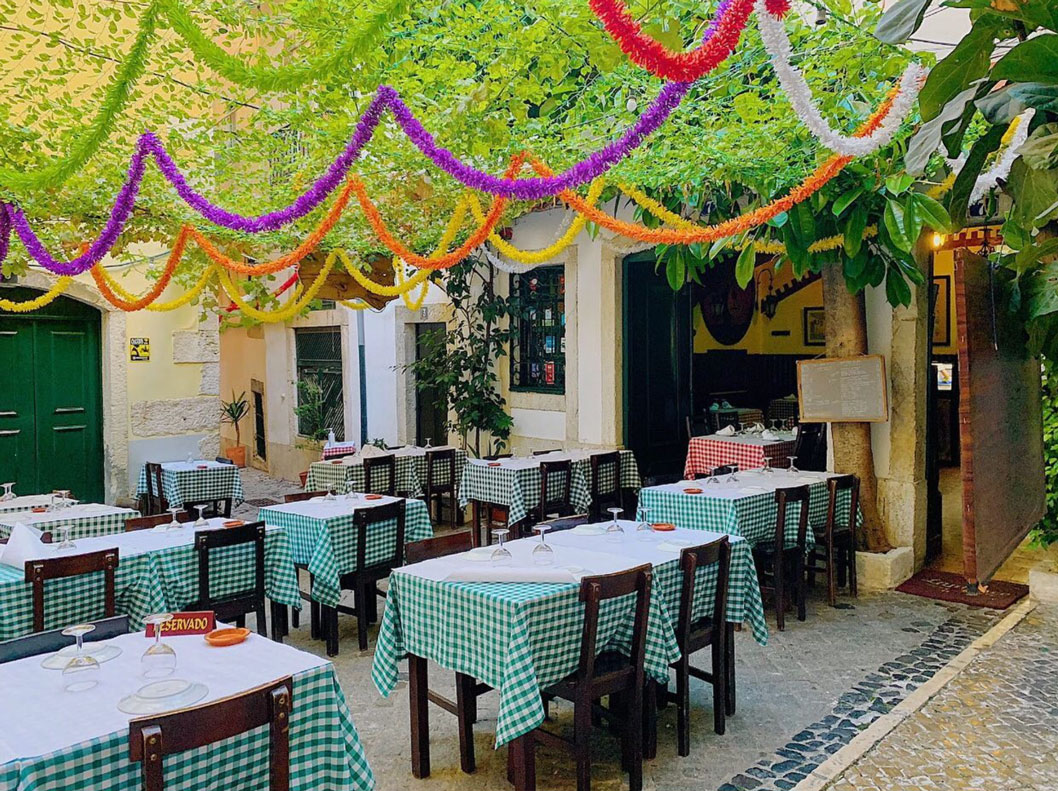
Known for its patio, decorated with colorful garlands, LauTasco is one of the most typical and picturesque restaurants in Alfama. It serves Portuguese food in a cozy atmosphere and some say it`s home to the best grilled sardines in town! A unique corner!
Average price 15€ - 30€
Opening hours 12h00 - 15h00 / 19h00 - 22h30 (Closed on Sundays)
Known for its patio, decorated with colorful garlands, LauTasco is one of the most typical and picturesque restaurants in Alfama. It serves Portuguese food in a cozy atmosphere and some say it's home to the best grilled sardines in town! A unique corner!
Average price 15€ - 30€
Opening hours 12h00 - 15h00 / 19h00 - 22h30 (Closed on Sundays)
LauTasco
LauTasco
©LauTasco
Buyer testimonials
Buyer testimonials
“We bought a flat through De Brito Properties several months ago and they have always helped us with the work, the contracts, the procedures (quickly and reliably). They have become our point of reference in Portugal and help us with all our questions. We congratulate ourselves every day for having gone through them for our purchase in Lisbon.”
Isabelle Sebah
“We bought a flat several months ago from De Brito and we were always helped with the works, the electricity, the various stages. It really is the ideal agency for a long-term property transaction!”
Florence Crisanto
"Very good experience. Very professional and reliable agency, and even more so because they helped us every step of the way, a great advantage, especially when you don't speak the language. Thanks to the whole team for their availability and friendliness."
Véronica L.
“My husband and I had great help buying a house in Azeitão. Titti Curtaz was attentive, professional, friendly and truly listened to our needs and concerns as we tried to find the right house for us. She was generous and patient. Our Portuguese is very basic and she graciously helped us translate the information between the seller and us. I highly recommend her and De Brito Properties”
Christina S.
"Professional, serious and attentive team. Very good service and good products. Ideal accompaniment!"
Jean Louis D.
"Quality service that listens to the customer. Thank you very much for helping us with our purchase and installation in Lisbon."
Bernardette Fernandes
See our selection of properties in Alfama
See our selection of properties in Alfama
We are your "Property Finder"
We are your "Property Finder"
Didn't find the property you're looking for on our website? Leave us your criteria and we will search the market and prepare a selection that suits your request.

