


Central Alentejo
Central Alentejo
A little about the history of Central Alentejo...
1 - A bit about the history of Central Alentejo...
Located in the heart of the Alentejo, Central Alentejo is an area rich in history and tradition.
In the Neolithic period, around the 5th millennium BC, the first farming communities appeared in the area. These civilizations left an admirable legacy of megalithic monuments, such as the Cromeleque dos Almendres and the Anta Grande do Zambujeiro.
The Roman presence also left an indelible mark on the region. One of the main cities in the Alentejo, the city of Évora (Ebora Liberalitas Julia), was established by the Romans and became an important administrative and cultural center. Testimonies of that time include the Roman Temple of Évora and the Cerca Velha (Walls of Évora).
With the fall of the Roman Empire, Central Alentejo was invaded by the Visigoths and later by the Moors. The Moors built fortifications, palaces and mosques in the area and were responsible for introducing new irrigation techniques.
In the 12th century, Central Alentejo was reconquered by the Christians. This reconquest brought significant changes, with the construction of castles and fortresses and the promotion of agriculture and trade.
1 - A bit about the history of Central Alentejo...
Located in the heart of the Alentejo, Central Alentejo is an area rich in history and tradition.
In the Neolithic period, around the 5th millennium BC, the first farming communities appeared in the area. These civilizations left an admirable legacy of megalithic monuments, such as the Cromeleque dos Almendres and the Anta Grande do Zambujeiro.
The Roman presence also left an indelible mark on the region. One of the main cities in the Alentejo, the city of Évora (Ebora Liberalitas Julia), was established by the Romans and became an important administrative and cultural center. Testimonies of that time include the Roman Temple of Évora and the Cerca Velha (Walls of Évora).
With the fall of the Roman Empire, Central Alentejo was invaded by the Visigoths and later by the Moors. The Moors built fortifications, palaces and mosques in the area and were responsible for introducing new irrigation techniques.
In the 12th century, Central Alentejo was reconquered by the Christians. This reconquest brought significant changes, with the construction of castles and fortresses and the promotion of agriculture and trade.
1 - A bit about the history of Central Alentejo...
Located in the heart of the Alentejo, Central Alentejo is an area rich in history and tradition.
In the Neolithic period, around the 5th millennium BC, the first farming communities appeared in the area. These civilizations left an admirable legacy of megalithic monuments, such as the Cromeleque dos Almendres and the Anta Grande do Zambujeiro.
The Roman presence also left an indelible mark on the region. One of the main cities in the Alentejo, the city of Évora (Ebora Liberalitas Julia), was established by the Romans and became an important administrative and cultural center. Testimonies of that time include the Roman Temple of Évora and the Cerca Velha (Walls of Évora).
With the fall of the Roman Empire, Central Alentejo was invaded by the Visigoths and later by the Moors. The Moors built fortifications, palaces and mosques in the area and were responsible for introducing new irrigation techniques.
In the 12th century, Central Alentejo was reconquered by the Christians. This reconquest brought significant changes, with the construction of castles and fortresses and the promotion of agriculture and trade.
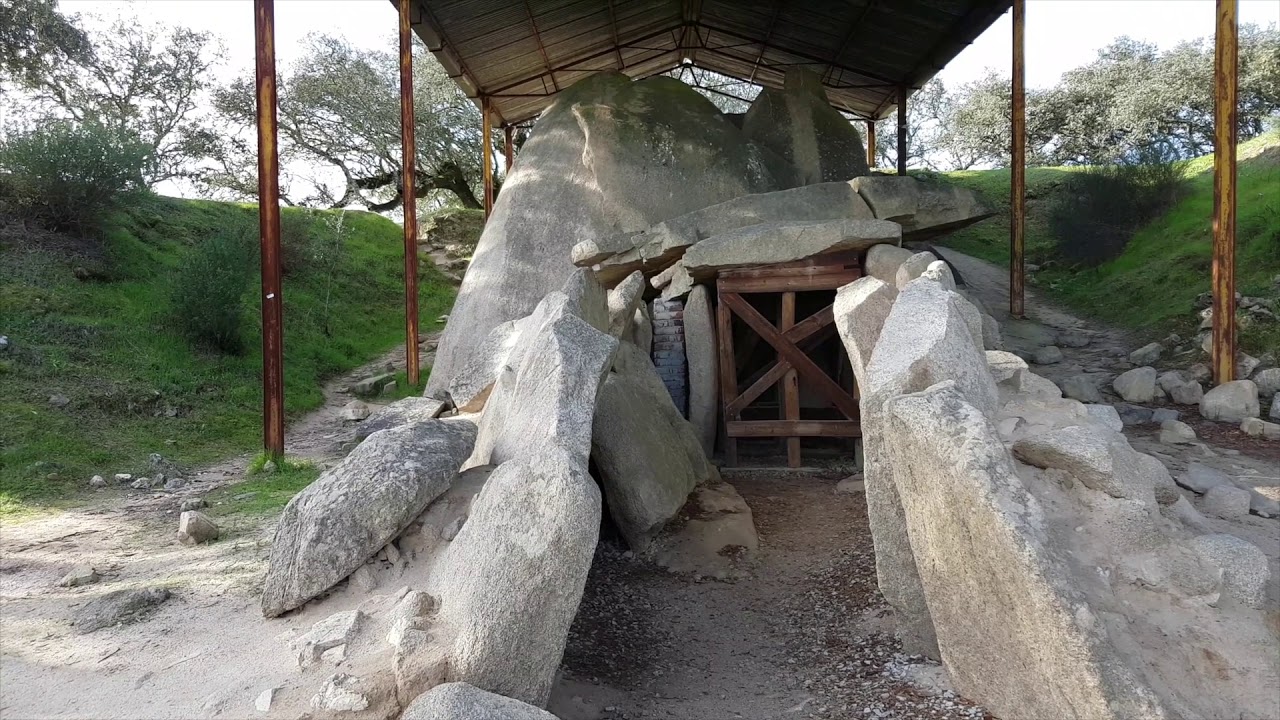
Anta Grande do Zambujeiro © Câmara Municipal de Évora
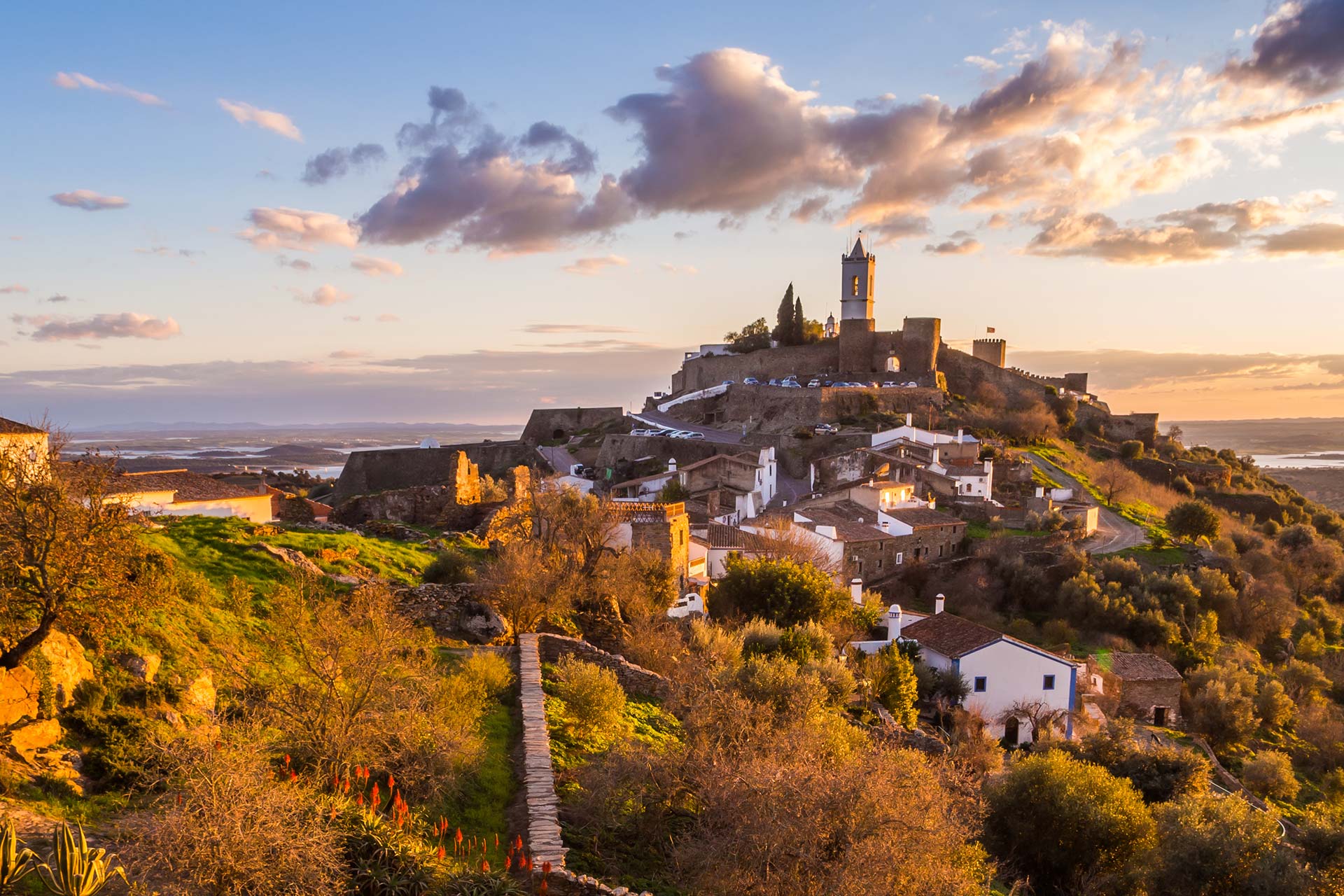
Monsaraz Castle, built in 1310 by King Dinis, is today a unique tourist attraction in Portugal, offering an impressive view over Lake Alqueva, the largest artificial lake in Europe.
During the Age of Discovery, Central Alentejo became an important financier of Portuguese sea voyages - thanks to the great wealth generated by the production of wheat, cork and wine.
Today, the region is known for its stunning and extensive landscapes of vineyards, olive groves and golden wheat fields. Its natural beauty and rich history and culture attract visitors from all over the world.
a. Architecture in Central Alentejo
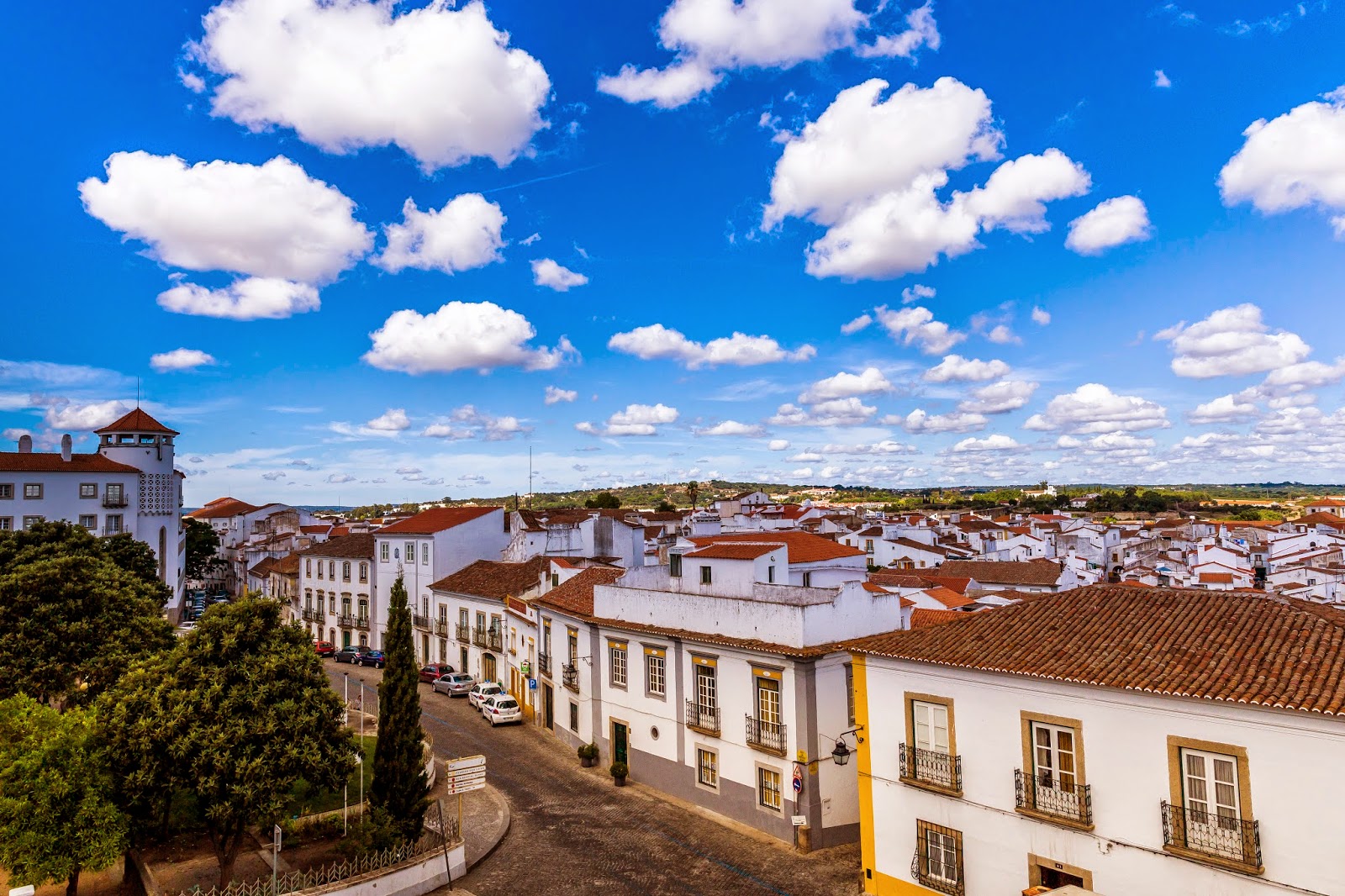
Like the rest of Alentejo, Central Alentejo is known for its rustic and simple architecture, where whitewashed houses with terracotta roofs and tall chimneys prevail.
Many of these rural houses are built on hilltops, being called "montes alentejanos".
Monsaraz Castle, built in 1310 by King Dinis, is today a unique tourist attraction in Portugal, offering an impressive view over Lake Alqueva, the largest artificial lake in Europe.
During the Age of Discovery, Central Alentejo became an important financier of Portuguese sea voyages - thanks to the great wealth generated by the production of wheat, cork and wine.
Today, the region is known for its stunning and extensive landscapes of vineyards, olive groves and golden wheat fields. Its natural beauty and rich history and culture attract visitors from all over the world.
a. Architecture in Central Alentejo
Like the rest of Alentejo, Central Alentejo is known for its rustic and simple architecture, where whitewashed houses with terracotta roofs and tall chimneys prevail.
Many of these rural houses are built on hilltops, being called "montes alentejanos".
Monsaraz Castle, built in 1310 by King Dinis, is today a unique tourist attraction in Portugal, offering an impressive view over Lake Alqueva, the largest artificial lake in Europe.
During the Age of Discovery, Central Alentejo became an important financier of Portuguese sea voyages - thanks to the great wealth generated by the production of wheat, cork and wine.
Today, the region is known for its stunning and extensive landscapes of vineyards, olive groves and golden wheat fields. Its natural beauty and rich history and culture attract visitors from all over the world.
a. Architecture in Central Alentejo
Like the rest of Alentejo, Central Alentejo is known for its rustic and simple architecture, where whitewashed houses with terracotta roofs and tall chimneys prevail.
Many of these rural houses are built on hilltops, being called "montes alentejanos".
Monsaraz Castle, built in 1310 by King Dinis, is today a unique tourist attraction in Portugal, offering an impressive view over Lake Alqueva, the largest artificial lake in Europe.
During the Age of Discovery, Central Alentejo became an important financier of Portuguese sea voyages - thanks to the great wealth generated by the production of wheat, cork and wine.
Today, the region is known for its stunning and extensive landscapes of vineyards, olive groves and golden wheat fields. Its natural beauty and rich history and culture attract visitors from all over the world.
a. Architecture in Central Alentejo
Like the rest of Alentejo, Central Alentejo is known for its rustic and simple architecture, where whitewashed houses with terracotta roofs and tall chimneys prevail.
Many of these rural houses are built on hilltops, being called "montes alentejanos".
Monsaraz Castle, built in 1310 by King Dinis, is today a unique tourist attraction in Portugal, offering an impressive view over Lake Alqueva, the largest artificial lake in Europe.
During the Age of Discovery, Central Alentejo became an important financier of Portuguese sea voyages - thanks to the great wealth generated by the production of wheat, cork and wine.
Today, the region is known for its stunning and extensive landscapes of vineyards, olive groves and golden wheat fields. Its natural beauty and rich history and culture attract visitors from all over the world.
a. Architecture in Central Alentejo
Like the rest of Alentejo, Central Alentejo is known for its rustic and simple architecture, where whitewashed houses with terracotta roofs and tall chimneys prevail.
Many of these rural houses are built on hilltops, being called "montes alentejanos".
Lisbon City Plan
© Casa Nossa - José Avillez
Fun fact: Did you know that the reason they are painted white is because this color helps to reflect the heat of the region's characteristic hot sun?
In addition, Central Alentejo is home to a number of remarkable historic buildings, such as imposing castles and medieval churches and monasteries.
2 - The Central Alentejo region in numbers
The Central Alentejo region comprises 14 municipalities (belonging to the district of Évora): Alandroal, Arraiolos, Borba, Estremoz, Évora, Montemor-o- Novo, Mora, Mourão, Portel, Redondo, Reguengos de Monsaraz, Vendas Novas, Viana do Alentejo and Vila Viçosa.
|
Central Alentejo |
|
|
|
|
|
31 603 |
|
|
|
|
|
|
|
|
|
|
|
|
|
|
|
|
|
|
|
|
|
|
|
|
* (Population aged 65 or over / Population under 15) * 100
** Price Report December 2024 Idealist
*** Price Report December 2024 Idealist
Pastry Shop “A Tentadora” © Universidade Nova de Lisboa
Paragraph
Alfama thus began to lose its importance and, although it wasn't affected by the earthquake, it was left behind.
by the earthquake, it was left abandoned by the central government until the 20th century - being identified
being identified as a dangerous part of the city.
Despite its decadence in the 19th century Alfama saw the emergence of a musical style that is now considered to be an intangible UNESCO intangible heritage - Fado! Born in the streets, bars and prostitution centres of
Alfama, Fado began to be heard at court and gained another kind of prominence.
With the emergence of the fado singer Amália Rodrigues, fado became internationally recognised.
recognised internationally.
Today, Alfama is one of the best known and most visited neighbourhoods in the city. Here
you can feel the neighbourhood life, you can feel the fado, you can feel the essence of Lisbon!
Paragraph
Livramento Market © Município de Setúbal
Templo de Diana
Castelo de Portel, um dos muitos castelos do Alentejo Central © Bernardo Conde
© Apaixonados por viagens
Stationery Shop “A Concorrente” © Universidade Nova de Lisboa
In Campo de Ourique there is quantity and quality. As you walk around the neighborhood, you'll find all kinds of stores - cafés, pastry stores, restaurants, grocery stores and a variety of stores. It is also home to some of the best schools and colleges in the city, such as the "Liceu Pedro Nunes" and the "Salesianos de Lisboa".
Campo de Ourique is very well located, in the center of the triangle formed by Amoreiras, Estrela and Prazeres. Just an 11-minute walk from Amoreiras Shopping Center and a 15-minute walk from Jardim da Estrela.
The famous streetcar 28, which runs through Lisbon's historic neighborhoods, has its last stop here, next to the Prazeres Cemetery.
Several streetcars and buses pass through the streets of Campo de Ourique throughout the day. In three years' time, the neighborhood will also have a metro station.
Foto: flickr | @abz.rec
3 - Why choose to live in Central Alentejo?
From the natural beauty to the quality of life on offer, there are many reasons why people choose to live in this area.
The region is characterized by vast golden plains and extensive agricultural fields, punctuated by charming picturesque villages where tranquillity and a relaxed pace of life can be felt.
The locals are known for their great hospitality and strong ties to their cultural roots. In fact, Central Alentejo is a region rich in traditions - the carpets of Arraiolos, the rattles of Reguengos de Monsaraz and the dolls of Estremoz (UNESCO Intangible Cultural Heritage of Humanity) are just a few examples.
In addition, Central Alentejo has an important architectural heritage, with medieval castles, ancient churches and fascinating archaeological sites. The city of Évora, for example, a UNESCO World Heritage Site, offers stunning architecture such as Évora Cathedral, the Roman Temple of Diana and the Chapel of Bones.
Central Alentejo is also known for its traditional gastronomy, with delicacies such as Évora Cheese, Arraiolos Bacon Pastries, Montemor-o-Novo “Cernelha” and Mora's “Queijinhos do Céu”. The wines of Central Alentejo are equally renowned, and many wineries are open for visits and tastings.
What to see and do in Central Alentejo?
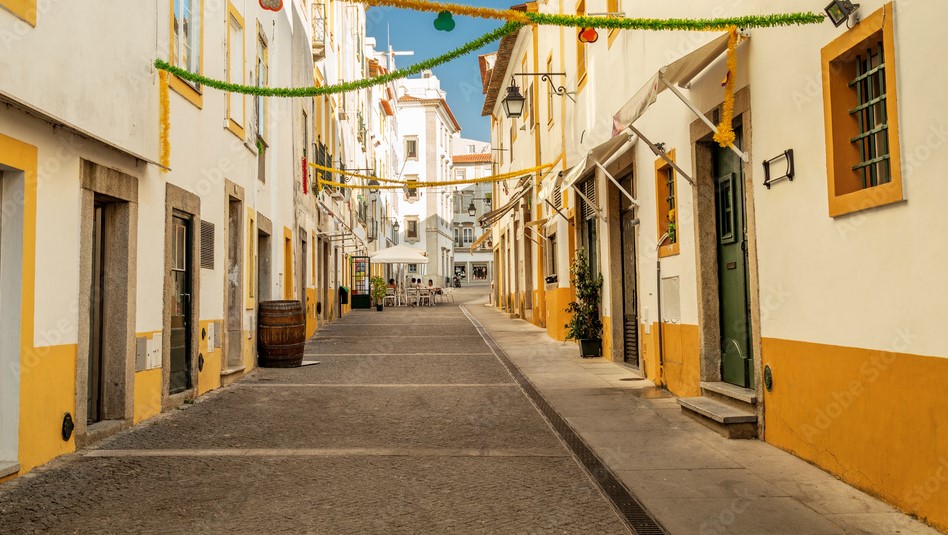
Évora's historic center has been listed by UNESCO as a World Heritage Site since 1986. The city is a veritable open museum, full of monuments and well-preserved buildings that tell the story of its rich history. Among the most emblematic are the Temple of Diana, Évora Cathedral and the Chapel of Bones. A great starting point for exploring the region is Praça do Giraldo, the lively and ever-beating heart of Évora. In this square, you'll find many cafés, restaurants and traditional stores. A true paradise for lovers of history, architecture, culture and gastronomy!
Évora's historic center
Évora's historic center

@visitsetubal
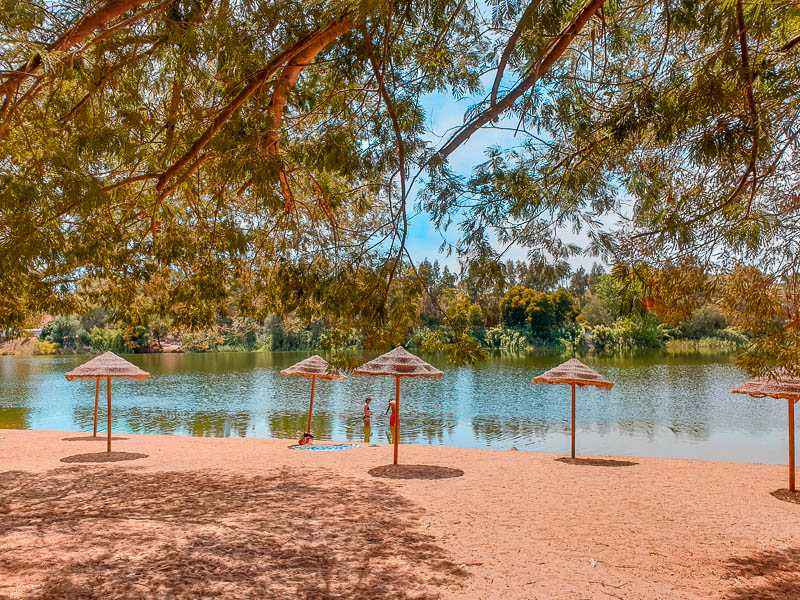
Blessed with lush, unspoiled natural scenery, the municipality of Mora hides a special treasure in the parish of Cabeção - the Gameiro Ecological Park. Located just a few kilometers from the town of Mora, this ecological paradise offers an incomparable experience with nature, with a diverse range of attractions and infrastructures available:
- River beach;
- Camping site;
- Picnic area;
- Children's playground;
- Playing fields;
- Nautical Club;
- Arborist Park and
- One of Europe's largest aquariums dedicated to freshwater ecosystems, the "Fluviário de Mora".
In addition, the park is known for being home to the "Passadiço do Gameiro", a 1.5km wooden walkway that runs through a wild area and promises idyllic riverside views.
Discovering nature in Mora
Discovering nature in Mora
@amoreiras360view
©vagamundos_pt
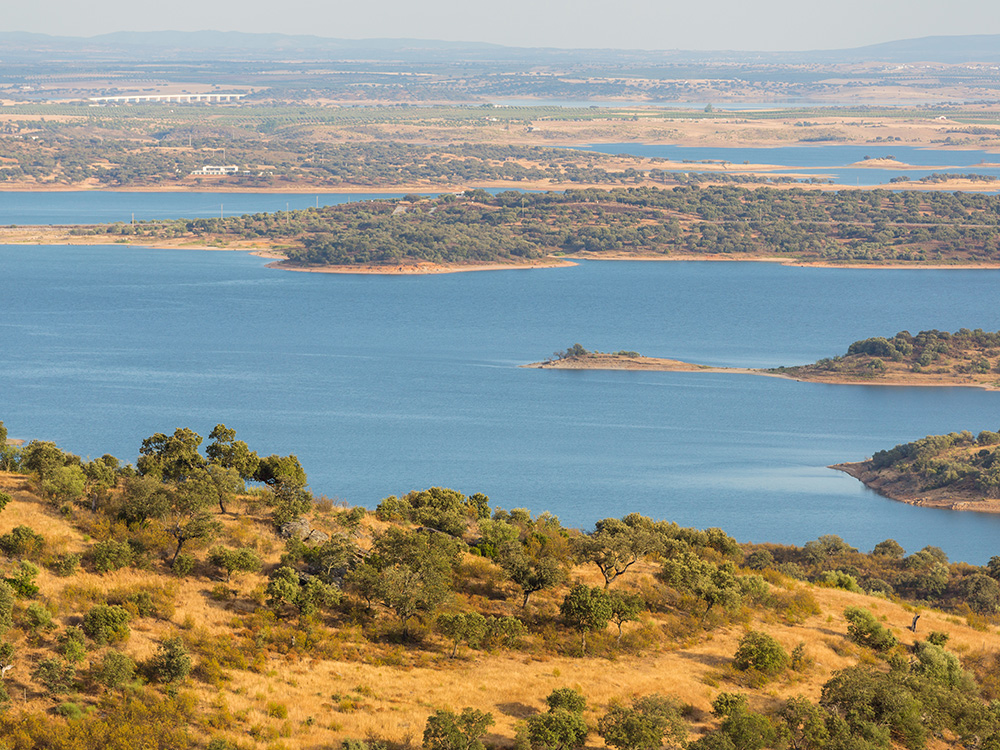
Alqueva Lake is the largest artificial lake in Western Europe (250km2) and one of Portugal's many natural wonders. With a vast expanse of serene waters, stunning landscapes and a variety of exciting activities, the Alqueva Lake attracts tourists from all over the world every year. One of the main attractions is the Alqueva Lake Observatory (OLA), recognized as the world's first Dark Sky reserve. Located in a privileged area, where the darkness of the night is punctuated only by the light of the stars and the moon, the OLA offers visitors the ideal conditions to admire the beauty of the night sky. Observation sessions take place from Tuesday to Saturday and are guided by experts who share all their knowledge about the universe and its wonders. During these sessions you can explore stars, planets, nebulae and distant galaxies. Book your visit to the observatory here: Dark Sky Alqueva | Observatório Oficial Dark Sky Alqueva
Alqueva Lake
Alqueva Lake
© Turismo Alentejo
Where to eat and drink:
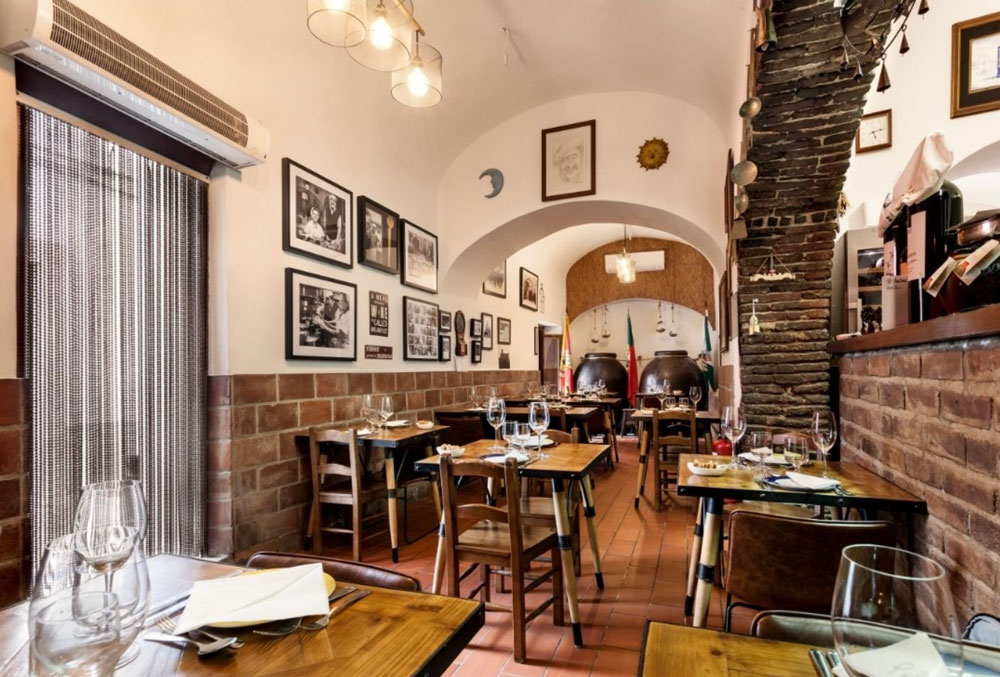
Located in the historic center of Évora, this typical Alentejo house is known (and renowned) for its innovative concept. Unlike most restaurants, there is no menu at Taberna Típica Quarta-Feira - the chef puts whatever he wants on the table, with the guarantee that you'll leave here wanting to come back! For the more curious, we can tell you that the food here is homemade and very Portuguese, based on traditional Alentejo delicacies. Bring your adventurous spirit and come and enjoy a meal at this family-run restaurant, where every dish is a "surprise"! Tip: We recommend booking in advance.
Average price 25€ - 35€
Opening hours
12h30 - 14h30 / 19h30 - 21h00
(Closed on Mondays and Sundays)
Located in the historic center of Évora, this typical Alentejo house is known (and renowned) for its innovative concept. Unlike most restaurants, there is no menu at Taberna Típica Quarta-Feira - the chef puts whatever he wants on the table, with the guarantee that you'll leave here wanting to come back! For the more curious, we can tell you that the food here is homemade and very Portuguese, based on traditional Alentejo delicacies. Bring your adventurous spirit and come and enjoy a meal at this family-run restaurant, where every dish is a "surprise"! Tip: We recommend booking in advance.
Average price 25€ - 35€
Opening hours
12h30 - 14h30 / 19h30 - 21h00
(Closed on Mondays and Sundays)
Located in the historic center of Évora, this typical Alentejo house is known (and renowned) for its innovative concept. Unlike most restaurants, there is no menu at Taberna Típica Quarta-Feira - the chef puts whatever he wants on the table, with the guarantee that you'll leave here wanting to come back! For the more curious, we can tell you that the food here is homemade and very Portuguese, based on traditional Alentejo delicacies. Bring your adventurous spirit and come and enjoy a meal at this family-run restaurant, where every dish is a "surprise"! Tip: We recommend booking in advance.
Average price 25€ - 35€
Opening hours
12h30 - 14h30 / 19h30 - 21h00
(Closed on Mondays and Sundays)
Taberna Típica Quarta-Feira, in Évora
Taberna Típica Quarta-Feira, in Évora
©Taberna Típica Quarta-feira
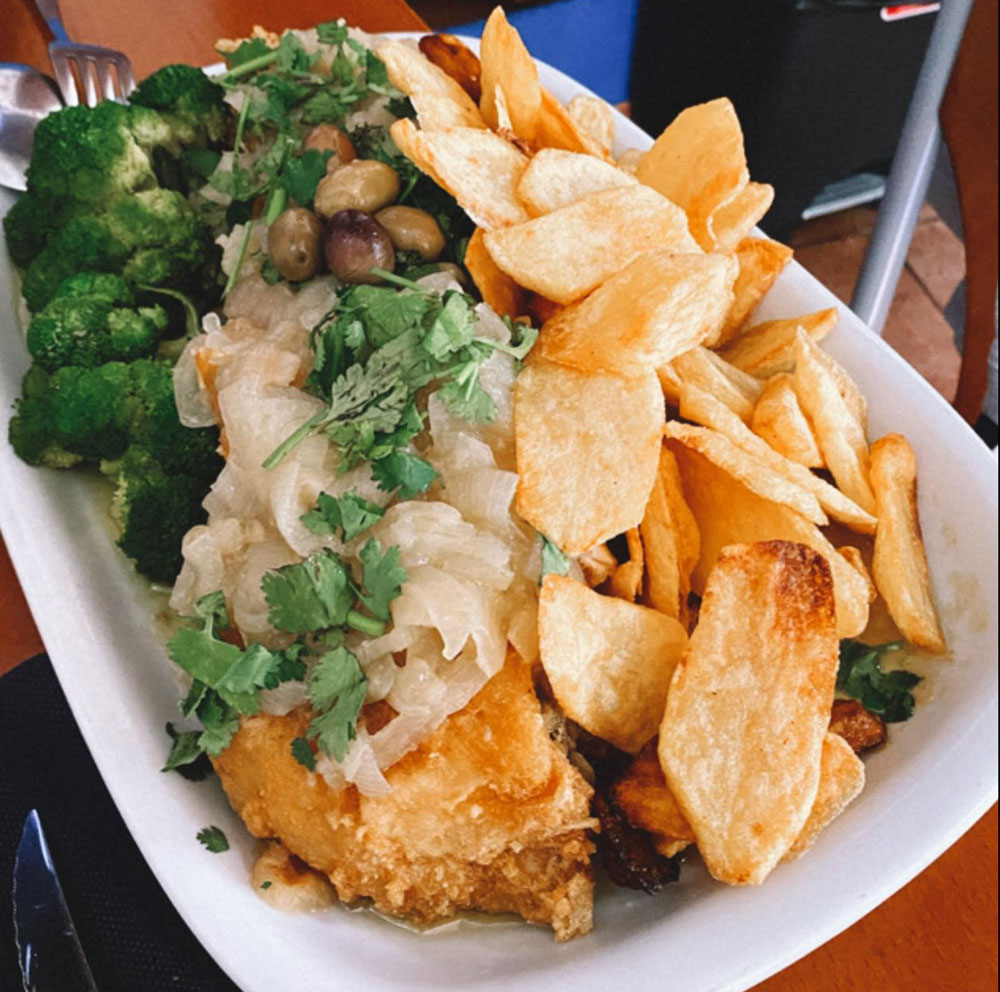
Venda Azul is a cozy, family-run restaurant that is a must in Estremoz. Known for serving quality Alentejo food in very generous proportions, this small restaurant has won the hearts of all its visitors. On the menu you can find black pork, codfish, “migas” and much more! It's a Portuguese house, for sure!
Average price 15€
Opening hours
From 08h00 to 00h00 (Closed on Mondays and Sundays)
Venda Azul is a cozy, family-run restaurant that is a must in Estremoz. Known for serving quality Alentejo food in very generous proportions, this small restaurant has won the hearts of all its visitors. On the menu you can find black pork, codfish, “migas” and much more! It's a Portuguese house, for sure!
Average price 15€
Opening hours
From 08h00 to 00h00 (Closed on Mondays and Sundays)
Venda Azul is a cozy, family-run restaurant that is a must in Estremoz. Known for serving quality Alentejo food in very generous proportions, this small restaurant has won the hearts of all its visitors. On the menu you can find black pork, codfish, “migas” and much more! It's a Portuguese house, for sure!
Average price 15€
Opening hours
From 08h00 to 00h00 (Closed on Mondays and Sundays)
Venda Azul is a cozy, family-run restaurant that is a must in Estremoz. Known for serving quality Alentejo food in very generous proportions, this small restaurant has won the hearts of all its visitors. On the menu you can find black pork, codfish, “migas” and much more! It's a Portuguese house, for sure!
Average price 15€
Opening hours
From 08h00 to 00h00 (Closed on Mondays and Sundays)
Venda Azul, in Estremoz
Venda Azul, in Estremoz
©Venda Azul
Pátio dos Petiscos is a traditional cuisine and snack restaurant located in the city of Montemor-o-Novo. Here you'll find varied (and high-quality) snacks such as “peixinhos da horta” with green asparagus, eryngi mushrooms on the griddle with a sprinkle of coriander and tomato and poached egg puff pastry. As with the appetizers, the main dishes are based on Alentejo tradition combined with modernity - codfish confit with clam “açorda” and Alentejo black pork cheeks with mint “migas” are two examples. At Pátio dos Petiscos, weekends are themed with entertainment and live music.
Average price 30€
Opening hours
Regular hours: 12h30 - 15h00 / 19h30 - 23h00
Wednesday and Sunday: 12h30 - 15h00
(Closed on Thursdays)
Pátio dos Petiscos, in Montemor-o-Novo
Pátio dos Petiscos, in Montemor-o-Novo
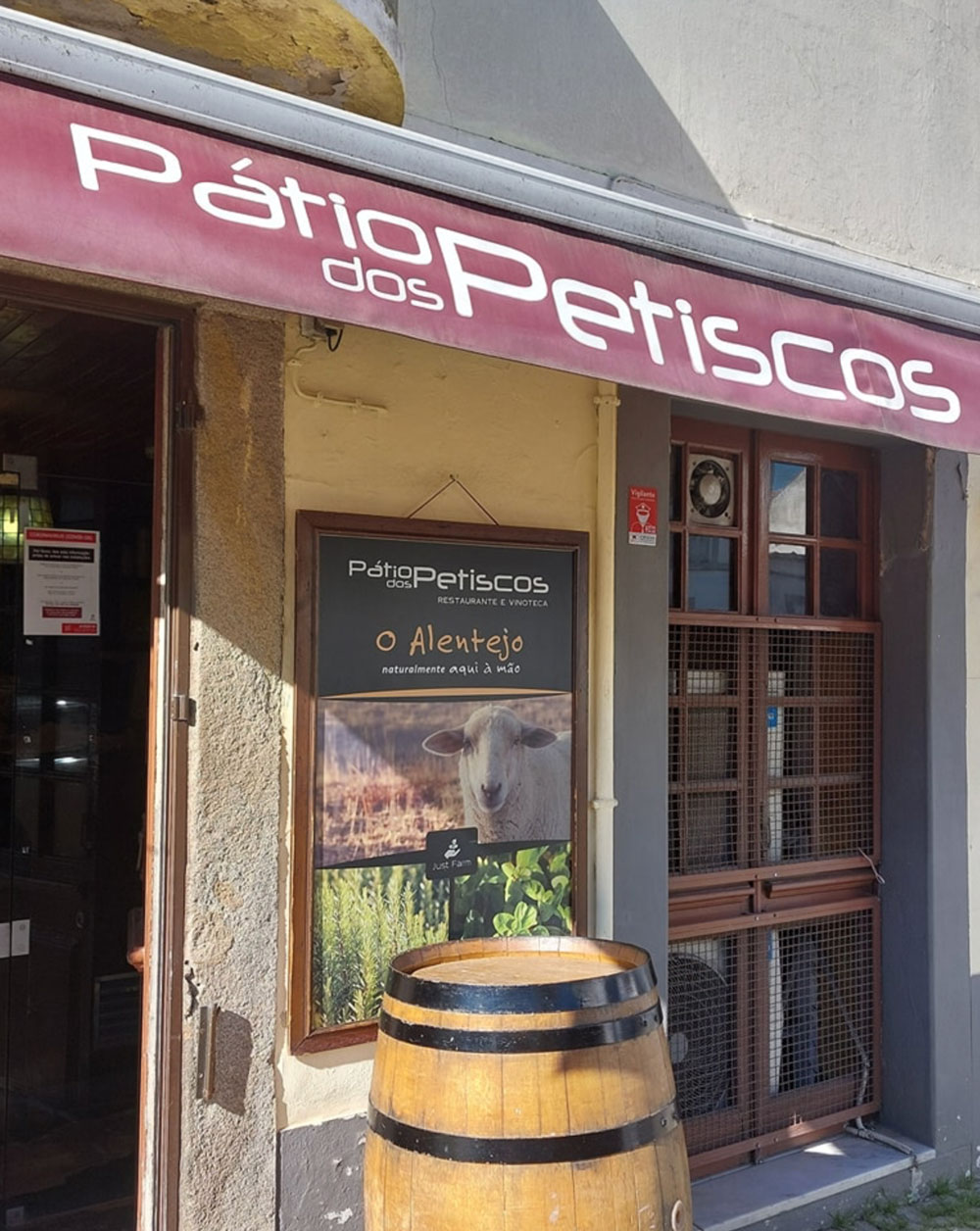
©Pátio dos Petiscos
Buyer testimonials
Buyer testimonials
“We bought a flat through De Brito Properties several months ago and they have always helped us with the work, the contracts, the procedures (quickly and reliably). They have become our point of reference in Portugal and help us with all our questions. We congratulate ourselves every day for having gone through them for our purchase in Lisbon.”
Isabelle Sebah
“We bought a flat several months ago from De Brito and we were always helped with the works, the electricity, the various stages. It really is the ideal agency for a long-term property transaction!”
Florence Crisanto
"Very good experience. Very professional and reliable agency, and even more so because they helped us every step of the way, a great advantage, especially when you don't speak the language. Thanks to the whole team for their availability and friendliness."
Véronica L.
“My husband and I had great help buying a house in Azeitão. Titti Curtaz was attentive, professional, friendly and truly listened to our needs and concerns as we tried to find the right house for us. She was generous and patient. Our Portuguese is very basic and she graciously helped us translate the information between the seller and us. I highly recommend her and De Brito Properties”
Christina S.
"Professional, serious and attentive team. Very good service and good products. Ideal accompaniment!"
Jean Louis D.
"Quality service that listens to the customer. Thank you very much for helping us with our purchase and installation in Lisbon."
Bernardette Fernandes
See our selection of properties in Central Alentejo
See our selection of properties in Central Alentejo
We are your "Property Finder"
We are your "Property Finder"
Didn't find the property you're looking for on our website? Leave us your criteria and we will search the market and prepare a selection that suits your request.

